
Pests
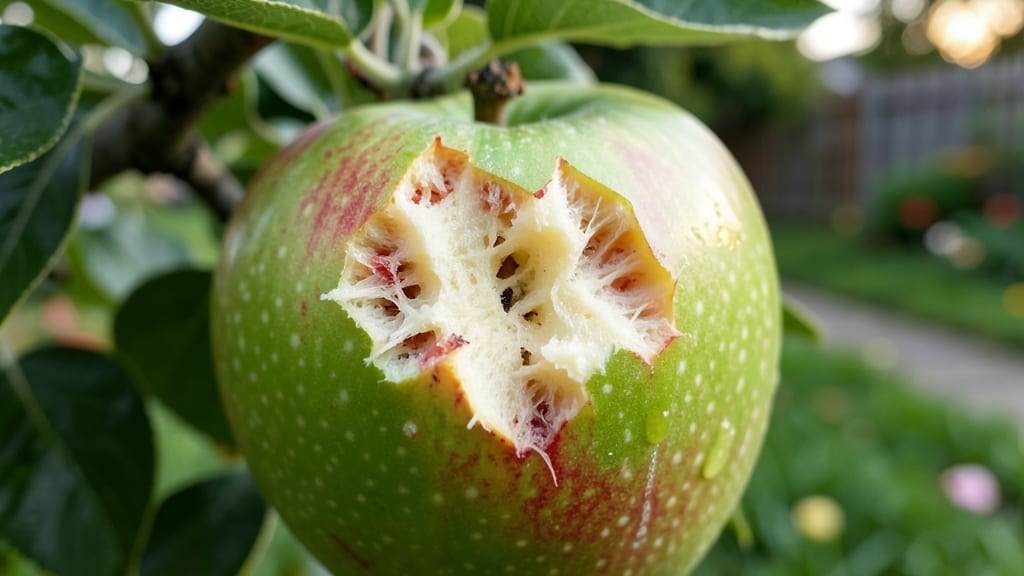
Squirrel bite marks on fruit mean your harvest is disappearing before it ripens—those tiny, jagged holes are the calling card of hungry tree squirrels. 🌰 I’ve watched entire bushels of peaches and blueberries vanish overnight, leaving behind just the pits and a trail of frustration.
The good news? With the right strategies, you can protect your crop without harming these clever critters.
Start with fine mesh netting (¼-inch or smaller) draped over trees before fruit sets—squirrels can’t chew through it, and it stays in place even in wind. For ground-level berries, try wire cages or plastic containers with lids.
If you prefer chemical-free options, hot pepper spray (mixed with water and dish soap) or predator urine (fox or coyote) can deter them, though results vary by squirrel persistence.
You’ll see a dramatic drop in damage within 2-3 weeks of consistent protection. The key is combining physical barriers with scent deterrents—squirrels learn fast, so rotate methods if they adapt. Plus, your fruit will stay blemish-free, making it perfect for fresh eating or market sales.
Works for apples, peaches, berries, grapes, and even stored nuts. The best part? These methods keep squirrels alive while saving your hard-earned harvest. Let’s get started before next season’s fruit disappears!
📚 In This Guide
- What you need
- Instructions
- Tips and common mistakes
- Wrapping up and next steps
What you need
- ● 1–2 rolls of wire mesh (½-inch or smaller mesh size) – Enough to cover fruit trees or vulnerable areas.
- ● Heavy-duty zip ties or staples – To secure mesh tightly around branches or containers.
- ● Spray bottle (8–16 oz) – For applying deterrent sprays.
- ● Hot pepper spray or commercial squirrel repellent – Look for capsaicin-based or predator urine options.
- ● Plastic or metal storage bins with lids – For storing ripe fruit indoors or in secure containers.
- ● Pruning shears – To trim overripe or damaged fruit that attracts squirrels.
- ○ Reflective tape or old CDs – Optional but effective for scaring squirrels away.
- ● Motion-activated sprinklers – Startles squirrels with a sudden water spray.
- ● Ultrasonic repellent devices – Emits high-frequency sounds to deter pests.
- ● Bird netting (fine mesh) – Alternative to wire mesh for delicate fruit trees.
- ● Squirrel-proof fruit cages – Pre-made solutions for small gardens.
How to protect your fruit from squirrel bite marks
Squirrels turn your garden's bounty into free snacks faster than you can say "harvest." Here's how to outsmart them before they ruin another season's fruit.
🌱 Step 1: Assess the Damage and Identify Hotspots
Start by examining your fruit trees and bushes for bite marks—look for clean, half-moon-shaped punctures or entire fruits missing. Squirrels target soft-skinned fruits like peaches, plums, and grapes first, but they'll move on to apples and pears when those ripen. Note which branches they're hitting most often; these are your priority areas.
Check the ground below the trees for dropped fruit or chewed husks—this tells you where squirrels are most active. I like to mark these spots with small flags or chalk so I can focus my defenses there. The key is acting fast; once squirrels find an easy food source, they'll return daily until the fruit is gone.
🪴 Step 2: Install Physical Barriers Before Fruit Ripes
For small trees or bushes, wrap the trunks with 18-inch-wide hardware cloth (not chicken wire—squirrels can chew through it). Secure it tightly with zip ties or wire, extending the barrier 4-6 inches outward from the trunk to prevent squirrels from jumping over it. This creates a "cage" around the lower fruit-bearing branches.
For larger trees, focus on individual branches. Drape lightweight netting (like 1/2-inch mesh fruit netting) over clusters of fruit, securing it with clothespins or soft ties. Avoid plastic netting—it can trap heat and damage fruit. I test the netting by shaking branches; if fruit can rattle through, the mesh isn't fine enough.
✂️ Step 3: Use Repellents Strategically (But Sparingly)
Commercial squirrel repellents like hot pepper wax or granular repellents with capsaicin can work, but squirrels often adapt. I find the most success with homemade sprays—mix 1 tablespoon cayenne pepper, 1 tablespoon dish soap, and 1 gallon water, then spray lightly on fruit clusters. Reapply every 3-4 days or after rain, but avoid spraying when bees are active.
Place motion-activated sprinklers (like ScareCrow) near high-traffic areas. The sudden burst of water startles squirrels without harming them. I position mine 3-4 feet above ground and test by waving a stick—if it doesn't trigger, adjust the sensitivity. The goal is to make your garden feel like a high-risk snack zone.
🌿 Step 4: Remove Attractants and Secure Alternatives
Squirrels target ripe fruit, so pick overripe or fallen fruit daily and compost it far from your trees. Store harvested fruit indoors immediately—even a single dropped apple can lure squirrels back. I also hang squirrel feeders filled with unsalted peanuts or corn at least 50 feet away from your fruit trees to give them an easier, less destructive option.
If you have bird feeders, switch to squirrel-resistant designs with baffles or use mesh cages around feeders. Squirrels are clever, but they won't bother climbing if they can't reach the food. I place feeders on pole mounts 10 feet high with a 12-inch baffle below—this keeps squirrels out while birds can still access seed.
⏰ Step 5: Monitor and Adjust Defenses Weekly
Check your barriers and repellents every 5-7 days, especially after rain or wind. Squirrels may chew through weak spots or find gaps in netting. I keep a small notebook near my garden tools to track damage—note which fruits are still being targeted and adjust defenses accordingly. For example, if grapes are still getting hit, add extra netting even if apples are now safe.
If you notice squirrels becoming bolder, rotate repellents—switch from pepper spray to ultrasonic devices or vice versa. Squirrels rarely develop resistance to physical barriers, so prioritize those. The moment you see bite marks again, reinforce the weakest link in your defense system. Consistency is key; one missed day can undo weeks of progress.
Tips & tricks for protecting your fruit from squirrel damage
A few strategic moves can turn your garden from a squirrel buffet into a fortress. Here’s how to maximize your defenses without losing your sanity.
Timing is Everything: Start your defenses before fruit ripens—squirrels scout early and won’t hesitate once they spot their next meal. I’ve seen entire peach crops vanish in 48 hours once squirrels discover them. Mark your calendar 2-3 weeks before harvest to install barriers and repellents, especially for soft-skinned fruits like berries and plums. The earlier you act, the less cleanup you’ll face later.
Barrier Reinforcement: When wrapping trunks with 18-inch-wide hardware cloth, overlap the edges by 2-3 inches and secure with heavy-duty zip ties—squirrels are surprisingly strong and can pry loose flimsy fasteners. For branches, use 1/2-inch mesh netting (not the cheaper 3/4-inch variety), and double-check by shaking clusters; if fruit moves, the mesh isn’t tight enough. I’ve lost grapes twice to gaps in netting, so test rigorously.
Repellent Rotation: Squirrels adapt quickly to single repellents, so rotate methods every 7-10 days. After the initial 3-4 days of pepper spray, switch to motion-activated sprinklers or ultrasonic devices. I keep a log of which repellents work best for my local squirrels—some ignore cayenne entirely but hate the sound of ultrasonic emitters. The key is unpredictability; if they can’t figure out your pattern, they’ll give up and move on.
Distraction Strategy: Place squirrel feeders 50+ feet away from fruit trees, but make them irresistible. Unsalted peanuts or corn work best—squirrels prefer these over your fruit if given the chance. I’ve had success with hanging feeders 10 feet high with a 12-inch baffle below; it’s a small investment that saves entire harvests. The goal is to make your garden feel like a high-risk zone, not an all-you-can-eat buffet.
Pro Tips for Squirrel Bite Marks On Fruit
- A few strategic moves can turn your garden from a squirrel buffet into a fortress.
- Timing is Everything: Start your defenses before fruit ripens—squirrels scout early and won’t hesitate once they spot their next meal.
- Barrier Reinforcement: When wrapping trunks with 18-inch-wide hardware cloth, overlap the edges by 2-3 inches and secure with heavy-duty zip ties—squirrels are surprisingly strong and can pry loose flimsy fasteners.
Frequently asked questions
Got questions about those pesky squirrel bite marks on your fruit? You’re not alone!
Here are some common concerns—and quick, actionable answers to help you protect your harvest.
What do squirrel bite marks on fruit actually look like?
Squirrel bite marks are usually clean, jagged holes (not chew marks) or half-eaten fruit with a messy, gnawed texture. Unlike insects, squirrels often leave behind scattered fruit debris or even droppings nearby. If you spot these, act fast—they’ll return!
How quickly can squirrels ruin a fruit tree or garden?
Squirrels are fast and opportunistic—they can strip a tree of ripe fruit in just 1-2 nights! Thin-skinned fruits like peaches, cherries, and grapes are especially vulnerable. Monitor your trees daily during harvest season (late summer/fall) to catch them early.
Are there humane ways to keep squirrels off my fruit?
Try these squirrel-repelling tricks:
- Netting: Cover trees/fruit with fine mesh netting (like bird netting) before harvest.
- Spices: Sprinkle cayenne pepper, garlic powder, or crushed red pepper around plants (reapply after rain).
- Motion-activated sprinklers: Startle them with a gentle water spray when they approach.
- Decoys: Place fake owls or rubber snakes near problem areas (move them often to stay effective).
Pro tip: Avoid poison—it’s inhumane and can harm pets/wildlife.
Can I still eat fruit with squirrel bite marks?
If the outer skin is intact (no deep punctures), you can wash and peel the fruit to remove contamination. However, discard heavily bitten fruit—squirrels can carry salmonella or parasites from their droppings. When in doubt, toss it!
What if squirrels keep coming back after I’ve tried deterrents?
Persistence is key! Squirrels are highly intelligent and may need multiple repellent methods to learn to avoid your garden. Try:
- Combining physical barriers (netting) with scents (spices).
- Harvesting fruit earlier (before it fully ripens) to reduce temptation.
- Using ultrasonic repellents (though results vary).
If all else fails, consider planting squirrel-resistant varieties (e.g., thorny apples or bitter melons) or relocating problem trees farther from your home.
Wrapping up and next steps
Squirrel bite marks on your fruit aren’t just annoying—they can waste your harvest and invite bigger pests.
But with the right strategies—like repelling squirrels, securing fruit, and cleaning up debris—you can protect your garden with ease. 🌱 The key is consistency: act fast, stay vigilant, and don’t let those bushy-tailed troublemakers turn your hard work into a snack!
Ready to reclaim your garden? Start by implementing just one tip from this guide today—whether it’s hanging netting, using peppermint oil, or storing fruit properly. Small steps make a big difference! 🚀