
Trees
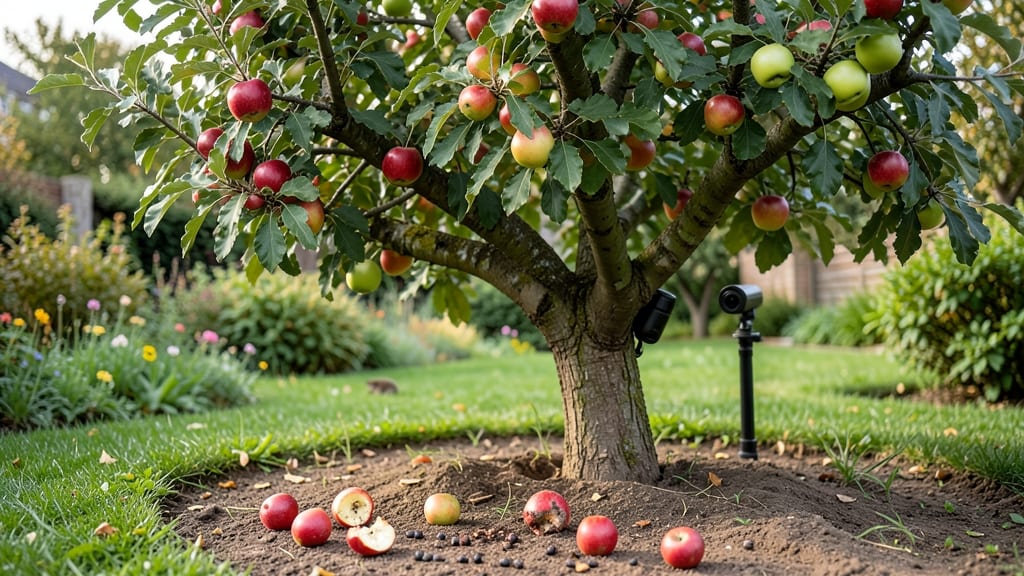
Fruit trees attract rats because fallen fruit, seeds, and sugary sap create irresistible food sources that trigger foraging instincts in rodents. Their persistent chewing can weaken tree structures and spread disease, while rotting produce only worsens the problem. Simple preventive measures like regular cleanup and targeted repellents can effectively reduce these risks.
Rats are drawn to fruit trees primarily because of the high-sugar content in fallen fruit and sap, which acts like a natural attractant. 🐀 Unlike other pests that target specific trees, rats are opportunistic feeders—they'll exploit any easy food source, especially during fall and winter when natural food is scarce.
Citrus trees, for example, pose higher risks than apple trees because their thick peels take longer to decompose, lingering as a food source for weeks. The combination of accessible food and shelter opportunities (like dense foliage or nearby debris piles) creates the perfect conditions for rat infestations.
What makes this particularly problematic is how quickly rats can establish territories. A single rat can gnaw through bark, creating entry points for diseases that weaken tree health. The solution isn't just about removing fruit—it's about disrupting their entire ecosystem.
Regular pruning to reduce fallen fruit, combined with natural deterrents like peppermint oil or crushed garlic cloves, can make your yard less appealing while being completely safe for your trees.
💡 In This Article
- Why Fruit Trees Are Rodent Magnets
- Natural Ways to Keep Rats Away from Fruit Trees
Why fruit trees are rodent magnets
Rats are hardwired to seek out high-calorie, easy-to-access food sources, and fruit trees provide both in abundance. The sugars in fallen fruit—especially in varieties like apples, pears, and citrus—act as a natural attractant, releasing volatile organic compounds that rats can detect from up to 30 feet away.
These compounds mimic the scent of ripe, fermenting fruit, which triggers their foraging instincts. 🔥 The problem worsens with citrus trees because their thick, waxy peels resist decomposition, leaving a smorgasbord on the ground for weeks.
Seasonality plays a critical role in rat activity. During fall and winter, when natural food sources dwindle, rats become more aggressive in their search for sustenance. A single overripe apple can contain 15-20 grams of sugar, enough to sustain a rat for a full day.
The oils in fruit peels also create a sticky residue that rats lick clean, further encouraging them to return. Even the sap oozing from pruning wounds becomes a magnet—its sweet, sticky nature is irresistible to rodents.
Tree species vary dramatically in risk levels. Citrus trees, for instance, pose a higher threat than apple trees because their fruit stays intact longer, while apple varieties like Granny Smith decompose faster but attract rats during their peak ripening season (late summer to early fall).
The texture of the fruit matters too—soft fruits like peaches create a mess that rats will dig through, while firmer fruits like pears may roll away but leave behind a trail of seeds that sprouts into new food sources.
Rats exploit more than just food—they use fallen leaves, mulch piles, and dense foliage as nesting materials. A single rat can create a network of runways through your yard, using tree trunks as highways to access both food and shelter.
Their gnawing habits don't just damage bark (creating entry points for pests and diseases) but can also sever roots, weakening the tree's structural integrity over time.
What most people overlook is how rats learn from each other. A single rat finding a food source will leave scent markers for its colony, turning your yard into a communal dining area.
This is why you might notice rat activity increasing suddenly—it's not just one rat, but an entire colony responding to the food signal. 💫 The key to prevention lies in breaking this cycle before it starts.
Consider this: A study from the University of California found that yards with fruit trees had 40% higher rat activity during harvest seasons compared to those without. The combination of food availability, shelter opportunities, and social reinforcement creates an almost irresistible environment for rodents.
Understanding these triggers is the first step in developing effective deterrent strategies.