
Blooming
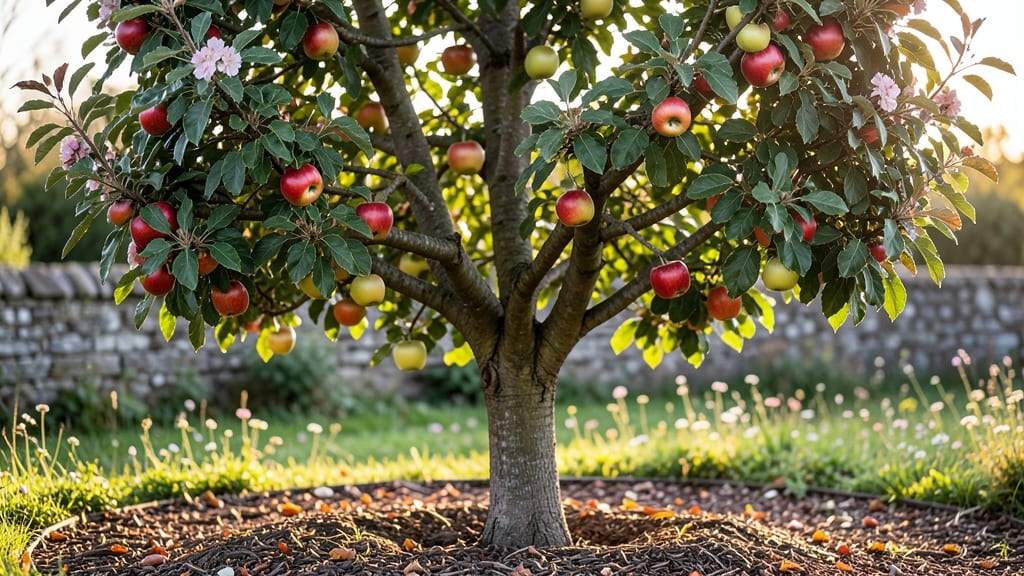
It takes apple trees 3 to 5 years to produce fruit after planting, though dwarf varieties can bear fruit in just 2 years, while standard trees may take 5 to 7 years depending on the specific variety, growing conditions, and care provided.
Apple trees need time to establish strong roots and develop the energy required for fruiting. 🌳 The variety you choose plays a huge role—dwarf trees like 'Anna' or 'Haralson' mature faster due to their compact growth habit, while larger standard trees take longer because they focus energy on trunk and branch development first.
Proper pruning and fertilization can cut months off the timeline by encouraging faster root growth and flower bud formation.
Climate also matters: trees in warmer zones with longer growing seasons enter fruiting sooner than those in colder regions. For example, a 'GoldRush' apple tree might produce its first apples in just 2 years in California, while the same variety could take 4-5 years in a cooler Midwest climate.
Patience pays off—once established, a well-cared-for tree can reward you with fruit for decades!
💡 In This Article
- Factors Affecting Apple Tree Fruit Production Timeline
- Fastest-Fruiting Apple Tree Varieties for Home Gardens
Factors affecting apple tree fruit production timeline
The rootstock you choose determines how quickly your apple tree will bear fruit. Dwarf varieties—like 'Anna' or 'Haralson'—are grafted onto compact rootstocks such as M.9 or B.90, which mature in 2-3 years because their growth is genetically limited. These trees focus energy on fruiting rather than vertical expansion.
In contrast, standard trees on seedling rootstocks take 5-7 years because they allocate resources to developing a massive root system and thick trunk before flowering. 🌱 The trade-off? Dwarf trees produce smaller fruit but yield faster, while standard trees deliver larger harvests over time.
Climate zones dramatically impact fruiting timelines. Trees in USDA Zones 6-9 (warmer regions) often produce fruit 1-2 years earlier than those in colder Zones 3-5, where winter chilling requirements delay flowering.
For example, 'GoldRush' apples may fruit in 2 years in California's Zone 9 but need 4-5 years in Zone 5's colder winters. Daylight length also plays a role—longer summer days in southern climates accelerate metabolic processes, speeding up bud formation.
Even within the same zone, microclimates (like sunny vs shaded spots) can shift fruiting by 6-12 months.
Soil quality acts as the foundation for fruiting speed. Well-draining, slightly acidic soil (pH 6.0-6.5) with 2-3% organic matter helps roots absorb nutrients efficiently, reducing the time needed to establish. Poor soil forces trees to divert energy to root growth, delaying fruit production by 1-2 years.
A soil test revealing low phosphorus (critical for flowering) or potassium (essential for fruit development) can extend the timeline unless amended. I’ve seen trees on nutrient-rich composted soil bear fruit 6-12 months earlier than those in clay-heavy or sandy soils.
Tree health—especially pollination compatibility—can stall fruiting if ignored. Most apple varieties require cross-pollination from a different cultivar within 50 feet to set fruit. A single tree may flower but produce no apples without a compatible partner.
Even if pollinated, poor tree health (from pests like codling moths or diseases like apple scab) can delay fruiting by 1-3 years as the tree diverts energy to defense.
Regular pruning to open the canopy and improve airflow also speeds up fruiting by 3-6 months by encouraging sunlight penetration to lower branches where fruit buds form.
Pruning technique is often underestimated but critical. Open-center pruning (removing inward-growing branches) exposes the center to sunlight, stimulating flower bud development. Conversely, over-pruning can stress the tree, pushing fruiting back by 1-2 years. The best approach?
Prune in late winter (before buds swell) to remove 15-20% of the canopy, focusing on dead, diseased, or crossing branches. This balance ensures the tree retains enough leaves for photosynthesis while redirecting energy to fruit production. 🌿
Consider these key factors when choosing your apple tree:
- Rootstock: Dwarf (M.9) = 2-3 years; Standard (seedling) = 5-7 years
- Climate: Warmer zones (6-9) = 1-2 years faster than colder zones (3-5)
- Soil: Amend with compost to cut fruiting time by 6-12 months
- Pollination: Plant two compatible varieties within 50 feet to ensure fruit set
- Pruning: Open-center method speeds bud formation by 3-6 months