
Tools
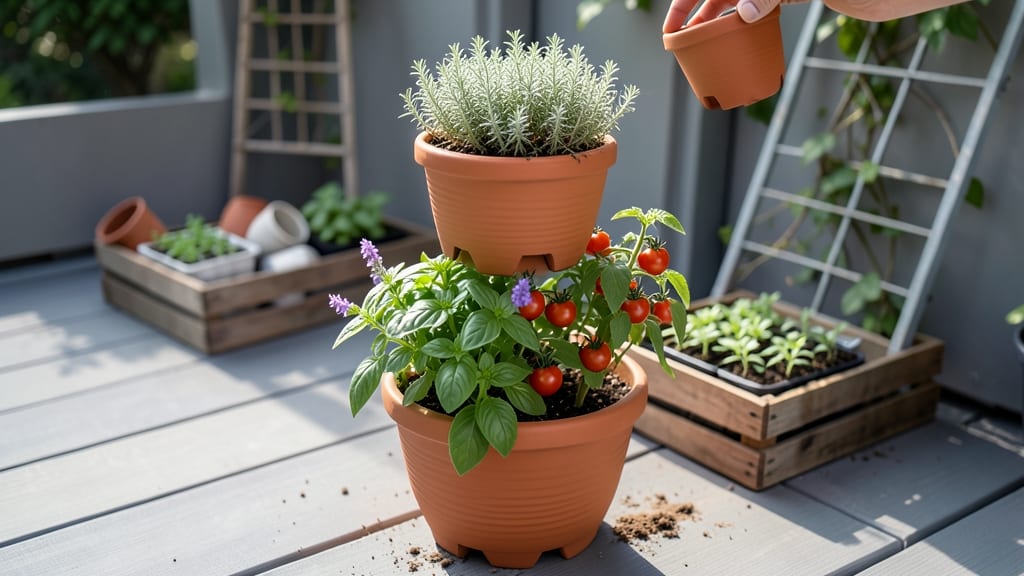
Maximize your garden’s potential with these 10 innovative small garden bed ideas. Perfect for urban balconies, patios, or tight yards, these layouts help you grow more food in less space—without sacrificing beauty or productivity.
Vertical Hanging Pocket Planters
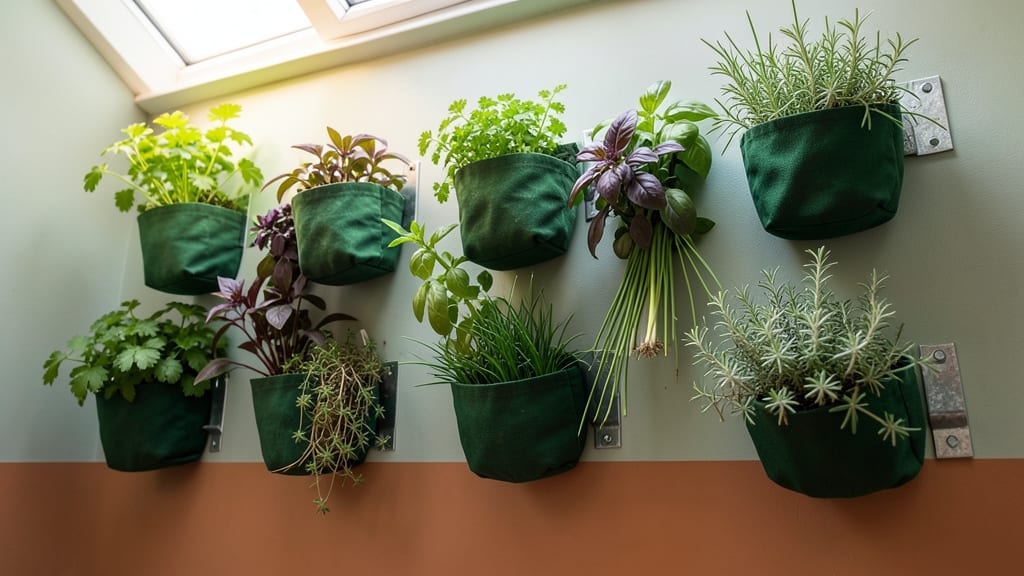
Turn your blank walls into a thriving herb garden with vertical hanging pocket planters—the ultimate space-saving solution for renters and small-space gardeners. These wall-mounted pockets transform unused vertical space into a lush, edible display while keeping your floor clear for other activities.
Choose fabric or felt pockets (12-18 inches deep) to grow basil, mint, parsley, or leafy greens like lettuce and spinach. Mount them on a sturdy trellis or wall bracket, ensuring each pocket gets at least 4-6 hours of sunlight daily. Water from the top to avoid soggy soil, and fertilize every 2-3 weeks for maximum growth—perfect for fast-growing herbs that thrive in shallow roots.
This setup is ideal for urban balconies, kitchen walls, or patio railings, giving you instant access to fresh herbs while adding a vibrant, green aesthetic. Renters will love how easily these can be installed and removed without permanent damage. 🌿
Square Foot Gardening Grid
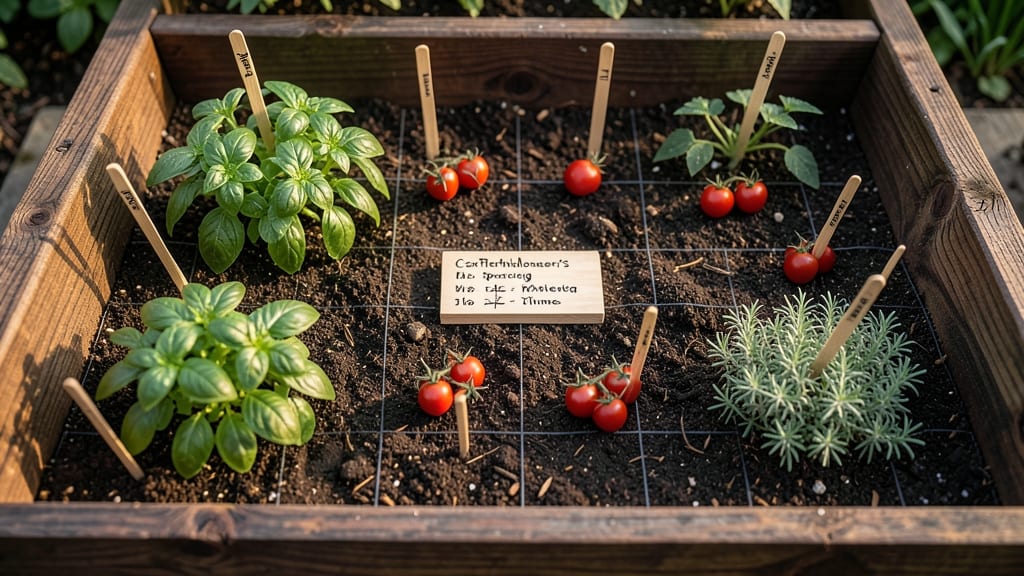
Tired of guessing how many plants fit in your small bed? The square foot gardening grid turns chaos into precision by dividing your space into neat 1-foot squares—each designed for specific crops to maximize every inch.
Developed by Mel Bartholomew, this method uses a simple grid layout where each square holds 1 plant (or 4-16 smaller plants) based on mature size. For example, place 1 tomato plant per square, 16 radishes, or 4 onions—no wasted space! The grid also includes pathways for easy access, reducing soil compaction. Perfect for beginners or those who love organized chaos in their garden.
This system cuts down on overcrowding, makes harvesting easier, and lets you track what you’ve planted. It’s the ultimate tool for high-density yields in tight spaces—ideal for urban gardeners or anyone with limited room. 💡
Tiered Raised Planters
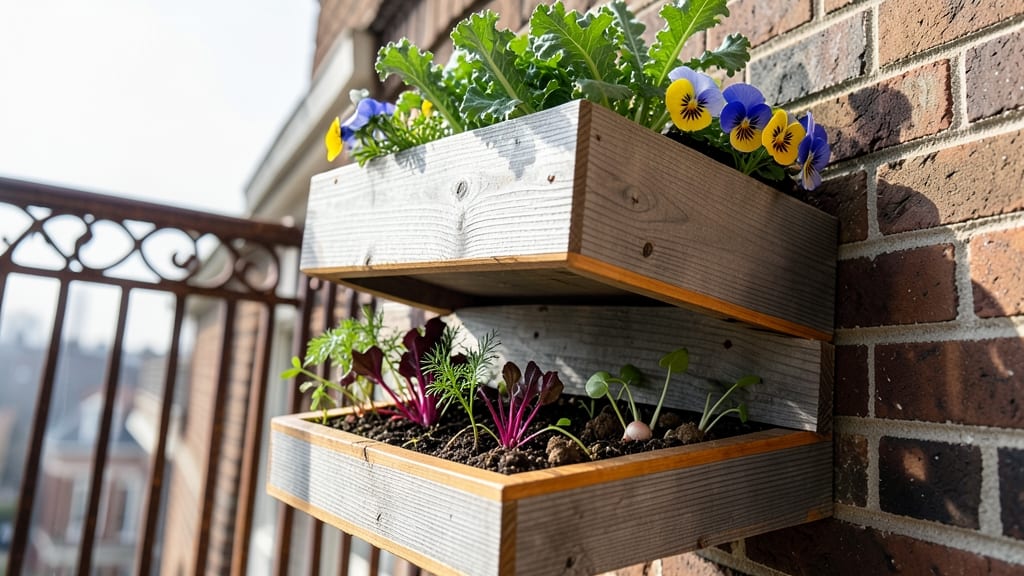
Turn your tight patio or balcony into a vertical harvest hub with tiered raised planters—where every inch counts. These stacked beds let you grow root vegetables like carrots and beets alongside leafy greens and flowers, all in a compact footprint that fits even the smallest urban spaces.
Start with two or three levels, spacing them 12-18 inches apart for easy access and airflow. The top tier is perfect for sun-loving herbs (like basil or thyme), the middle for leafy greens (spinach, lettuce), and the bottom for root crops (radishes, green onions). Use lightweight cedar or composite wood to avoid overloading small surfaces, and add drip irrigation to conserve water while keeping roots happy.
This system is a game-changer for urban gardeners or anyone with limited square footage—doubling your growing area without sacrificing accessibility. Plus, the layered look adds charm to any outdoor space. 🌱
Spiral Herb Garden
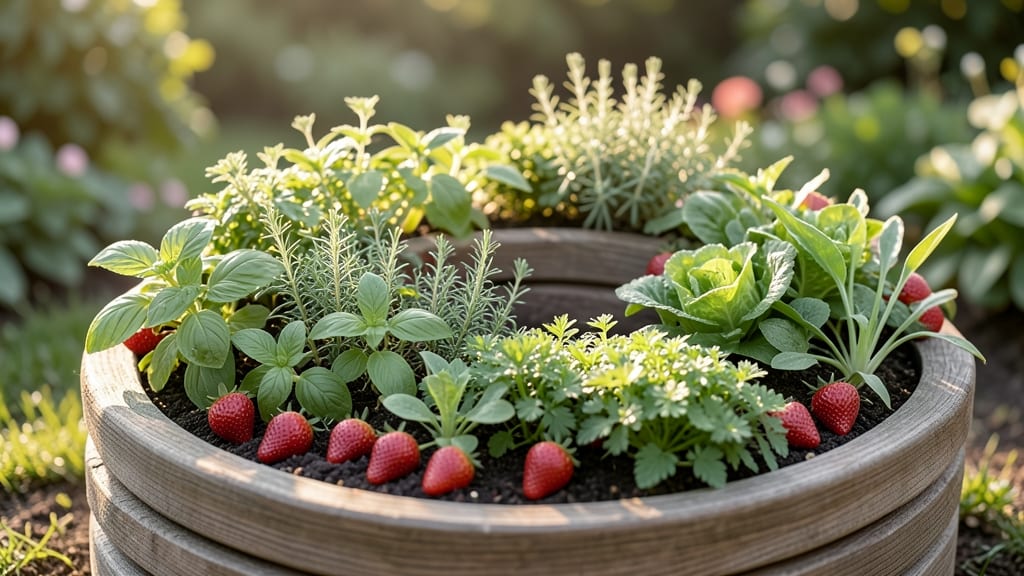
Want a garden that’s both functional and stunning without taking up much space? A spiral herb garden creates a natural, sun-catching design while growing herbs, strawberries, and salad greens in one compact, low-maintenance bed. The sloped curves mimic nature’s microclimates, giving each plant the perfect growing conditions.
Start by shaping a circular bed with a gentle slope, using stones or bricks to define the edges. Plant sun-loving herbs like rosemary and thyme on the outer, drier sections, while moisture-loving salad greens and strawberries thrive in the inner, slightly cooler curves. Mulch with straw to retain moisture and suppress weeds, and you’ll have a thriving, edible garden that’s as beautiful as it is productive.
This design is perfect for small urban gardens, patios, or even as a centerpiece in your yard—ideal for gardeners who love whimsical yet practical layouts that double as conversation starters. 🌿
Window Box Vegetable Garden
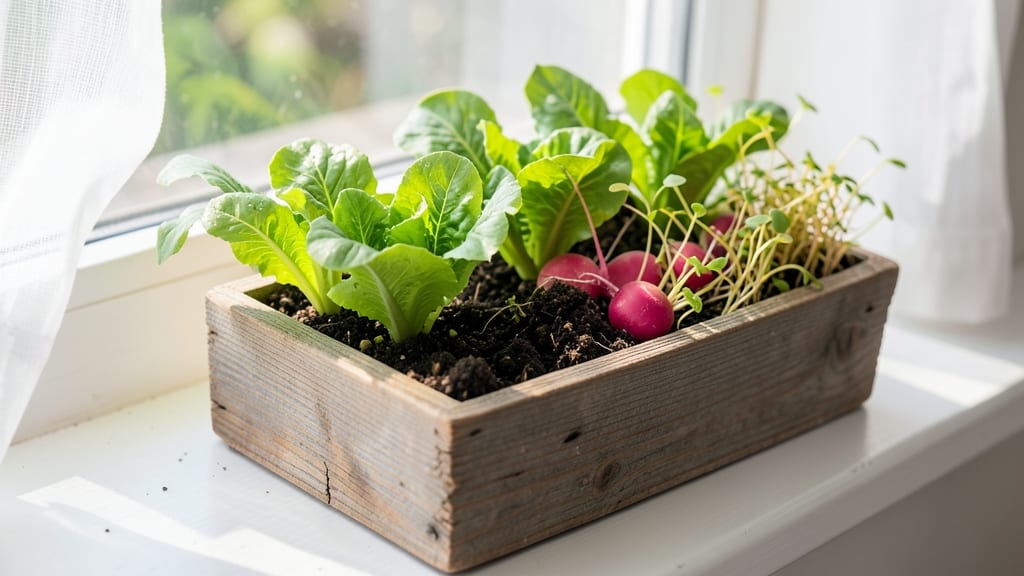
Turn your sunlit windowsill into a mini harvest zone with a window box vegetable garden. This space-saving solution lets you grow crisp lettuce, peppery radishes, and nutrient-packed microgreens—all within arm's reach of your kitchen. No yard? No problem.
Start with a shallow box (6-12 inches deep) filled with well-draining potting mix. Plant fast-growing crops like radishes (ready in 3-4 weeks) alongside leafy greens that thrive in partial shade. Water daily in morning sunlight to prevent stagnant moisture, and fertilize lightly every 2-3 weeks with fish emulsion. For urban gardeners, this setup provides fresh herbs and greens year-round with minimal space.
This is the perfect solution for renters, balcony dwellers, or anyone craving a low-maintenance way to grow food without a traditional garden. 🌱
Pallet Wood Planter Box
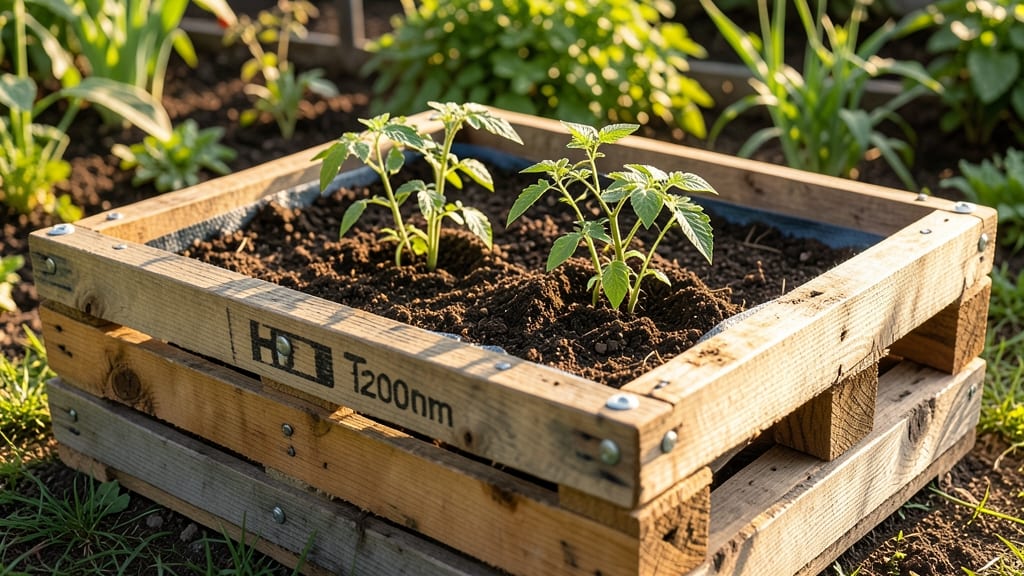
Skip the expensive raised bed kits—wooden pallets are your secret weapon for creating sturdy, customizable planter boxes at a fraction of the cost. With just a few tools and some weather-resistant wood, you can build a tomato-friendly or flower-filled bed that fits your exact space needs.
Start by sanding and sealing pallets to remove splinters and protect against moisture. Line the bottom with landscape fabric to prevent weeds, then fill with a mix of compost and garden soil. Tomatoes and peppers thrive in these boxes, while marigolds or nasturtiums add color and repel pests. For extra durability, elevate the planter on cinder blocks or bricks to prevent rot.
This DIY solution is perfect for urban gardeners, renters, or anyone with limited funds—plus, it’s easy to disassemble if you need to move. 🌻
Keyhole Garden Design
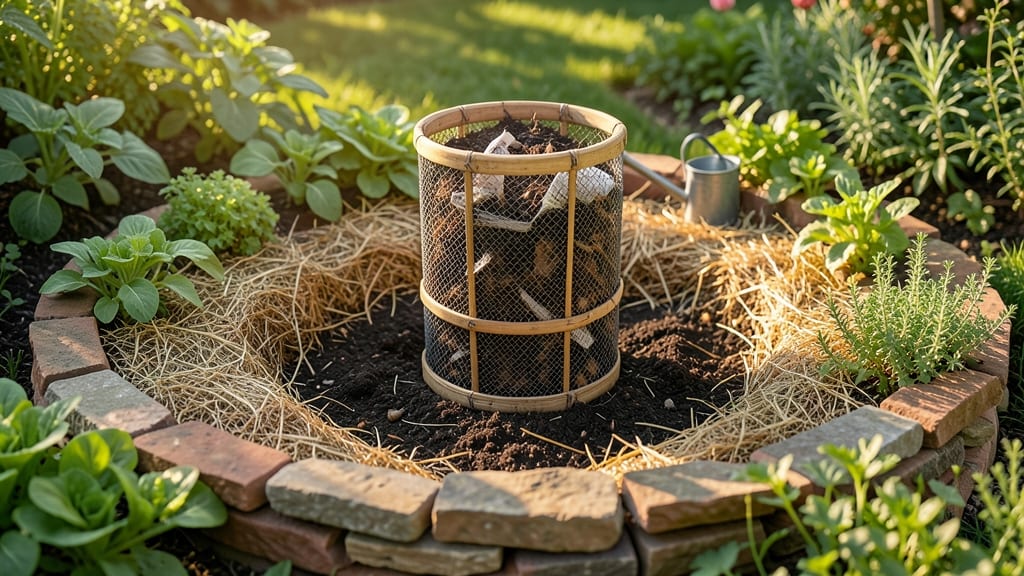
If you're struggling with water scarcity or limited space, the keyhole garden design is a game-changer. This circular bed features a central compost basket that feeds nutrients directly to your plants while drastically reducing water waste through mulch retention.
Construct the bed by lining a circular frame (3-4 feet wide) with bricks, stones, or logs, then fill the outer ring with drought-tolerant crops like sweet potatoes, beans, or leafy greens. The compost basket in the center decomposes kitchen scraps and garden waste, creating a self-sustaining nutrient loop. Water only needs to be added to the compost basket—moisture wicks outward through the mulch layer, keeping roots hydrated for weeks.
This design thrives in drought-prone areas and urban gardens where space is tight, making it ideal for beginners or eco-conscious gardeners. The circular shape also creates a natural focal point in any yard. 💚
Hanging Macramé Planters
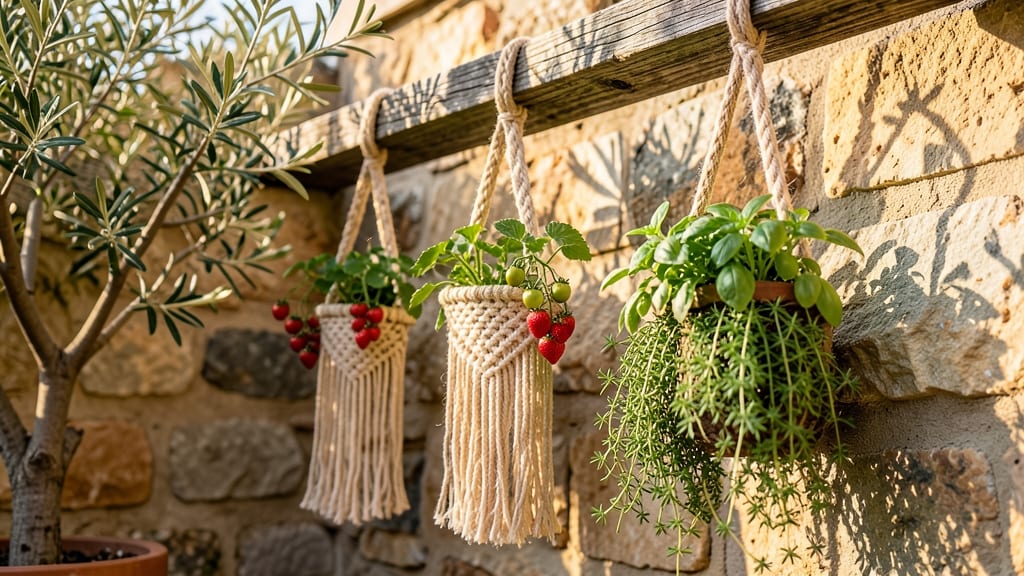
Bring your small garden to life with bohemian-chic macramé hangers—the perfect way to grow trailing plants like strawberries, cherry tomatoes, or herbs without taking up precious floor space. These handwoven planters add a whimsical touch while maximizing vertical growing potential, making them ideal for balconies, patios, or even indoor sunrooms.
Choose lightweight macramé hangers (6-12 inches deep) to accommodate root growth, and opt for self-watering designs to reduce maintenance. Hang them at varying heights for a cascading effect, and pair with fast-growing vining plants like nasturtiums or basil for quick results. The key is positioning them where they’ll receive at least 6 hours of sun daily—near windows, pergolas, or trellises.
This setup is a game-changer for urban gardeners, renters, or anyone with limited space who still wants a bountiful harvest. Plus, the boho aesthetic makes your garden feel intentional and stylish. 🌿
Interplanting Companion Crops
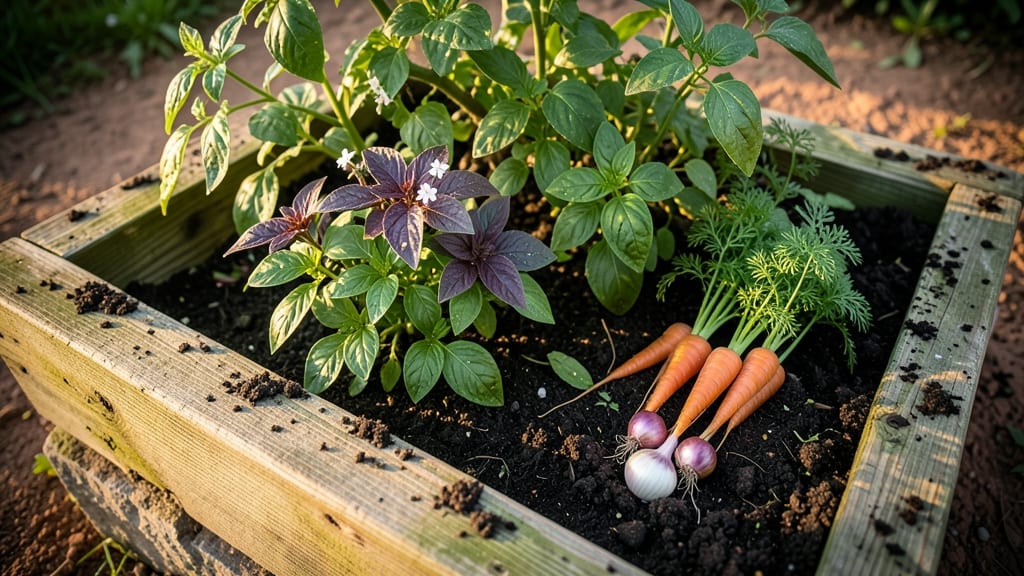
Turn your small garden bed into a powerhouse by using interplanting—a smart way to grow more with less space. Instead of planting single crops in rows, pair plants that naturally support each other, like basil with tomatoes or carrots with onions. This method not only maximizes every inch but also deters pests and boosts growth.
Start by grouping companion plants with complementary needs: tall plants like sunflowers can shade shallow roots, while pest-repelling herbs (such as marigolds or nasturtiums) protect vulnerable crops. For example, basil improves tomato flavor and deters flies, while radishes grow quickly and mark rows for slower carrots. Rotate crops yearly to prevent soil depletion and keep your bed thriving.
This technique is ideal for urban gardeners, balcony growers, or anyone with limited space. With a little planning, you’ll enjoy a healthier, more productive garden without expanding your footprint. 🌱
Modular Container Garden

Tired of being stuck with a static garden layout that doesn’t adapt to your changing needs? A modular container garden lets you swap, stack, and rearrange pots like puzzle pieces—perfect for renters or those with limited space who want flexibility without sacrificing productivity.
Use stackable containers (like fabric grow bags or plastic modular trays) to create a customizable system. Move sun-loving peppers and tomatoes to the brightest spot in summer, then shift them to a shaded patio in winter. Herbs like basil and parsley thrive in partial shade, making them ideal for lower shelves. Add wheels or casters to your containers for easy repositioning.
This system is ideal for urban gardeners, beginners, or anyone with temporary living arrangements. With modular containers, you can experiment with layouts, rotate crops, and even take your garden with you when you move. 🌱