
Tools
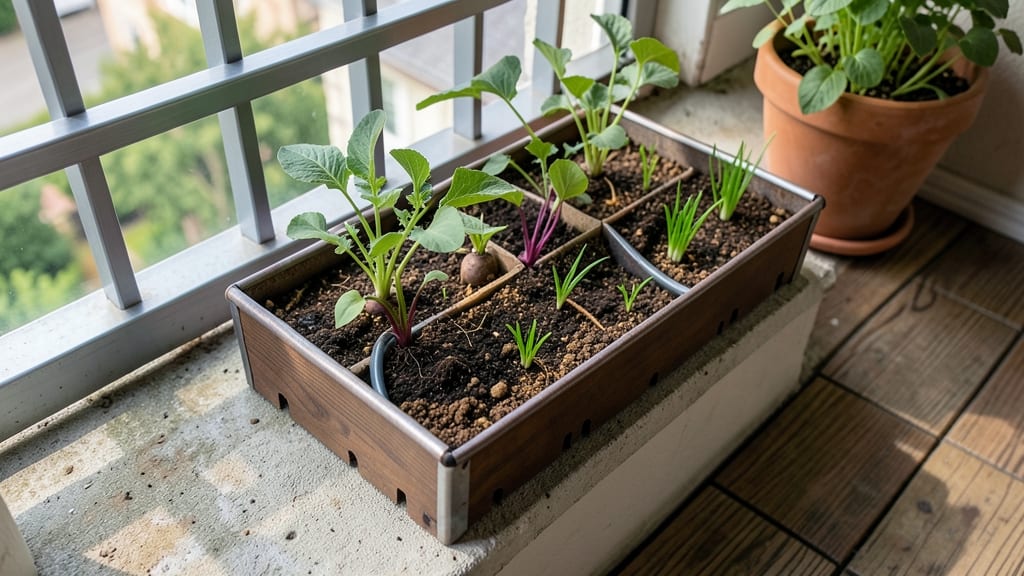
Small yards don’t mean small harvests. These 10 creative raised bed garden layouts maximize every square foot, boost productivity, and adapt to urban spaces, balconies, or cramped backyards—while keeping maintenance simple.
Square Foot Gardening Grid Layout
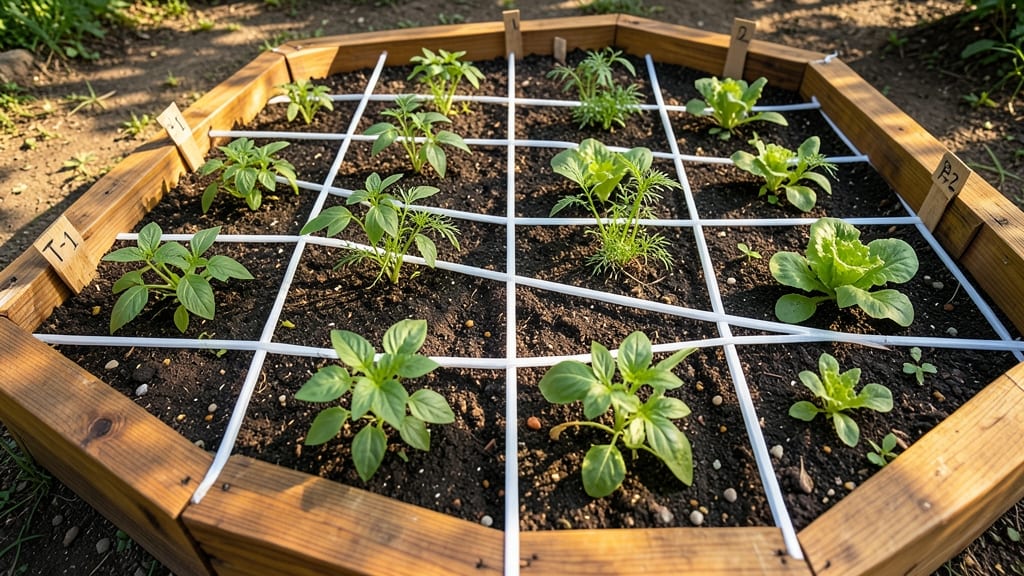
Tired of guessing how many plants fit in your raised bed? The square foot gardening grid layout turns your space into a precision-planted powerhouse—no more wasted inches! This science-backed method uses a simple 1-foot-by-1-foot grid to determine exactly how many plants thrive in each square, maximizing yields while keeping maintenance easy.
Start by dividing your bed into a grid using string or wooden dividers. Each square gets a specific number of plants based on their mature size—16 radishes per square, 1 tomato plant, or 4 onions. A handy plant spacing chart (available online) ensures roots have room to grow without competing. This system works especially well for beginners or those with limited space, as it eliminates guesswork and reduces overcrowding.
Perfect for urban gardeners or small yards, this layout also makes crop rotation a breeze. Simply swap plant families each season to prevent soil depletion. Your harvest will be bigger, healthier, and more organized—no more tangled vines or wasted soil! 💡
Keyhole Garden with Hugelkultur Base
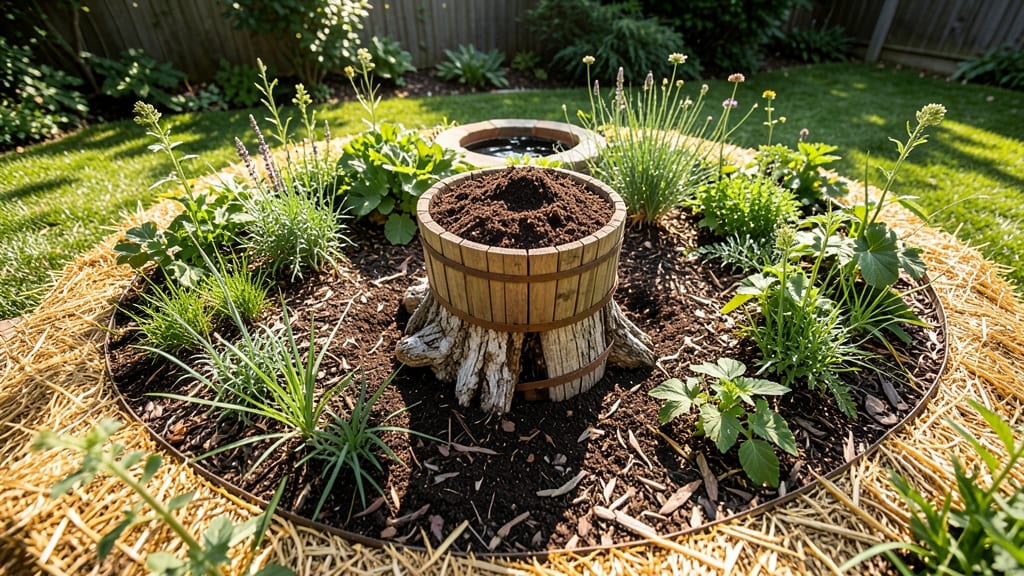
If you’re tired of watering every other day, a keyhole garden with Hugelkultur could be your new favorite layout. This circular design combines a buried log base (Hugelkultur) with a central compost basket, creating a self-watering system that thrives in drought-prone areas.
Start by digging a deep hole, layering logs, branches, and carbon-rich materials like straw or leaves at the bottom. Fill the center with a compost basket, then mound soil around it in a circular shape. The logs slowly decompose, releasing moisture into the soil while the compost basket feeds plants year-round. Perfect for leafy greens, herbs, and root crops, this design reduces watering by up to 70%.
Ideal for gardeners who want low-maintenance watering or live in dry climates, this layout also improves soil fertility over time. It’s a permaculture dream that keeps your garden lush without constant effort. 🌱
Vertical Trellis Raised Bed
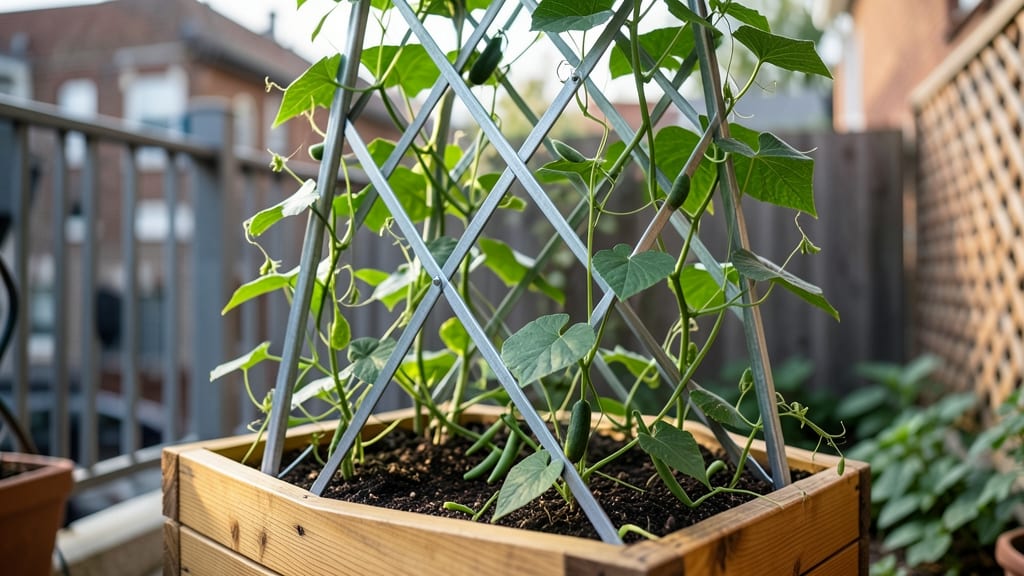
Turn your narrow balcony or tiny backyard into a high-yielding garden with a vertical trellis raised bed. This clever design lets cucumbers, pole beans, and peas climb upward instead of sprawling outward, doubling your harvest in the same footprint. Perfect for urban gardeners with limited space but big dreams!
Install a sturdy trellis along one side of your raised bed, then plant fast-growing vining crops at the base. Pair them with shallow-rooted companions like radishes or lettuce below to maximize every inch. Water consistently to keep vines hydrated, and prune regularly to encourage upward growth. This layout thrives in full sun and works beautifully with wooden or metal frames.
Urban gardeners and renters will love how this design maximizes space without sacrificing yield. It’s also beginner-friendly—just plant, water, and watch your harvest climb! 🌱
Spiral Herb Garden Layout
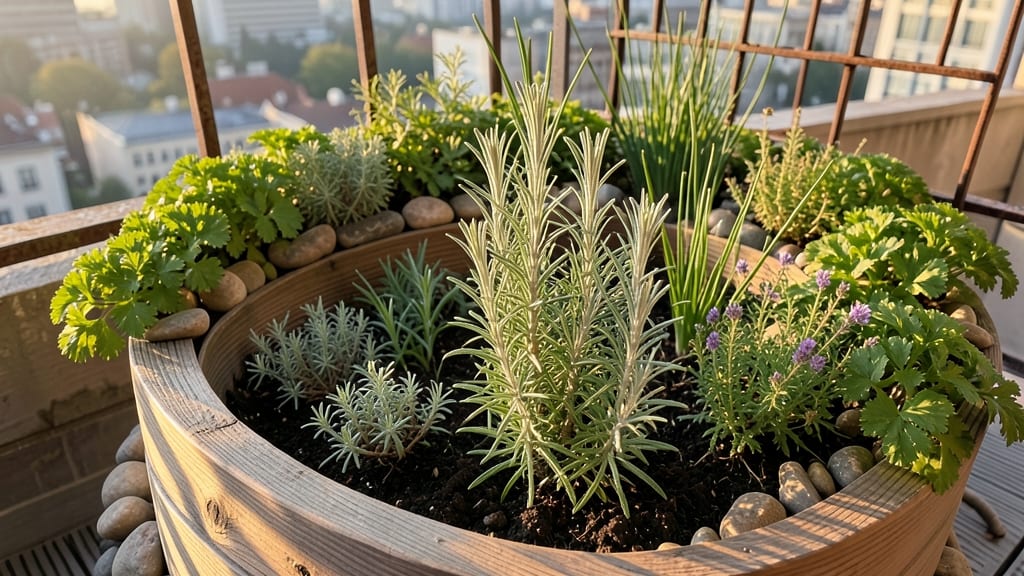
Turn your tiny balcony or urban plot into a fragrant haven with a spiral herb garden layout, where every inch of space works to capture sunlight and maximize flavor. This design mimics the sun’s path, placing taller herbs like rosemary at the center and shorter varieties like parsley or chives toward the outer edges, ensuring all plants get their ideal light exposure.
Start by creating concentric circles in your raised bed, spacing plants 6–12 inches apart based on their mature size. Use a wooden or stone border to define the spiral shape, and add mulch to retain moisture. Herbs like thyme and oregano thrive in this setup, while basil and cilantro can be tucked into the outer rings for quick harvests. The spiral’s natural flow also makes it easy to rotate crops seasonally.
This layout is ideal for city dwellers or anyone with limited space who still wants year-round access to fresh herbs—no fancy tools or deep pockets required. Just add water, sunlight, and a little love. 🌿
Tiered Raised Bed System
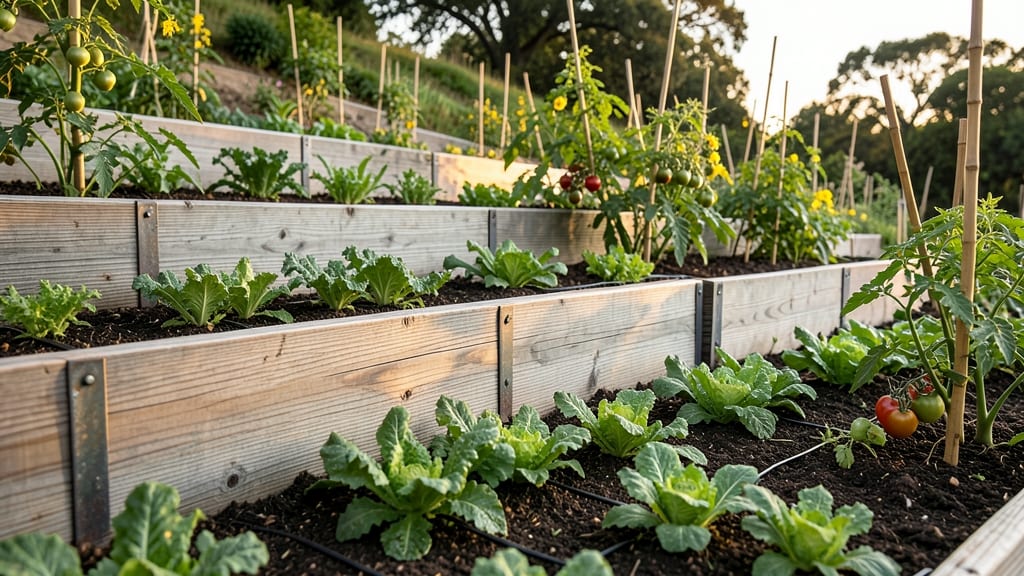
Turn a steep or sloped yard into a thriving garden without losing precious flat space. A tiered raised bed system stacks beds vertically, creating natural microclimates where each level caters to different plant needs—cool-loving greens thrive in the shaded bottom tier, while heat-seeking tomatoes bask in the top-level sunshine.
Each tier can be built independently with cedar or composite lumber, ensuring stability on uneven terrain. Start with the bottom layer for moisture-retentive crops like lettuce or spinach, then add a middle tier for bush beans or peppers, and top with sun-hungry plants like cherry tomatoes or basil. This setup also makes harvesting easier—no more bending or kneeling!
Perfect for urban gardeners with limited flat ground or those who want to maximize harvests in tight spaces, tiered beds are especially great for small patios or balconies. Plus, the layered design adds visual interest while keeping all plants within arm’s reach. 🌻
Intercropping Raised Bed Design
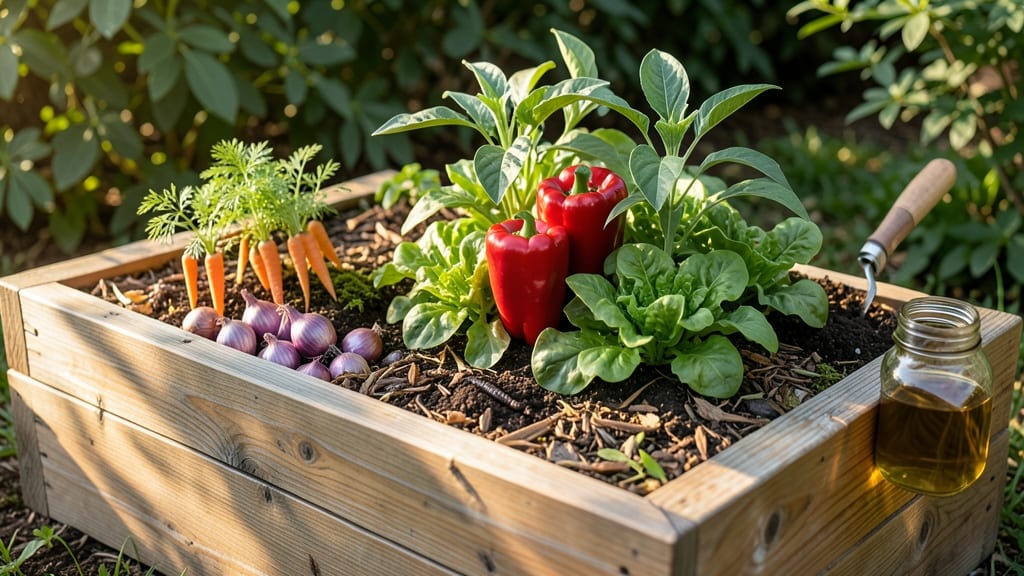
Small spaces don’t mean sacrificing biodiversity—intercropping turns your raised bed into a thriving ecosystem by pairing plants that work together, like lettuce under tall peppers or carrots next to onions. This smart strategy saves space, deters pests, and even improves soil health by sharing nutrients.
Start by placing sun-loving tall plants (like tomatoes or peppers) in the center, then surround them with shade-tolerant crops (such as spinach or radishes). The taller plants act as natural shade for heat-sensitive greens, while the low growers suppress weeds. For best results, group plants with similar water needs and avoid competing root systems—like planting beans near potatoes.
This method is a game-changer for urban gardeners or anyone with limited space. It’s also beginner-friendly, as the natural synergy reduces the need for pesticides or excessive watering. 🌱
Modular Raised Bed Grid
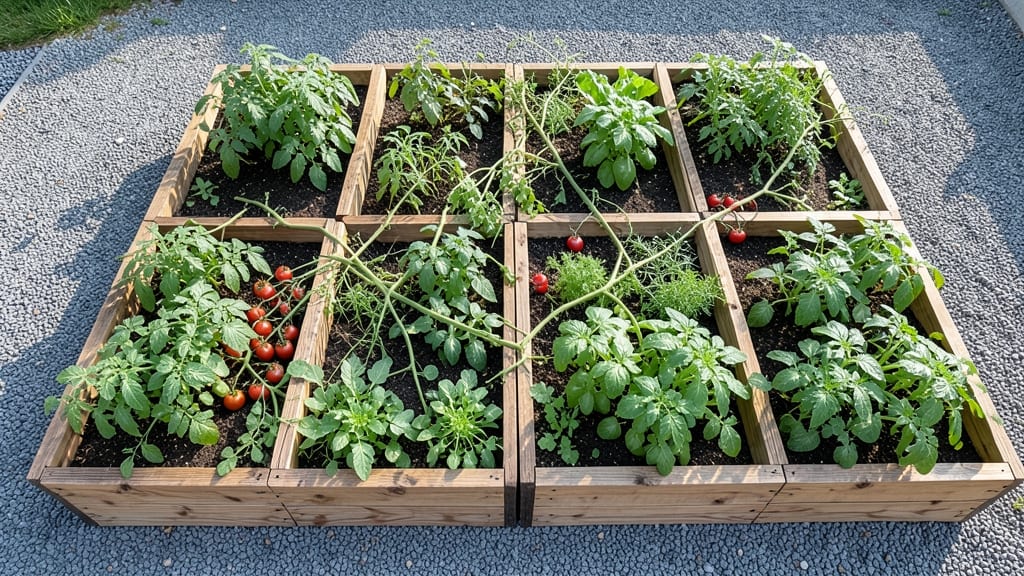
Tired of rigid garden layouts that don’t adapt to your changing needs? A modular raised bed grid lets you swap out 2x4-foot sections like puzzle pieces, so you can rotate crops seasonally without digging up the whole bed.
Each section is self-contained, making it easy to move heavy plants like tomatoes to sunnier spots in summer or swap in cool-season greens when temperatures drop. The interlocking design also prevents soil erosion and keeps weeds contained between sections. Renters love this flexibility—just disassemble and take it with you!
This system is ideal for gardeners who want to avoid soil depletion by practicing crop rotation without the hassle. Plus, it’s perfect for small spaces where every inch counts. 💡
Container-Integrated Raised Bed
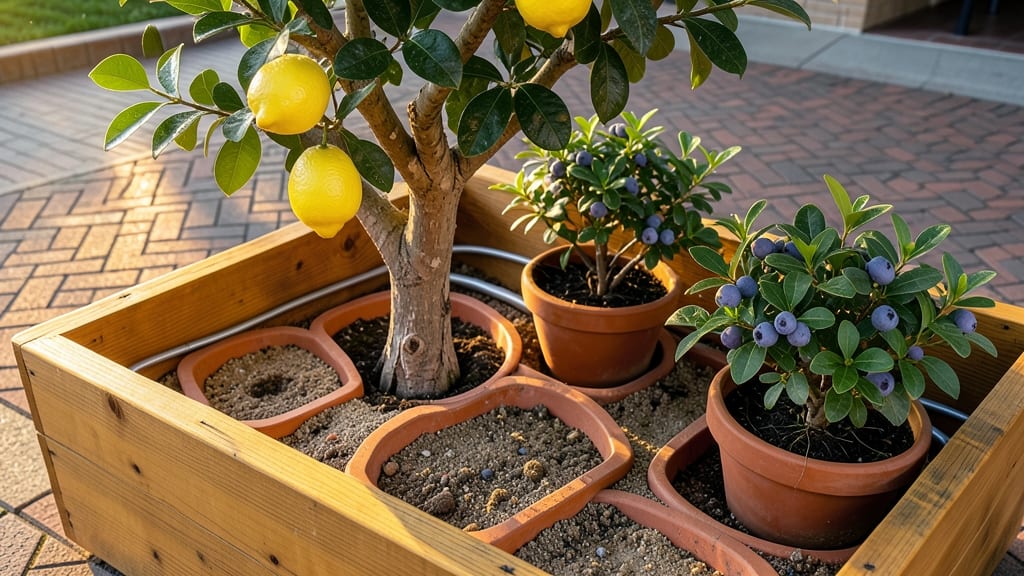
What if you could grow citrus trees and blueberries side by side—even in a tiny urban yard? A container-integrated raised bed makes this possible by embedding pots directly into the bed frame, creating perfect microenvironments for plants with conflicting needs.
This hybrid system lets you place acid-loving blueberries in their own containers while surrounding them with herbs or greens that thrive in the same bed’s neutral soil. For dwarf citrus, use pots with drainage holes and fill them with well-draining cactus mix, then nestle them into the bed’s soil. The raised bed’s structure elevates roots, preventing waterlogging while keeping the citrus warm.
Urban gardeners with limited space will love this flexibility—no more sacrificing your dream crops to incompatible soil conditions. Plus, the built-in pots make it easy to move sensitive plants indoors during frost. 🌻
Mound-Shaped Raised Bed
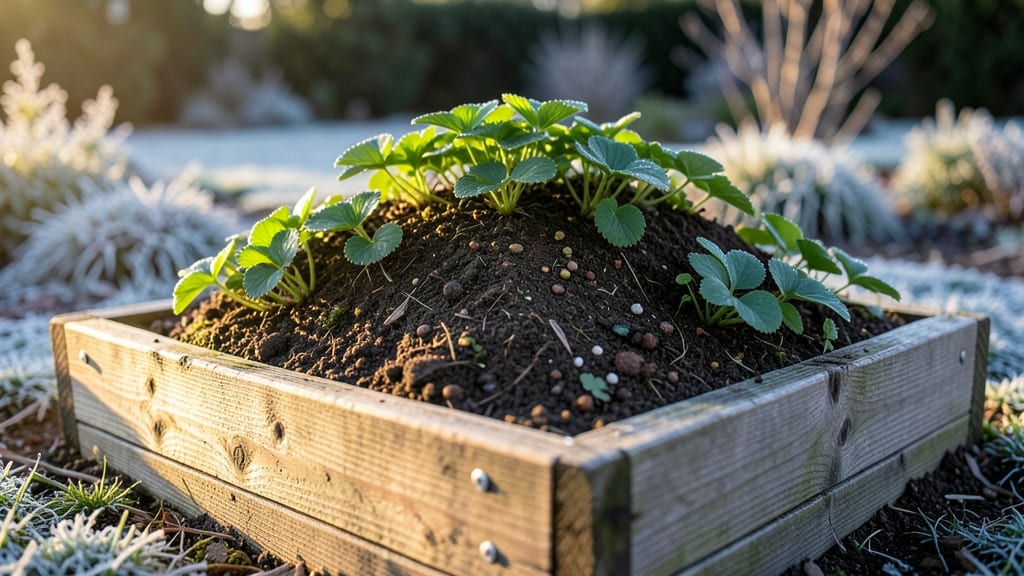
Cold climates don’t have to mean a short growing season. A mound-shaped raised bed creates a microclimate that warms soil faster in spring, giving frost-sensitive plants like strawberries a head start. The elevated center improves drainage, preventing soggy roots while keeping moisture where it’s needed.
Build your mound with a 4-6 inch peak in the center, surrounded by lower edges for shallow-rooted greens like spinach or arugula. This design also works wonders for blueberries or asparagus, which crave well-draining, slightly acidic soil. For extra warmth, add a layer of compost or straw mulch on top to retain heat.
Perfect for gardeners in USDA Zones 3-5, this layout turns early spring into a productive season. The mound’s natural slope even helps water flow to thirsty roots while keeping the bed weed-free. 🌱
Pocket Raised Bed for Apartments

Turn your balcony or windowsill into a thriving garden with a pocket raised bed—a game-changer for urban gardeners who crave fresh root crops without sacrificing space. These 2x2-foot beds use deep pockets (12+ inches) to grow potatoes, carrots, and beets vertically, making them perfect for micro-spaces where traditional beds won’t fit.
Start by dividing the bed into 4-6 pockets (use cardboard or wooden strips) to separate root crops. Fill with loose, well-draining soil mixed with compost, and plant seeds directly into the pockets. For potatoes, plant cuttings with eyes facing up, and harvest "new potatoes" from the pockets as they form. Carrots thrive in deep pockets too—choose shorter varieties like 'Paris Market' to avoid overcrowding.
This design is ideal for renters, small apartments, or balconies with limited sunlight (6+ hours daily). The pockets allow you to rotate crops seasonally and even grow greens like radishes or microgreens in shallower sections. 🌱