
What is on this site
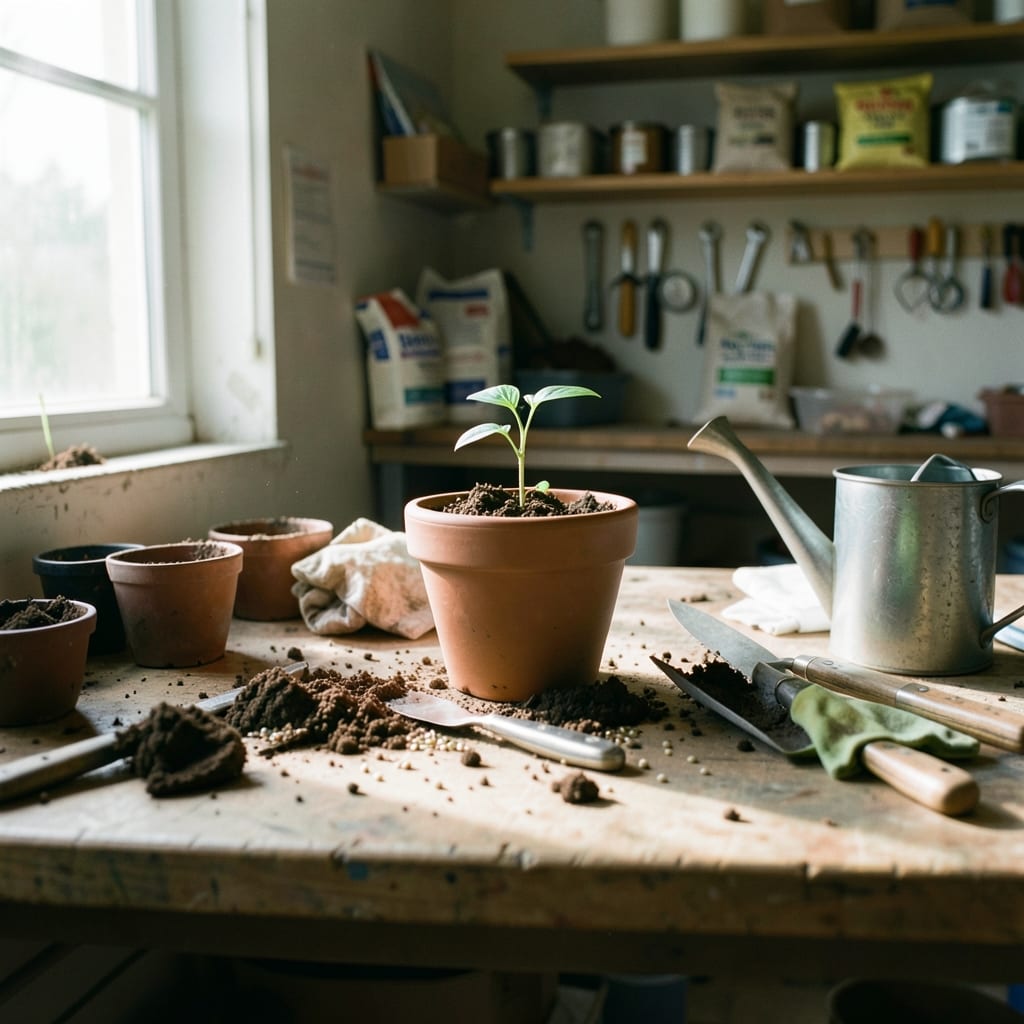
This site is for gardeners who want to grow plants—not just the ones that thrive, but the ones that teach. Every post here starts with a seed or a cutting, follows its progress through soil and seasons, and ends with what worked, what failed, and why.
The site is organised by what you’re trying to do: starting from scratch, troubleshooting problems, or scaling up what’s already growing. Some pages focus on specific plants; others cover techniques like pruning, layering, or dealing with pests.
The numbers in headings tell you how long something takes—weeks, months, or a full season—and the notes at the end explain what changed when things went wrong.
| Where | What is there | Go here if |
|---|---|---|
| The Journal | Season-by-season logs of what grew (and what didn’t) | You want to track your own progress |
| The Toolkit | Step-by-step guides for tasks like soil prep or propagation | You’re new to a technique |
| The Archive | Plant profiles with success rates, hardiness zones, and common pitfalls | You’re choosing what to grow |
| The Troubleshooter | Diagnoses for yellow leaves, stunted growth, or wilting | Your plants look sick |
How to read a page here
Every page begins with a clear goal—what you’ll have at the end, whether it’s a harvest, a pruned bush, or a saved plant. The first paragraph explains the conditions: sunlight, soil type, and climate.
If a step has a number like *3 weeks*, that’s how long it takes from start to finish under normal conditions.
Look for the Notes section at the bottom: it lists what went wrong in testing, how it was fixed, and what to watch for in your own garden. Ignore the sidebars on a first read—they’re for quick tips, not the main process.
And if a post mentions *Zone 5–7*, that’s your clue to check your local hardiness zone before you plant.
When it does not work
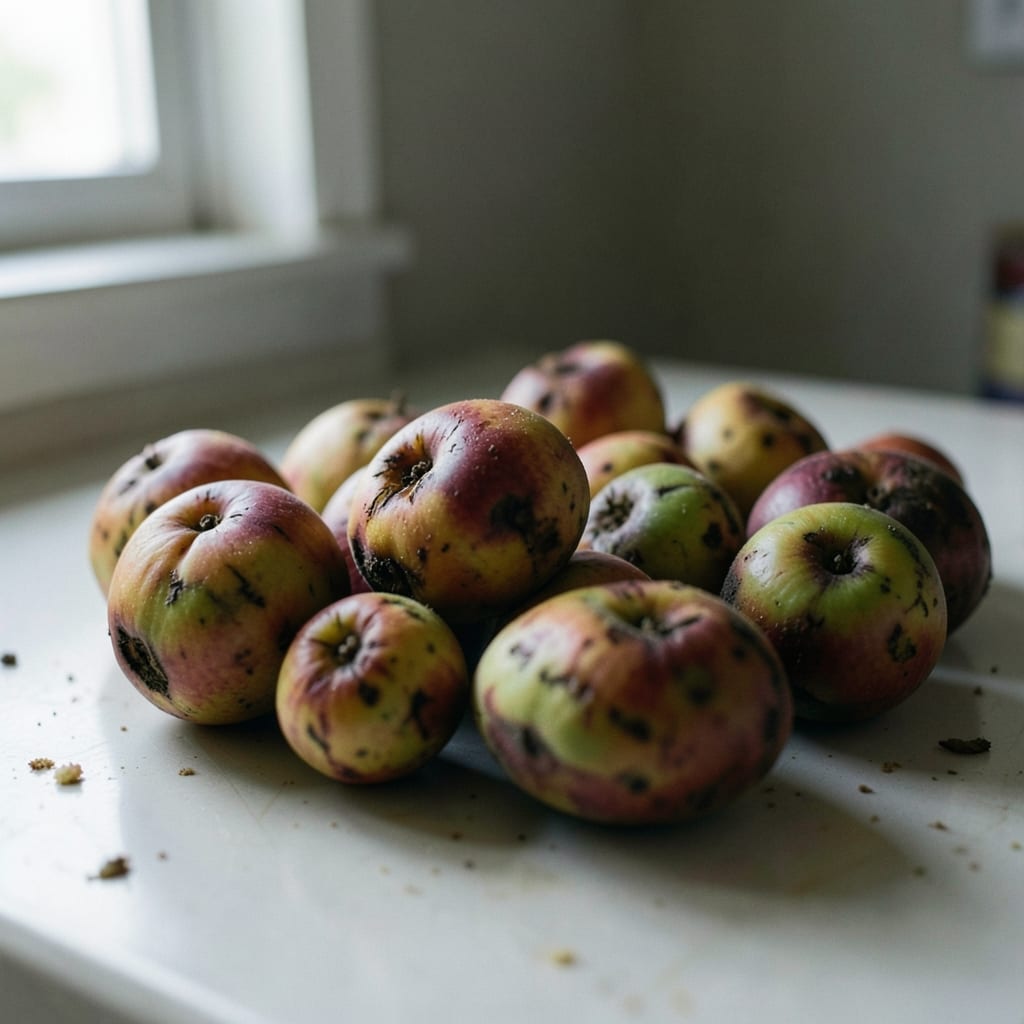
Most gardening problems aren’t mysteries—they’re mismatches. The soil might be too dense, the watering too erratic, or the plant the wrong one for the spot. Before you give up, check these four things first.
Before you give up
- Is the plant getting the right amount of light? (Too little = leggy growth; too much = scorched leaves.)
- Has the soil drained properly? (Puddles mean compaction; dry crust means it’s not holding moisture.)
- Are you watering at the base or from above? (Leaf watering spreads disease; base watering encourages roots.)
- Did you start with the right variety? (Some tomatoes thrive in heat; others bolt before fruiting.)
Who we are
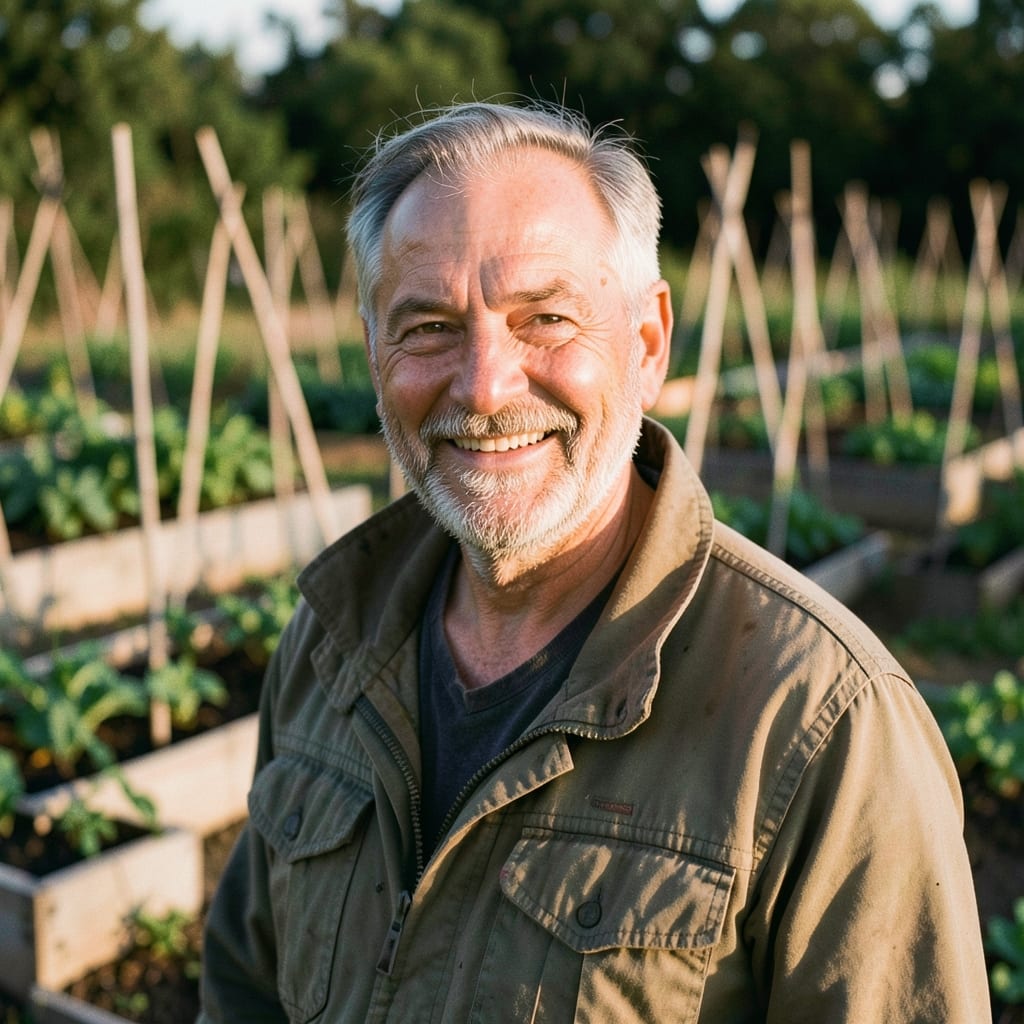
This site is built by someone who still remembers the first time a seedling cracked through soil—and the panic when it didn’t.
| The colophon | |
|---|---|
| Written by | Xavier Radcliffe, who grows most of what he writes about in a 200-square-foot raised bed in Portland, Oregon. |
| Tested in | A north-facing plot with morning sun and afternoon shade, using no-till methods and composted kitchen scraps. |
| Written with | A trowel, a moisture meter, and a notebook that’s half dirt-streaked by the third page. |
| Learned from | A retired nursery owner who insisted, ‘Plants don’t care about your schedule—they follow the moon.’ |
| Still getting wrong | The exact moment to prune back perennials without sacrificing next year’s blooms. |
Gardening isn’t about perfection. It’s about noticing what’s alive, figuring out why, and trying again—even when the first attempt looks like a failure. That’s what these pages are for.
If you need something that is not here
This site covers the basics of growing, but not every plant or climate. If you’re looking for advice on something specific—like growing citrus in a cold zone or reviving a dying bonsai—start by checking the Troubleshooter. If it’s not there, the contact page is the next step.
The guides are grouped by category: Advice, Aphids, Blooming, Companion Plants, Container Gardens and Diseases.