
Advice
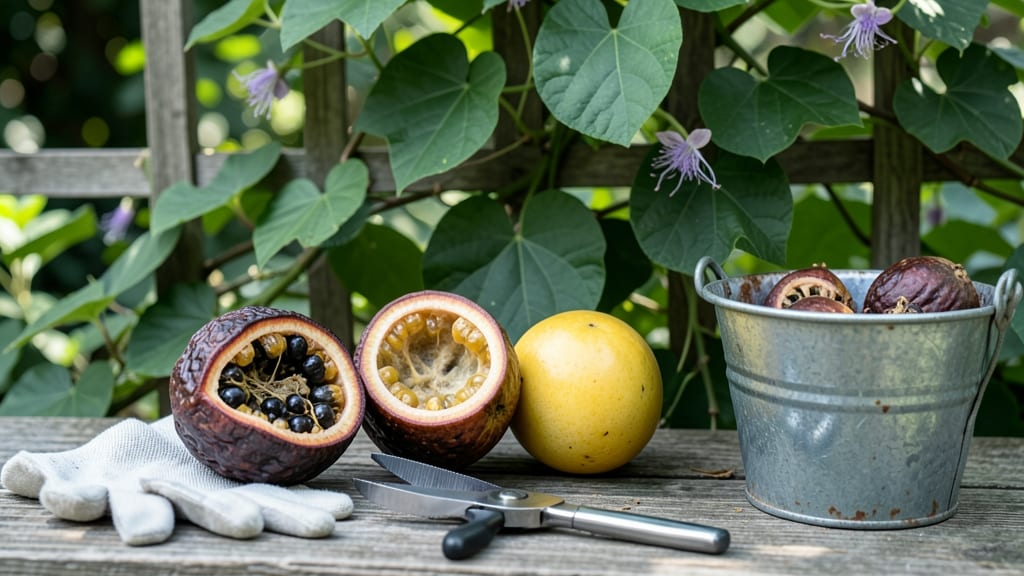
Your overripe passion fruit turned mushy and sweet? Don’t toss it—those squishy insides hold hidden potential. 🌱 I’ve rescued overripe passion fruit from the compost bin and turned them into jam, pest control, and even compost tea, saving money and reducing waste every time.
The telltale signs are soft skin, a strong fermented smell, and pulp that’s almost liquid. These fruits are past their prime for eating fresh but still packed with flavor and nutrients. The key is acting fast—within 24 hours—before mold sets in.
You’ll either transform them into a tangy syrup, use them as a natural slug repellent, or blend them into a nutrient-rich soil additive. The pulp’s natural sugars and acids make it a powerhouse for both the kitchen and garden.
Works for gardeners with limited storage, those who overestimate their harvest, or anyone who loves turning "waste" into something useful. Here’s how to salvage every last drop!
The Hidden Triggers Behind Ripening Gone Wrong
Passion fruit turning mushy and overly sweet before you’re ready to use it isn’t just bad luck—it’s usually the result of a few key factors working against you. Understanding these causes can help you extend the life of your fruit or spot the signs early to salvage what you can.
Here’s what’s really going on inside (and outside) your passion fruit’s skin.
Passion fruit are tropical fruits with delicate ripening processes, and heat is their worst enemy. When stored in warm conditions—especially above 75°F (24°C)—the fruit’s natural ethylene production (the plant hormone that triggers ripening) ramps up like a race car engine. Here’s why:
- Enzymatic breakdown accelerates: Enzymes like polygalacturonase and pectin methylesterase soften the fruit’s cell walls faster, turning firm flesh into a pulpy mess. Think of it like overcooked apples—no going back!
- Respiration spikes: Higher temps make the fruit “breathe” harder, depleting its natural sugars and starches into carbon dioxide and ethanol (yes, like in wine!). This not only speeds up ripening but also leads to fermentation if left too long.
- Skin integrity weakens: The waxy coating on passion fruit (called the cuticle) protects against moisture loss. Heat breaks it down, making the fruit more susceptible to physical damage (like bruising) and microbial invasion (think mold or yeast).
💡 Pro Tip: If your kitchen hovers around 80°F+ (27°C+), store passion fruit in the crisper drawer of your fridge (not the door—temperature swings there are brutal). For extra protection, wrap them in a paper towel to absorb excess moisture from condensation.
Passion fruit are not like apples or bananas—they hate humidity. While some fruits thrive in moist environments, passion fruit’s thin skin and high sugar content make them prime targets for mold, bacterial growth, and accelerated spoilage. Here’s how moisture backfires:
- Condensation = Enemy #1: Storing passion fruit in plastic bags or sealed containers traps ethylene gas (which speeds ripening) and creates a greenhouse effect. The fruit “sweats,” softening its skin and inviting Botrytis cinerea (the same fungus that causes gray mold on strawberries).
- Waterlogged cells: Excess moisture triggers osmotic stress, causing the fruit’s cells to swell and burst. This is why overripe passion fruit often leak a syrupy, fermented pulp—their internal structure has collapsed.
- Ethylene trap: Humidity amplifies ethylene production. Since passion fruit are climacteric (they ripen after harvest), this creates a feedback loop: more moisture = more ethylene = faster overripening.
🌡️ Fix It Fast: Store passion fruit in a paper bag with air holes (yes, really!) or a mesh produce bag to allow airflow. If you’ve already got a soggy fruit, pat it dry with a clean towel and place it in a single layer on a tray—never stack them.
Passion fruit are highly sensitive to ethylene, a natural gas emitted by other fruits and even some vegetables. If your passion fruit are stored near these “culprits,” they’ll ripen 3–5 times faster than normal. The worst offenders:
| 🚨 Top Ethylene Producers | What Happens Near Passion Fruit |
|---|---|
| Apples 🍎 | Triggers cell wall degradation in 24–48 hours, turning firm fruit mushy. |
| Bananas 🍌 | Ethylene spikes can cause passion fruit to ferment (smells like nail polish remover = bad). |
| Tomatoes 🍅 | Accelerates respiration rate, draining sugars and making pulp watery. |
| Avocados 🥑 | Combined ethylene + heat = mold growth in 3–5 days. |
🔥 Avoid This Mistake: Keep passion fruit far away from ethylene emitters. If you must store them in the fridge, place them in the crispest drawer (not with veggies) or use a separate compartment. For short-term storage, a countertop away from the stove or fruit bowl is safest.
Even if you store passion fruit perfectly, buying or picking them already ripe seals their fate. Passion fruit reach peak ripeness 3–5 days after harvest, but many stores pick them unripe for shipping—meaning they’ll continue ripening (and overripening) on your shelf. Here’s how to spot pre-ripe passion fruit:
- Skin color: Ripe passion fruit turn from green to golden-yellow with some brown spots. If it’s fully green, it’s unripe; if it’s mostly brown/black, it’s past its prime.
- Weight and firmness: A ripe passion fruit feels heavy for its size and yields slightly when gently squeezed (like a ripe peach). If it’s rock-hard, it’s unripe; if it’s mushy, it’s over.
- Stem check: The stem should easily pull away from the fruit when ripe. If it’s glued on, the fruit is underripe.
⏰ Time-Sensitive Tip: If you must buy unripe passion fruit, place them in a paper bag with a banana or apple for 24 hours to speed up ripening safely. Then move them to the fridge to pause the process. Overripe? See our next section for revival tricks!
Revive Overripe Passion Fruit Fast
If your passion fruit has turned mushy, fermented, or lost its vibrant charm, don’t toss it just yet! With a few simple tricks, you can salvage its sweet, tangy essence—or even transform it into something delicious.
Below, we’ll tackle the most common causes of overripeness and show you how to fix them, plus how to prevent future spoilage.
Cause: The fruit is ripe but has sat too long, causing the skin to darken or wrinkle. Fix:
- 🔥 Cut and Use Immediately: Slice open the fruit and scoop out the pulp. Use it fresh in smoothies, desserts, or as a topping for yogurt or pancakes.
- 🍳 Blend into Sauces or Syrups: Overripe passion fruit makes a fantastic base for sauces (pair with honey or lime) or a tropical syrup for cocktails.
- 🧊 Freeze for Later: Scoop the pulp into ice cube trays or small containers. Frozen passion fruit works great in smoothies or as a refreshing sorbet.
💡 Prevention Tip: Harvest passion fruit when it’s just ripe—bright yellow or purple with a slight give when squeezed. Store in a cool, dry place (not the fridge) to slow ripening.
Cause: The fruit has fermented due to heat, humidity, or being left too long on the vine. Fix:
- 👨🍳 Cook It Down: Fermented passion fruit can still be used in jam, chutney, or fermented drinks (like a tropical kombucha base). Simmer with sugar, vinegar, or spices to balance the funk.
- 🥘 Make Vinegar or Hot Sauce: The tangy, funky flavor works surprisingly well in passion fruit hot sauce or a sweet-and-sour vinegar. Blend with garlic, chili, and apple cider vinegar for a zesty kick.
- 🌱 Compost or Discard: If it’s truly moldy or rotten, compost it—don’t risk foodborne illness.
💡 Prevention Tip: Pick passion fruit as soon as it detaches from the vine (or within 1–2 days). Avoid storing in humid areas, and refrigerate if you won’t use it within 3–4 days.
Cause: The fruit has broken down from overripeness, making the flesh soft and seedy. Fix:
- 🍯 Strain for Juice: Mash the pulp and strain through a fine mesh sieve or cheesecloth to extract the sweet juice. Use it in cocktails, dressings, or marinades.
- 🎂 Bake into Treats: Fold the pulp into muffins, cheesecake fillings, or energy balls (mix with oats, nuts, and honey).
- 🥄 Blend into Sorbet: Combine with coconut milk, sugar, and lime for a creamy, tropical sorbet—perfect for hot days!
💡 Prevention Tip: If you won’t use passion fruit right away, blanch it first (dip in boiling water for 30 seconds, then cool) to slow ripening and preserve texture.
Cause: Fungal growth from moisture or poor storage. Fix:
- ❌ Do Not Eat: Moldy passion fruit can harbor harmful bacteria. Toss it immediately—no amount of cooking will make it safe.
- 🌱 Compost Safely: If mold is only on the skin but the inside looks fine, peel carefully and use the pulp only if it’s unspoiled. Otherwise, compost the whole thing.
💡 Prevention Tip: Never wash passion fruit until ready to use—excess moisture speeds up mold. Store in a paper bag (not plastic) to allow airflow.
Still have extra?
Try these zero-waste ideas: - 🍹 Passion Fruit Shrub: Mix strained pulp with vinegar and sugar for a tangy shrub (great in drinks or as a glaze). - 🥑 Avocado Passion Fruit Toast: Spread mashed avocado on toast, top with passion fruit pulp, and sprinkle with chili flakes. - 🍪 Granola or Trail Mix: Drizzle passion fruit syrup over homemade granola or nuts for a sweet-savory twist.
Final Thought: Overripe passion fruit isn’t a loss—it’s a flavor opportunity! With these fixes, you’ll never waste a single drop of that pulpy goodness again. 🍈✨
Frequently asked questions
How can I tell if my passion fruit is overripe vs. just ripe?
Look for these signs: Overripe passion fruit have dark brown/black skin, a fermented or sour smell, and pulp that’s nearly liquid. A ripe fruit should have golden-yellow skin with slight wrinkling, feel heavy for its size, and yield slightly when squeezed. The stem should pull away easily—if it’s stuck, it’s underripe.
Can I still use passion fruit that’s fermented or moldy?
Fermented fruit can be salvaged by cooking it into jam, syrups, or vinegar—the heat balances the funk. But moldy passion fruit should never be eaten, even if you peel it. Toss moldy fruit in compost instead. The mold can release harmful spores when heated.
What’s the best way to store passion fruit to prevent overripening?
Keep them in a paper bag with air holes at room temperature (up to 75°F/24°C) for 2–3 days max. For longer storage, refrigerate in the crisper drawer (not the door). Avoid plastic bags—they trap moisture and speed up spoilage. Pro tip: Wrap each fruit in a paper towel to absorb excess moisture.
How can I use overripe passion fruit pulp in cooking?
Blend it into smoothies, sorbets, or cocktails for a tangy kick. Strain the pulp to make passion fruit syrup (simmer with sugar and lime) or fold it into muffins, cheesecake, or granola. The high sugar content makes it perfect for baking—just reduce other sweeteners by 20%.
Is there a way to revive passion fruit that’s too soft to eat?
No, but you can still use it! Scoop out the pulp and freeze it in ice cube trays for later use in recipes. If it’s fermented, cook it down into chutney or hot sauce—the heat neutralizes the funk. For moldy fruit, compost the skin but use the pulp in non-edible projects like natural slug repellent (mix with water and spray around plants).