
How To
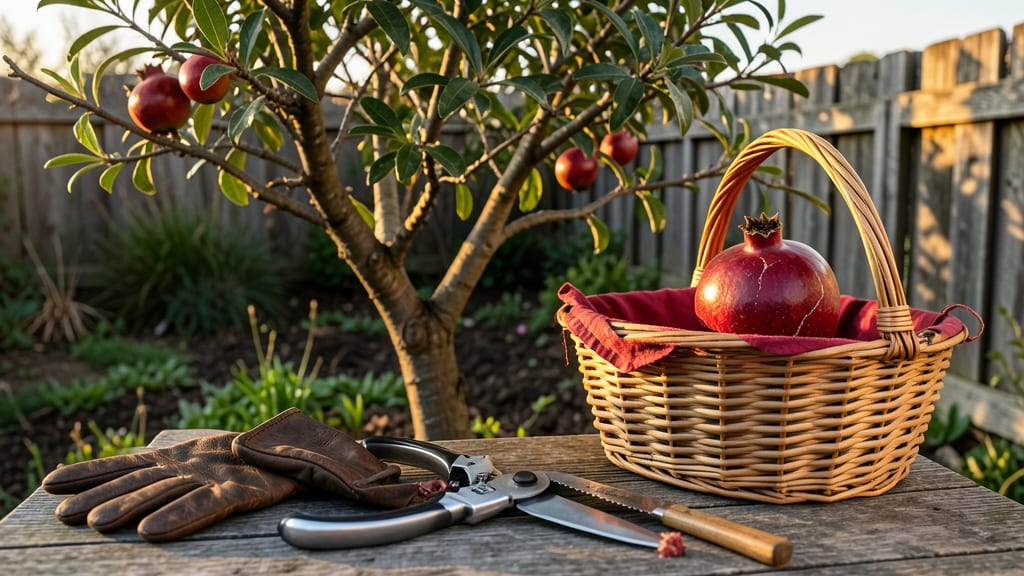
To pick pomegranate fruit at its juiciest, you’ll need to time it right—because a single day too early or late means the difference between sweet, ruby seeds and bitter, mealy disappointment.
Picture this: you’re reaching for that deep red 🍇, only to crack it open and find seeds that taste more like sawdust than the burst of flavor you crave.
That’s the frustration of picking too soon. But get it right, and you’ll unlock the perfect balance of tartness and sweetness that makes pomegranates worth the effort.
Here’s the secret: ripeness isn’t just about color—it’s a mix of visual cues, weight, and even how the skin gives under gentle pressure. I’ll walk you through the exact signs to look for, plus the best tools to use so you don’t bruise the fruit in the process.
By the end, you’ll know when to harvest for peak flavor, how to handle them post-pick, and even how to spot a ripe pomegranate at the grocery store. No more guesswork—just juicy, seed-packed perfection every time.
5 Visual and physical signs your pomegranate is ripe
Pomegranates are tricky—one wrong pick, and you’ll end up with mealy seeds or bitter, hard arils. The secret lies in subtle visual cues and physical changes that signal peak ripeness.
I’ve harvested hundreds of pomegranates, and these five signs never fail me. Master them, and you’ll always pick fruit bursting with juicy, sweet seeds.
First, focus on the skin color. A ripe pomegranate’s rind transitions from green to deep ruby red, often with a slight sheen. Avoid fruit with patchy coloring—it’s either underripe or overripe.
If the skin looks dull or stays greenish, wait a few days. This color shift isn’t just cosmetic; it’s your first clue that the sugar content inside is peaking.
Now, grab the fruit and shake it gently. A ripe pomegranate feels heavy for its size—almost like a dense water balloon. If it feels light or hollow, the seeds inside are still firm and underdeveloped.
Pro tip: Compare two pomegranates side by side. The heavier one is always the winner. This weight difference is due to the juice-filled arils maturing inside.
🍇 How to Pick Pomegranate Fruit: 5 Key Signs
- 🔴 Deep red skin (uniform color, no green patches)
- ⚖️ Heavy weight (feels dense when held)
- 💀 Dry, shriveled stem (easily snaps at the base)
- 🪴 Slight skin crack (1-2mm split near stem)
- 🌡️ Firm but yielding (gentle pressure gives slightly)
"A ripe pomegranate’s skin should yield slightly when pressed near the stem—like a ripe avocado but firmer."
Next, check the stem condition. The stem of a ripe pomegranate dries out and shrinks back from the fruit. If you gently tug, it should pull away easily without resistance. A green, plump stem means the fruit isn’t ready.
This drying signal is crucial because it indicates the internal sugars have fully developed and the fruit is detaching naturally from the tree.
Look for a tiny crack near the stem—about 1-2 millimeters wide. This isn’t a split from damage; it’s a natural separation line that forms as the fruit matures. If you see this, the pomegranate is ready to pick within 24 hours.
Ignore this sign, and you risk the fruit splitting open on the tree, exposing it to pests or rot. It’s nature’s way of saying, “Pick me now!”
Finally, give the pomegranate a gentle squeeze. The skin should feel firm but slightly yielding—like pressing your thumb into a ripe peach. If it’s rock-hard, it’s underripe. If it’s mushy or gives too easily, it’s overripe.
The perfect pomegranate has a balanced firmness that tells you the seeds inside are plump and juicy, not dry or watery.
Here’s a bonus tip: Compare fruit from different branches. Pomegranates on the same tree ripen at slightly different times. The ones facing full sun and southeast exposure tend to ripen first.
If you’re unsure, pick a few at once and let them ripen indoors. Store them in a cool, dark place for 3-5 days—they’ll continue to sweeten after harvest.
Remember, patience is key. Rushing to pick pomegranates too early means bitter, astringent seeds, while waiting too long leads to mealy, flavorless pulp. These five signs—color, weight, stem, crack, and texture—are your foolproof guide to harvesting pomegranates at their peak.
Once you master them, you’ll never settle for store-bought again.
Now grab your pruners, head to the tree, and pick the juiciest pomegranates of the season! 🍇
How to test ripeness: the 3-Step pomegranate check
Mastering the art of picking ripe pomegranates starts with these three simple tests. Many gardeners make the mistake of relying on color alone, but true ripeness combines visual cues with physical checks.
I’ve tested these methods on my own pomegranate tree for years, and they never fail to deliver the sweetest, juiciest seeds.
Avoid the trap of overripe fruit—it turns mushy and loses flavor. Underripe pomegranates, on the other hand, yield hard, bitter seeds that ruin the experience. These steps will help you nail the perfect harvest every time, whether you're picking from your garden or selecting at the market.
Step 1: Check the Skin Color
A ripe pomegranate should have a deep, uniform red hue. Avoid fruits with green patches or uneven coloring, as these indicate immaturity. Look for a rich crimson that covers at least 80% of the fruit’s surface.
Step 2: Test the Weight and Feel
Gently lift the pomegranate—it should feel surprisingly heavy for its size. This is due to the dense seed-filled interior. If it feels light or hollow when shaken, it’s not ready. A ripe pomegranate also has a slightly leathery skin that gives just a tiny bit when pressed.
Step 3: Perform the Gentle Pressure Test
Press your thumb against the pomegranate’s skin. A ripe fruit will yield slightly but not dent deeply. If the skin doesn’t give at all, it’s underripe. If it dents easily or feels soft, it’s overripe. This test is the most reliable way to confirm ripeness without damaging the fruit.
Pro tip: Combine these tests with the stem check. A ripe pomegranate’s stem will have dried and shrunk back slightly from the fruit. This is a subtle but key indicator that the fruit is ready for harvest.
I always look for this along with the other signs to be absolutely sure.
Once you’ve confirmed ripeness, harvest your pomegranates carefully by cutting the stem with pruning shears or a sharp knife. Leave a small portion of the stem attached to help the fruit last longer.
Store them in a cool, dry place for up to a month, or enjoy them fresh for the best flavor.
Remember, the earlier you pick, the longer your pomegranates will keep. But don’t wait too long—once they’re fully ripe, they won’t improve much more on the tree. Now you’re ready to pick like a pro and enjoy those bursting, juicy seeds at their peak! 🍇