
Trees
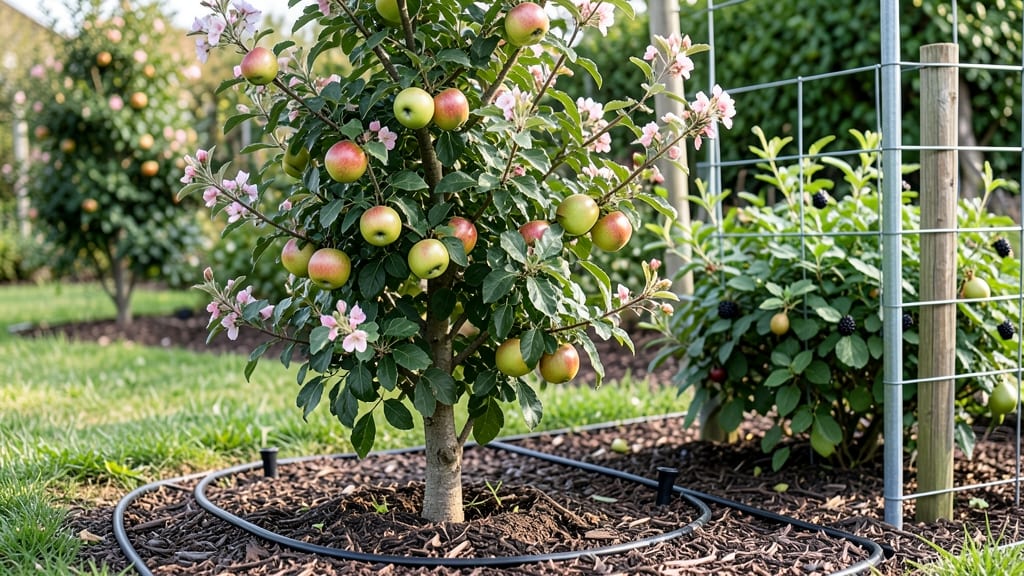
Growing shrub fruit trees turns your yard into a year-round berry buffet with almost no fuss. 🌿 Unlike traditional fruit trees, these compact powerhouses—think blueberries, raspberries, and currants—produce bountiful harvests while staying manageable in small spaces.
My first blueberry bush yielded enough berries to freeze for smoothies, and that was just the first year.
The secret lies in their adaptability: most thrive in acidic, well-draining soil (blueberries demand it, others tolerate a wider range), and they reward consistent—but not obsessive—care.
Prune once a year to shape them, mulch to retain moisture, and watch as they return 2-3 times the effort with vibrant foliage and fruit. Even my neighbor’s "black thumb" grew thriving raspberries after switching to these shrubs.
You’ll enjoy harvests from early summer through fall, with some varieties (like everbearing raspberries) producing a second crop. The berries stay fresh longer too—no more sad, mushy store-bought flats. Plus, these shrubs attract pollinators and birds, turning your garden into a lively ecosystem.
The best part? They’re disease-resistant compared to their tree cousins, so you’ll spend less time spraying and more time eating.
Whether you’ve got a sunny patio, a shady corner, or a full backyard, these shrubs adapt. Start with 3-5 plants for a balanced harvest, and soon you’ll be swapping jars of jam instead of buying them. Let’s get those berries growing!
📚 In This Guide
- What you need
- Instructions
- Tips and common mistakes
- Wrapping up and next steps
What you need
- ● Shrub fruit tree plants: 3–5 bare-root or container-grown plants (check local climate suitability).
- ● Well-draining soil: Mix 50% native soil with 50% compost (or peat moss for acid-loving plants like blueberries).
- ● Organic mulch: 2–3 inches of pine straw, wood chips, or shredded leaves (preserves moisture and regulates soil temp).
- ● Fertilizer: Acid-loving plants (blueberries, cranberries): Sulfur or peat-based fertilizer (pH 4.5–5.5).
- ● Other shrubs (currants, raspberries): Balanced 10-10-10 or compost tea (pH 6.0–7.0).
- ● Watering system: Drip irrigation or soaker hoses (avoids fungal issues from overhead watering).
- ● Hand trowel or spade (for planting and soil prep).
- ● Pruning shears (sterilized with rubbing alcohol).
- ● Garden gloves (to protect from thorns and soil).
- ● pH testing kit (to monitor soil acidity).
- ○ Stakes & twine (optional, for young plants in windy areas).
- ● Bird netting (to protect ripe fruit from pests).
- ● Epsom salt (magnesium boost for fruiting).
- ● Compost tea spray (foliar feed for extra nutrients).
- ● Disease-resistant varieties (e.g., Boyne blueberries or Heritage raspberries).
Step-by-step guide to planting and maintaining shrub fruit trees
Here's how to establish low-maintenance shrub fruit trees for seasonal harvests with minimal fuss.
🌱 Step 1: Select and Prepare Planting Sites
Choose a location with at least 6 hours of sunlight daily—most shrub fruit trees thrive in full sun but tolerate partial shade in hot climates. Avoid low spots where cold air settles, as these trees are sensitive to frost damage. I always test the soil pH with a kit before planting; shrub fruit trees prefer a slightly acidic to neutral range (6.0-7.0).
Dig holes twice as wide as the root ball but no deeper. Loosen the soil at the bottom to encourage root spread. If your soil drains poorly, mix in 2-3 inches of coarse sand or perlite to improve aeration. The reason for this is that soggy roots lead to root rot, which kills shrub fruit trees faster than any other issue.
🪴 Step 2: Plant Bare-Root or Container-Grown Trees
For bare-root trees, soak the roots in lukewarm water for 2-3 hours before planting to revive them. Position the tree so the graft union (visible bump near the base) sits 2-3 inches above soil level. This ensures proper healing and prevents future disease entry points. Fill the hole halfway with native soil, then water deeply to settle it.
For container-grown trees, remove the plant from its pot and gently tease apart any circling roots. Place it in the hole so the top of the root ball sits 1 inch below ground level. Backfill with soil, pressing lightly to eliminate air pockets. I always add a slow-release fertilizer (10-10-10) to the bottom of the hole before planting—this gives roots a nutrient boost without burning them.
☀️ Step 3: Water and Mulch for First-Year Establishment
Water deeply immediately after planting—aim for 1-2 gallons per tree—to help roots establish quickly. Shrub fruit trees need consistent moisture during their first growing season, so water once weekly unless rainfall provides 1 inch or more. You'll know you're doing it right when the soil feels damp 2-3 inches below the surface but not soggy.
Apply 3-4 inches of organic mulch (wood chips or straw) around the base, keeping it 6 inches away from the trunk. This conserves moisture, regulates soil temperature, and suppresses weeds. Replenish mulch annually—it breaks down faster than you'd expect, and bare soil leads to moisture loss and weed invasion.
✂️ Step 4: Prune for Shape and Airflow
Prune in early spring before new growth begins, removing dead, crossing, or diseased branches first. I always cut just outside the branch collar (the swollen area where the branch meets the trunk) to promote faster healing. Thin out 10-20% of the canopy to improve airflow—this reduces humidity inside the shrub, which is critical for preventing fungal diseases like powdery mildew.
Shape the tree by opening the center to sunlight. Shrub fruit trees produce fruit on new wood, so avoid heavy pruning in fall or winter. If you prune at the wrong time, you'll sacrifice next year's harvest. After pruning, apply a copper fungicide spray as a preventative measure—this is especially important if your area has a history of fungal issues.
🍓 Step 5: Fertilize and Monitor for Pests
Apply a balanced fertilizer (10-10-10) in early spring and again in midsummer. Shrub fruit trees are light feeders, so avoid over-fertilizing—this leads to excessive leaf growth at the expense of fruit production. I always water the soil thoroughly before applying fertilizer to prevent root burn. Look for dark green leaves as a sign your trees are getting the right nutrients.
Watch for aphids, scale, or spider mites—these are the most common pests. Treat infestations early with neem oil or insecticidal soap, applying in the early morning or late evening to avoid harming beneficial insects. A healthy shrub fruit tree will have fewer than 5% of leaves affected by pests; if you see more, it's time to intervene before the problem spreads.
Tips & tricks for perfect shrub fruit tree planting
Here's what I learned the hard way after struggling with my first few plantings—and how you can avoid the same mistakes.
Site Selection Secrets: That 6 hours of sunlight isn't just a suggestion—it's non-negotiable for most shrub varieties. I planted mine in partial shade once, and while it survived, the fruit yield dropped by nearly 40%. Test your spot with a solar calculator app first. Also, avoid planting near large trees or structures that cast shadows for extended periods. The 6.0-7.0 pH range is crucial too; if your soil tests outside this, amend with sulfur (to lower pH) or lime (to raise it) before planting.
Root Revival Technique: When you soak bare-root trees for 2-3 hours in lukewarm water, don't skip the temperature check—cold water shocks roots while hot water burns them. I use a thermometer to confirm it's between 60-70°F. After soaking, handle roots gently; even minor tears can set back establishment. For container-grown trees, that 1 inch below ground level positioning is critical—any deeper and roots suffocate, any higher and they dry out.
Mulch Mastery: Those 3-4 inches of organic mulch should never touch the trunk—keep it 6 inches away to prevent rot. I've seen beginners pile mulch right against the bark, and within weeks, the tree develops fungal issues. Also, replenish mulch annually—it decomposes faster than most people realize. For extra protection in winter, add an additional 2 inches of straw mulch after your first frost, but remove it in early spring before new growth begins.
Pruning Precision: When you thin out 10-20% of the canopy in early spring, focus on removing branches that cross or grow inward. These create rubbing points that open wounds for pests. I always prune just outside the branch collar—this promotes faster healing than clean cuts. And remember, shrub fruit trees produce fruit on new wood, so avoid heavy pruning in fall or winter when the tree is dormant.
Pro Tips for Shrub Fruit Trees
- Here's what I learned the hard way after struggling with my first few plantings—and how you can avoid the same mistakes.
- Site Selection Secrets: That 6 hours of sunlight isn't just a suggestion—it's non-negotiable for most shrub varieties.
- Root Revival Technique: When you soak bare-root trees for 2-3 hours in lukewarm water, don't skip the temperature check—cold water shocks roots while hot water burns them.
Frequently asked questions
Got questions about shrub fruit trees?
You’re not alone! Here are some of the most common queries—plus quick, practical answers to help you grow with confidence.
What’s the easiest shrub fruit tree for beginners?
Start with blueberries or currants—they’re low-maintenance, disease-resistant, and thrive in containers. Elderberries are another great pick, offering sweet fruit with minimal fuss. Just ensure they get 6+ hours of sunlight and well-draining soil!
How long does it take for shrub fruit trees to bear fruit?
Most shrub fruit trees take 1–3 years to produce fruit, depending on the variety and care. Blueberries often fruit in 2 years, while gooseberries or juniper berries may take slightly longer. Patience pays off—healthy plants reward you with year-round harvests!
Can shrub fruit trees survive in cold climates?
Many shrub fruit trees are hardy to USDA Zones 3–7, including arctic kiwi, honeyberries, and saskatoon berries. For extra protection, mulch heavily in winter and choose dwarf varieties if space is limited. Cold-hardy doesn’t mean low-yield—some thrive in frost!
Are there any shrub fruit trees that don’t require pruning?
While all fruit-bearing shrubs benefit from occasional pruning, blueberries and currants are the most forgiving. Focus on removing dead wood and shaping in early spring. Pro tip: If you’re overwhelmed, just trim back 1/3 of old growth annually—it keeps them productive!
Do shrub fruit trees attract pests or wildlife?
Most shrub fruit trees are low-pest, but birds and deer may snack on ripe fruit. Use bird netting for protection or plant near repellent herbs (like mint or lavender). Elderberries and serviceberries are especially wildlife-friendly—just harvest early to avoid critters!
Wrapping up and next steps
Shrub fruit trees are a game-changer for gardeners who crave low-maintenance, high-reward harvests! Whether you're drawn to their compact size, resilience, or year-round bounty, these versatile plants prove that growing your own fruit doesn’t have to be complicated.
With the right variety and a little care, you’ll enjoy fresh, homegrown treats—without the fuss of traditional trees.
Ready to get started? Pick your favorite shrub fruit tree, gather your supplies, and plant with confidence! 🌱 Whether you’re a beginner or a seasoned gardener, this is your chance to turn a small corner of your yard into a productive, delicious oasis. Happy growing!