
Trees
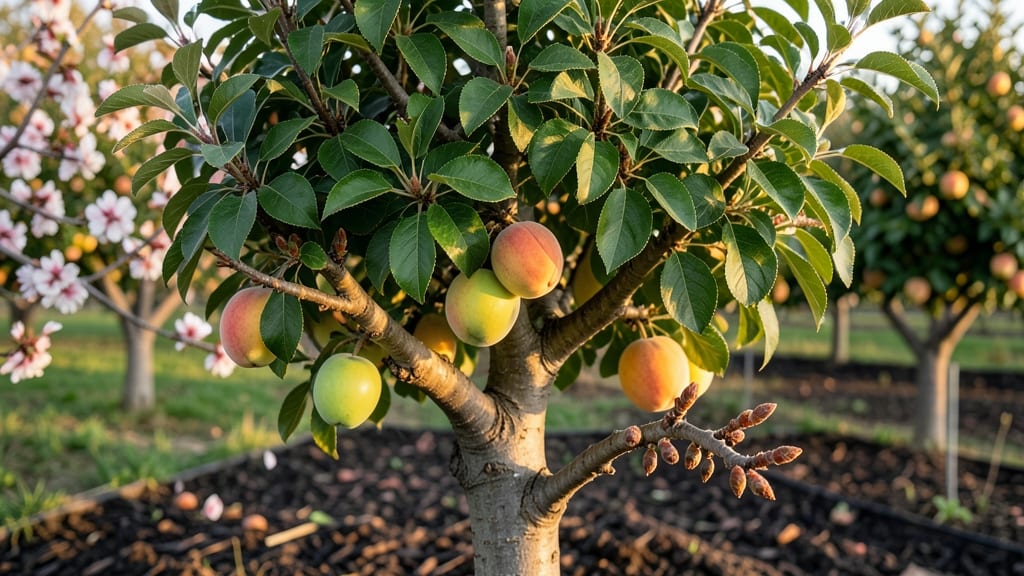
Peach trees don't produce fruit every year—they follow alternating heavy and light bearing cycles, with young trees often waiting 2-5 years for their first harvest and mature trees yielding more abundantly every other year to conserve energy.
This natural pattern isn't a flaw—it's how peach trees manage their resources. 🌳 When a tree produces a big crop one year, it diverts energy to flower buds for the next season, which can lead to lighter yields if the tree isn't properly cared for.
The good news? With the right pruning, fertilization, and watering schedule, you can help your tree find a more balanced rhythm. I've seen trees that follow this cycle more consistently when given consistent care during their dormant season.
What's fascinating is how temperature plays a role: peach trees need chill hours (cold winter periods) to trigger flowering. Without enough cold exposure, they may skip fruit production entirely.
That's why gardeners in warmer climates sometimes struggle with inconsistent yields—it's not just about the tree's age but also its environmental conditions.
💡 In This Article
- Why Peach Trees Skip Fruit Production in Some Years
- Tips to Encourage Consistent Peach Tree Fruit Yields
Why peach trees skip fruit production in some years
Peach trees exhibit what scientists call "biennial bearing"—a natural cycle where they alternate between heavy and light fruit production years. This happens because trees allocate energy differently each season. After a big harvest, the tree diverts resources to flower bud formation for next year's crop rather than producing fruit.
This energy conservation mechanism ensures the tree doesn't exhaust itself, similar to how animals store fat for hibernation. 🌱 For example, a tree that produces 500 peaches one year may only yield 100-200 the following season as it rebuilds its energy reserves.
The process begins in late summer when the tree decides whether to form flower buds for next year. Environmental factors like temperature fluctuations, day length, and water availability influence this decision. Peach trees need 400-800 chill hours (temperatures between 32-45°F) to properly trigger flowering.
Without sufficient cold exposure, the tree may skip fruit production entirely. This is why peach trees in warmer climates often struggle with inconsistent yields—they might form fewer flower buds or produce smaller fruit due to inadequate winter chilling.
Stress also plays a critical role. Drought, poor soil nutrition, or pest damage can force a tree into survival mode, causing it to prioritize growth over fruit production. For instance, a tree experiencing water stress during summer may produce 30-50% fewer flower buds the following spring.
The tree's hormonal balance shifts, with higher levels of stress hormones like abscisic acid inhibiting fruit development. This biological response ensures the tree's survival rather than maximizing yield.
Age matters too—young peach trees (under 3-5 years old) often take 2-3 years before their first harvest as they establish their root systems and canopy. During this time, they focus on vegetative growth rather than fruit production. Even mature trees may skip years if they're not properly cared for.
For example, a 10-year-old tree might produce 200 peaches one year and only 50 the next, depending on how well it was pruned and fertilized during the off-year.
What's fascinating is how pruning affects this cycle. Aggressive pruning after a heavy harvest can reduce flower bud formation by 40-60%, while lighter pruning helps maintain a more consistent yield.
The key is finding balance—removing 20-30% of last year's growth opens the canopy to sunlight while preserving enough flower buds for next season. This is why experienced growers time their pruning carefully, typically in late winter before buds swell.
The biennial bearing cycle isn't just about energy conservation—it's also about quality control. Trees that produce too many fruit at once often yield smaller, less flavorful peaches because the tree can't support all the developing fruit.
By alternating yields, peach trees naturally regulate fruit size and sweetness. 🍑 For example, peaches from a light-bearing year often have 20-30% more sugar content and thicker flesh compared to those from a heavy-bearing year.