
Blooming
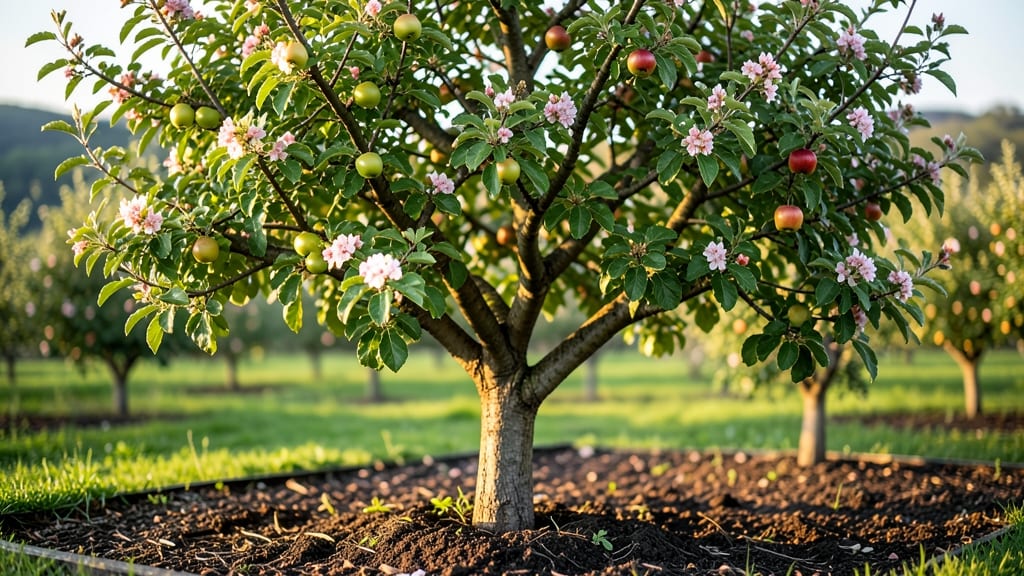
How long till apple trees produce fruit? Planting an apple tree is just the beginning—knowing when it will finally reward you with fruit can be the difference between patience and frustration. But how long until those first juicy apples appear?
Most gardeners expect 5 to 7 years for fruit production, but dwarf varieties like 🍎 Honeycrisp can surprise you with harvests in just 2 to 3 years if given the right care. Meanwhile, standard trees might take longer, especially in cooler climates like USDA Zone 6a.
Apple trees produce fruit in 3 to 5 years for dwarf varieties and up to 10 years for standard trees, depending on care and conditions.
In this guide, I’ll break down the exact timelines for different apple tree types, the key factors that speed up or slow down fruiting, and how to tell when your tree is finally ready to bear fruit.
Apple tree fruit production timeline by variety and size
Apple trees are a gardener’s long-term investment, and the wait for those first sweet apples can feel endless. But the timeline to fruit production varies dramatically depending on whether you’ve planted a dwarf, semi-dwarf, or standard variety—and even the specific apple type matters.
Early-bearing varieties like Honeycrisp might surprise you with fruit in just 3-4 years, while late-bearing types like Granny Smith could take 6-8 years or longer. Let’s break down the real timelines so you know what to expect.
The size of your apple tree is the biggest factor in how quickly it bears fruit. Dwarf varieties (6–12 ft tall) mature fastest, often producing fruit in 3–5 years, while standard trees (18–25 ft) can take 8–12 years or more.
Semi-dwarfs fall in between, typically fruiting in 5–7 years. But don’t assume all trees follow this rule—some early-bearing varieties buck the trend and deliver sooner, even in larger sizes.
| Variety Type | Mature Size | First Fruit (Years) | Best Varieties |
|---|---|---|---|
| Dwarf | 6–12 ft | 3–5 years | Honeycrisp, Fuji, Gala |
| Semi-Dwarf | 12–16 ft | 5–7 years | McIntosh, Red Delicious, Jonagold |
| Standard | 18–25 ft | 8–12+ years | Granny Smith, Braeburn, Pink Lady |
| Early-Bearing | All sizes | 2–4 years | Anna, Golden Delicious, Zestar! |
If you’re impatient for fruit, dwarf varieties are your best bet—they often produce their first apples in just 3 years. For example, a Honeycrisp dwarf tree might give you a small harvest by year 4, while a Fuji semi-dwarf could take until year 6.
The key is choosing a variety labeled as early-bearing, like Anna or Zestar!, which can fruit in as little as 2 years under ideal conditions.
Don’t let the timeline fool you—even if your tree starts producing fruit early, it may take 2–3 more years to reach full production capacity.
For instance, a dwarf Gala might yield 50 apples in year 5 but could double that by year 7. Standard trees, like Granny Smith, take longer to mature but often produce larger harvests once established.
Patience pays off, especially if you’re growing heirloom varieties that require more time to develop their signature flavors.
Climate plays a surprising role in fruiting timelines. Trees in warmer climates (USDA zones 7–9) often bear fruit 1–2 years earlier than those in colder zones (4–6), where dormancy periods delay maturation.
For example, a dwarf McIntosh in Zone 7 might fruit by year 4, while the same tree in Zone 5 could take until year 6. If you’re in a cooler region, consider cold-hardy varieties like Cortland or Empire, which adapt better to shorter growing seasons.
Another misconception is that all apple trees follow the same timeline. Columnar varieties, like Urban Apple, can produce fruit in as little as 2 years and are perfect for small spaces.
Meanwhile, semi-dwarf Granny Smiths might not fruit until year 7 or later because they prioritize tree structure over early fruiting. Always check the specific variety’s description—some nurseries label trees as "early-bearing," which can shave 1–3 years off the standard timeline.
Proper care can also accelerate fruiting. Regular pruning in the first 2 years encourages stronger branch development, while balanced fertilization (like a 10-10-10 NPK mix) ensures your tree has the nutrients it needs to fruit sooner.
Even watering deeply once a week during dry spells can help dwarf trees reach maturity faster. Neglect these steps, and your tree might take 2–3 extra years to produce fruit.
Once your apple tree starts bearing fruit, the harvest window opens between late summer and fall, typically September–October depending on your region. Early varieties like Golden Delicious ripen first, followed by Fuji and Honeycrisp. Late varieties like Granny Smith hold onto their fruit longer, often until November.
Knowing your tree’s fruiting timeline helps you plan for pollination (most apple trees need a second variety nearby) and pest control during the vulnerable fruit-setting stage.
If your apple tree isn’t
Critical factors that speed up or delay apple tree fruit production
Your apple tree's journey to fruit production isn't just about time—it's about creating the perfect growing conditions. While standard varieties often take 3-5 years to bear fruit, some dwarf varieties can produce apples in just 2 years under ideal circumstances.
The difference? A combination of climate, soil health, and proper tree care.
Climate plays a huge role in fruiting time. Apple trees need chill hours (typically 400-1,000 hours below 45°F) to trigger blossoming. In warmer climates, trees may struggle to produce fruit without proper winter chilling, while cooler regions often see faster fruiting.
Even the right variety matters—some, like Honeycrisp, bear fruit earlier than Granny Smith.
Soil quality directly impacts how quickly your tree matures. Apple trees thrive in well-draining soil with a pH between 6.0-7.0. Compacted or nutrient-poor soil can delay fruiting by years.
I've seen trees in amended soil produce fruit 1-2 years earlier than those in native clay. A simple soil test can reveal what your tree needs to thrive.
Key Factors That Impact Apple Tree Fruiting Time
- 🌡️ Climate: Trees need 400-1,000 chill hours—warmer zones may need special varieties
- 🌱 Soil Quality: Well-draining, pH 6.0-7.0 soil speeds up maturation by 1-2 years
- ✂️ Pruning: Open-center shape improves airflow and fruiting in 2-3 years
- 🐝 Pollination: Plant 2+ compatible varieties or attract bees for faster fruit set
- 💧 Watering: Deep, consistent watering during flowering/fruiting boosts yield
- 🌿 Fertilization: Balanced NPK 10-10-10 in spring promotes early fruiting
Pruning is another game-changer. Young trees often need annual pruning to develop a strong structure. I recommend an open-center shape for better airflow and sunlight penetration. Proper pruning can accelerate fruiting by 2-3 years by encouraging energy to go toward fruit production instead of excessive foliage.
Don't overlook pollination—apple trees are self-pollinating but produce more fruit with cross-pollination. Planting two compatible varieties (like Gala and Fuji) or attracting pollinators with nearby flowers can double your yield. Even a single pollinator visit increases fruit set dramatically.
Finally, tree health is non-negotiable. Regular pest monitoring and disease prevention (like copper fungicide for apple scab) keep your tree focused on growth. I've seen trees with aphid infestations delay fruiting by years—prevention is always easier than treatment. Healthy trees allocate more energy to fruit production.
With the right conditions, you could see your first apples in as little as 2 years—but patience is key. Even with perfect care, some varieties take 5 years to reach full production. The good news? Each year brings you closer to that first harvest! 🍏