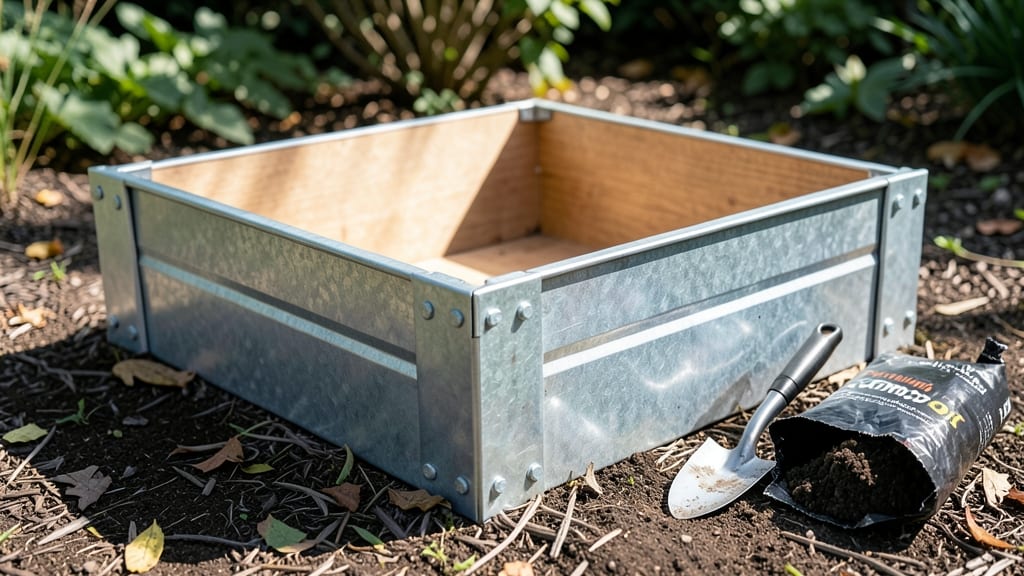
Buying guide: how to choose the right galvanized steel raised garden bed kit
1. Material Thickness and Gauge 💡
A galvanized steel raised garden bed kit's durability starts with its material thickness, measured in gauge. The lower the gauge number, the thicker (and sturdier) the steel. For example, 14-gauge steel (0.075-inch) is ideal for heavy-duty beds, while 18-gauge (0.05-inch) works for lighter, budget-friendly options.
I recommend 16-gauge (0.059-inch) for most gardeners—it balances strength and affordability. Thicker steel resists warping under heavy mulch or dense planting, but it also increases weight. If you’re growing deep-rooted veggies like tomatoes or squash, prioritize 14- or 16-gauge for long-term stability.
2. Pre-Assembly Features (Tools Required vs. Tool-Free) ⚡
Pre-assembled kits save time, but assembly ease varies widely. Look for pre-drilled holes with included hardware—this eliminates guesswork and reduces setup time to under 30 minutes. Some kits even offer tool-free assembly (e.g., snap-together walls or bus-powered connectors), perfect for beginners or renters.
Counter-intuitively, heavier-duty beds often require more tools (e.g., screws, wrenches), while budget-friendly models prioritize simplicity. If you’re new to gardening, opt for a kit with pre-assembled frames or modular designs that expand without disassembly.
3. Weather Resistance: Galvanization vs. Powder Coating ✅
Galvanized steel is rust-resistant by design, thanks to a zinc coating that protects against moisture. However, powder-coated steel adds an extra layer of defense, especially in salt-air climates or areas with harsh winters. Most pre-assembled kits use galvanization alone, which lasts 10–15 years with minimal maintenance.
For premium kits, powder coating extends lifespan to 20+ years but may cost 20–30% more. Pro tip: Avoid placing beds directly on concrete or untreated wood—use landscape fabric to prevent moisture buildup at the base, which accelerates rust.
4. Drainage and Expansion Options 🔍
Poor drainage leads to root rot and soil compaction, so prioritize beds with pre-cut weep holes in the base or removable panels for customization. Some kits include adjustable drainage systems, while others rely on gravel-filled bases.
For expansion, choose modular designs with interlocking walls—these let you add sections later without rebuilding. Urban gardeners should also check weight limits: lighter beds (18-gauge) work for balconies, while heavy-duty beds (14-gauge) need reinforced bases. Always fill beds no more than 2/3 full with soil to maintain stability.
5. Size and Weight Considerations 🛡️
Size matters for planting flexibility and mobility. A 4’x8’ bed is ideal for vegetable gardens, while 2’x4’ or 3’x6’ kits suit herbs, strawberries, or small balconies. Weight is critical: 14-gauge beds can tip 60–80 lbs empty, while 18-gauge models weigh 30–40 lbs.
If mobility is key, opt for foldable designs or lightweight alloys (though these sacrifice long-term durability). For uneven terrain, reinforced corner brackets or leveling feet prevent tipping. Pro move: Place beds on gravel or pavers to improve drainage and stability.
6. Budget vs. Longevity: Where to Splurge 💰
Budget-friendly kits (entry-level pricing) focus on 18-gauge steel and basic assembly, while mid-range options add reinforced corners and pre-cut drainage. Premium kits invest in 14-gauge steel, powder coating, and interlocking brackets—worth it if you’re growing heavy crops or plan decades of use. I recommend splurging on thickness (gauge) and weatherproofing first, then saving on size. For example, a 16-gauge 4’x8’ bed offers better value than a 18-gauge 5’x10’ for most home gardens. Always check customer reviews for real-world durability reports on rust and sagging.
Frequently asked questions
Q: Can I assemble a galvanized steel raised garden bed kit without any tools?
Some budget-friendly and mid-range galvanized steel raised garden bed kits offer tool-free assembly, using snap-together walls or bus-powered connectors. For example, the 2'x4' balcony kit and the 3'x6' foldable bed require no screws or wrenches—just snap the panels into place. However, heavier-duty or premium kits (like the 5'x10' commercial-grade bed) typically include pre-drilled holes and screws for a more secure fit. Always check the product description for specifics, as some "pre-assembled" kits still need a screwdriver for final adjustments.
Q: How do I prevent rust on my galvanized steel raised garden bed?
Galvanized steel is inherently rust-resistant due to its zinc coating, but moisture trapped at the base can still cause corrosion over time. To prevent rust, avoid placing the bed directly on concrete, untreated wood, or damp soil. Instead, use a landscape fabric barrier or elevate it slightly with gravel or pavers. For extra protection, apply a powder-coated finish (available on premium kits) or periodically check for chipped areas and touch them up with rust-inhibiting paint. Most galvanized beds last 10–15 years with minimal maintenance, while powder-coated options can exceed 20 years.
Q: What’s the best size galvanized steel raised garden bed for beginners?
For beginners, I recommend starting with a 3'x6' or 4'x4' galvanized steel raised garden bed kit. These sizes are manageable for tool-free assembly, fit well on patios or balconies, and provide enough space for herbs, salad greens, or small vegetables without overwhelming new gardeners. Larger beds (like 4'x8' or 5'x10') require more soil and maintenance, which can be daunting for first-timers. If you’re unsure, opt for a modular design (e.g., the 2'x4' balcony kit) that lets you expand later as your confidence grows.
Q: Are galvanized steel raised garden beds better than wood or plastic?
Galvanized steel raised garden beds outperform wood and plastic in durability and weather resistance. Unlike wood (which rots) or plastic (which degrades under UV exposure), steel resists pests, warping, and rust for decades with proper care. Steel beds also retain heat better, extending growing seasons, and their modular designs allow for customization (e.g., adding trellises or expanding sections). The trade-off? Steel beds are heavier and less insulating than wood, but their long-term cost savings and low maintenance make them the best investment for serious gardeners.
Q: How much soil should I use in a galvanized steel raised garden bed?
Fill your galvanized steel raised garden bed with soil up to 2/3 of its height to maintain stability and prevent warping. For example, a 10-inch-tall bed should hold about 6–8 inches of soil. Use a mix of topsoil, compost, and perlite for optimal drainage and aeration. Avoid overfilling, as excess weight can stress the frame—especially with lighter-gauge steel (18-gauge). Pro tip: Add a 1–2 inch layer of gravel or landscape fabric at the bottom to improve drainage and protect the base from moisture buildup.
Q: Can I move a galvanized steel raised garden bed once it’s assembled?
Moving a galvanized steel raised garden bed depends on its size, gauge, and design. Lighter kits (like the 18-gauge 3'x6' foldable bed) can be relocated by one person, especially if they’re empty or partially filled with soil. Heavier beds (e.g., 14-gauge 5'x10' commercial-grade) may require two people and a dolly due to their weight (often 60–80 lbs empty). For ease of movement, choose a foldable design or place the bed on wheels or casters. Always empty the bed before moving it to avoid damaging the frame or soil.
Q: Is a galvanized steel raised garden bed kit worth the investment?
Absolutely—if you prioritize durability, low maintenance, and long-term performance. While budget-friendly kits offer an affordable entry point, mid-range and premium options provide decades of rust-free service, outperforming wood or plastic alternatives. The initial cost is offset by no rot, warping, or pest damage, plus the ability to customize layouts with modular sections. For urban gardeners or those with limited space, steel beds maximize growing efficiency. If you’re serious about gardening, a galvanized steel kit is an investment piece that pays off in time and yield.