
Landscaping
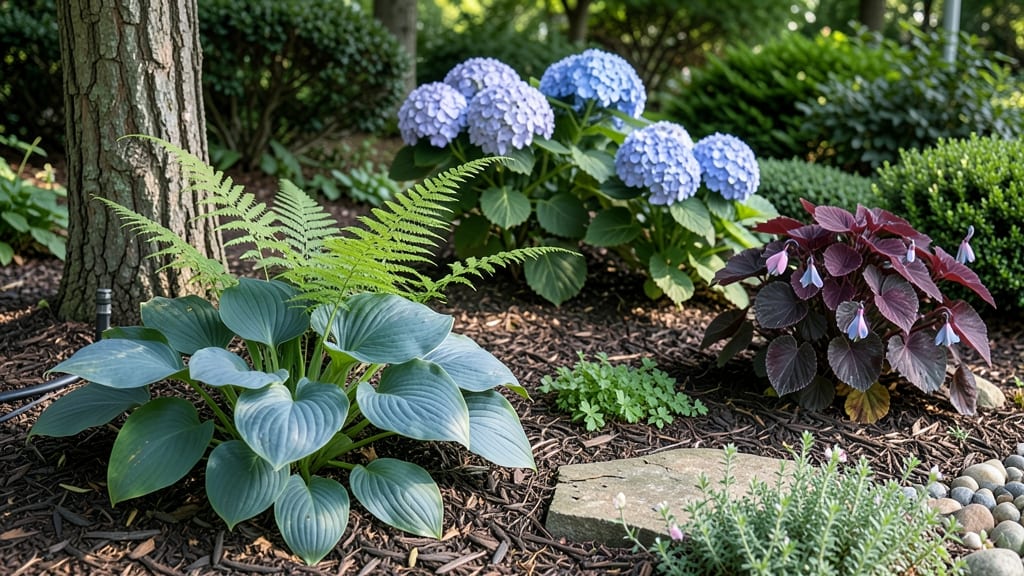
Creating flower bed ideas around trees transforms dappled shade into a showstopping garden feature. 🌿 The key is choosing plants that thrive under partial sun while protecting tree roots from damage—my first canopy garden failed when I ignored this, and the roots suffered for years.
Start with shade-tolerant perennials like hostas, astilbes, and bleeding hearts for lush foliage, plus spring bulbs like daffodils and hyacinths for early color. Space plants carefully—12-18 inches apart—to allow airflow and avoid root competition.
A 3-inch layer of mulch keeps moisture in and weeds out while shielding roots from temperature swings. By summer, you’ll have a thriving understory with layered textures and seasonal blooms. The contrast between the tree’s trunk and vibrant flowers creates a natural focal point that feels intentional, not crowded.
This design works for any mature tree—oak, maple, or even a young fruit tree. Maintenance is simple: water deeply once a week, pull weeds before they spread, and refresh mulch annually. The result? A garden that feels lush, intentional, and effortlessly beautiful—without sacrificing your tree’s health.
📚 In This Guide
- What you need
- Instructions
- Tips and common mistakes
- Wrapping up and next steps
What you need
- ● Soil amendments: Compost (2–3 cubic feet per tree)
- ● Organic mulch (4–6 inches, like shredded bark or pine straw)
- ● Plants: Shade-tolerant perennials (e.g., hostas, ferns, astilbes) – 3–5 plants per tree
- ● Bulbs (e.g., daffodils, crocuses) – 10–15 bulbs per bed
- ● Ground covers (e.g., ivy, ajuga) – 1–2 plants per square foot
- ● Edging: Flexible landscape edging (10–15 feet, depending on tree size)
- ○ Optional: Decorative stones or metal edging for a polished look
- ● Garden trowel or spade
- ● Pruners (for trimming plants)
- ● Wheelbarrow (for hauling soil/mulch)
- ● Rake (for leveling soil)
- ● Garden gloves (to protect your hands!)
- ○ Optional: Soil tester kit (to check pH levels)
- ● Clear the area of weeds/grass (use a weed barrier fabric if needed)
- ● Measure the tree’s drip line (extend 2–3 feet outward for the bed’s edge)
- ● Check for existing roots—avoid disturbing them!
How to design flower beds that thrive under tree canopies
Creating vibrant understory gardens means choosing plants that love dappled light and shallow roots.
🌿 Step 1: Assess Your Tree’s Light and Root Conditions
First, observe your tree’s canopy during different times of day. Note where dappled light (filtered sunlight with moving shadows) dominates versus deep shade (less than 2 hours of light). Most understory plants need at least 3-4 hours of dappled light daily—any less and you’ll struggle with blooms. Use a light meter or test with a white sheet: if it stays mostly dark, opt for shade-tolerant species like heuchera or hostas.
Next, check root competition. Press your finger into the soil around the tree’s drip line—if it feels rock-hard or dry, roots are aggressively spreading. In these cases, install root barriers (1/4-inch corrugated plastic) 12-18 inches deep to protect your flower bed. If soil is loose and moist, you can plant closer to the trunk, but avoid disturbing the tree’s critical root zone (the first 12-18 inches from the trunk).
🪴 Step 2: Prepare the Soil with Organic Amendments
Test your soil’s pH and fertility—understory beds often suffer from compacted, nutrient-poor soil. Amend with 3-4 inches of compost mixed into the top 6 inches of soil. For clay-heavy areas, add 1 part perlite to 3 parts compost to improve drainage. If your tree’s leaves are yellowing (a sign of iron deficiency), sprinkle chelated iron or egg shells into the bed before planting.
Create a raised bed border (6-8 inches high) using landscape fabric to contain soil and prevent erosion into the tree’s root zone. Fill with a 50/50 mix of native soil and compost—this mimics the forest floor’s natural structure. Avoid fresh mulch now; wait until plants are established to add a 3-inch layer of shredded bark to retain moisture and suppress weeds.
☀️ Step 3: Select Plants for Layered Texture and Seasonal Interest
Design in three layers: tall perennials (24-36 inches), mid-height shrubs (12-24 inches), and ground covers (3-12 inches). Start with ferns (e.g., maidenhair or ostrich) for lush foliage in deep shade, then add bloomers like bleeding heart or astilbe for spring color. For summer interest, include hydrangeas (bigleaf or oakleaf varieties)—they tolerate partial shade and produce abundant blooms. Finish with creeping phlox or ajuga to fill gaps and prevent soil erosion.
Space plants 12-18 inches apart to allow airflow and reduce competition. Group plants with similar water needs together—shade-loving perennials like foamflower need consistent moisture, while sedge or carex grasses tolerate drier conditions. Avoid competitive spreaders like mint or lamium unless you’re using them as intentional ground covers in contained areas.
💧 Step 4: Water Deeply and Establish a Mulch Routine
Water deeply once a week (1-1.5 inches) during the first two growing seasons to encourage deep root growth. Use a soaker hose placed along the bed’s edge to deliver moisture evenly without disturbing the soil. Avoid overhead watering—it wastes moisture and can promote fungal diseases in dense foliage. Test soil moisture by pressing your finger 2 inches deep; if it’s dry, water again.
Once plants are established (after 12-18 months), apply a 3-inch layer of mulch annually in early spring. Use shredded hardwood bark or pine straw—both insulate roots, retain moisture, and slowly decompose to feed the soil. Keep mulch 2-3 inches away from plant stems to prevent rot. In hot climates, reapply mulch in late summer to protect roots during heatwaves.
✂️ Step 5: Maintain with Seasonal Pruning and Fertilization
Prune spent blooms (deadhead) in early summer to encourage a second flush of flowers. For shrubs like hydrangeas, cut back one-third of the oldest stems in late winter to promote new growth. Avoid heavy pruning in fall—it stimulates tender new growth that won’t survive winter. Use clean, sharp pruners and sterilize them with rubbing alcohol between cuts to prevent disease spread.
Fertilize lightly in early spring with a balanced, slow-release fertilizer (10-10-10) or compost tea. Over-fertilizing leads to leafy growth at the expense of blooms, especially in shade. Instead, top-dress with compost every 2-3 years in early spring to replenish nutrients naturally. Monitor for pests like slugs or scale insects—handpick or use neem oil as needed, applying in early evening to avoid harming pollinators.
Tips & tricks for lush canopy gardens
Between us, these insights will help you avoid the pitfalls that turn promising understory gardens into disappointing shadows.
Light Mapping: I learned this the hard way after watching three batches of shade-loving plants fail to bloom—always map your tree's light patterns for at least three days before planting. The 3-4 hours of dappled light mentioned in Step 1 should be tracked at different times of day: morning sun creates harsh shadows while afternoon light is gentler. Use a white sheet test at noon and 4 PM for accurate readings. This simple observation prevents costly mistakes with light-sensitive plants like astilbe.
Root Barrier Placement: The 12-18 inch deep root barrier installation in Step 1 is non-negotiable for aggressive root systems, but here's what nobody tells you—position it 6 inches beyond your bed's edge to create a buffer zone. I've seen roots breach barriers when installed too close, and once they're through, there's no stopping them. For extra insurance, add a 1-inch layer of hardware cloth between the soil and barrier material.
Soil Layering Strategy: When creating that 6-8 inch raised bed border in Step 2, think vertically: place the most nutrient-rich 50/50 soil-compost mix at the bottom where roots will grow deepest. The top 2 inches can be lighter, amended with perlite for better aeration. This mimics natural forest floor stratification where organic matter accumulates at different depths. The result? Plants establish faster and handle drought better.
Seasonal Plant Rotation: For continuous color, plan your three-layer design from Step 3 with seasonal swaps. Replace summer-blooming hydrangeas with winter hellebores in fall, then add spring epimediums for early interest. This maintains visual appeal year-round while keeping the same structural layers. Just mark plant locations with biodegradable plant tags so you remember what goes where each season.
Pro Tips for Flower Bed Ideas Around Trees
- Between us, these insights will help you avoid the pitfalls that turn promising understory gardens into disappointing...
- Light Mapping: I learned this the hard way after watching three batches of shade-loving plants fail to bloom—always m...
- Root Barrier Placement: The 12-18 inch deep root barrier installation in Step 1 is non-negotiable for aggressive root...
Frequently asked questions
Got questions about creating stunning flower beds around trees? You’re not alone! Here are some of the most common concerns—and their practical solutions—to help you design with confidence.
What’s the best mulch to use around trees with flower beds?
Use organic mulch like shredded bark, wood chips, or pine straw to retain moisture and suppress weeds. Avoid thick layers (2–4 inches max) to prevent root suffocation. Pro tip: Keep mulch 3–6 inches away from the tree trunk to avoid rot or pest issues.
When is the ideal time to plant flowers around a tree?
Spring (after the last frost) or early fall are the best times. These seasons give plants time to establish roots before extreme heat or cold. Bulbs (like daffodils) can go in fall, while tender perennials wait for spring.
Can I use ground covers instead of flowers around my tree?
Ground covers like hostas, ajuga, or creeping phlox thrive in dappled shade and suppress weeds. They’re low-maintenance and add texture. Just ensure they won’t outcompete the tree’s roots for water.
Why are my flowers dying near the tree?
Common culprits: root competition, poor drainage, or too much shade. Test soil moisture and aeration; if roots are shallow, add compost. Choose shade-tolerant plants (e.g., ferns, bleeding hearts) or prune nearby branches to improve light.
How do I keep critters (deer, rabbits) from eating my flower bed?
Use natural deterrents like garlic spray, physical barriers (chicken wire), or plant deer-resistant varieties (e.g., lamb’s ear, boxwood). A mix of scented herbs (lavender, rosemary) can also help.
Still stumped? Drop your specific challenge below—we’re happy to help troubleshoot!
Wrapping up and next steps
Transforming the space around your trees into a vibrant flower bed isn’t just about aesthetics—it’s about creating a thriving ecosystem that enhances your outdoor haven. From sun-loving perennials to shade-tolerant annuals, the right plants can turn dappled light into a lush, ever-changing masterpiece.
Whether you’re a seasoned gardener or just starting out, these ideas prove that even the trickiest spots can become stunning focal points.
Ready to bring your vision to life? Start small: Pick one tree and experiment with a few of these designs, then expand as your confidence grows. Grab your gardening tools, sketch a rough layout, and let your creativity bloom—your backyard (and your future garden guests!) will thank you. 🌿✨