
Pruning
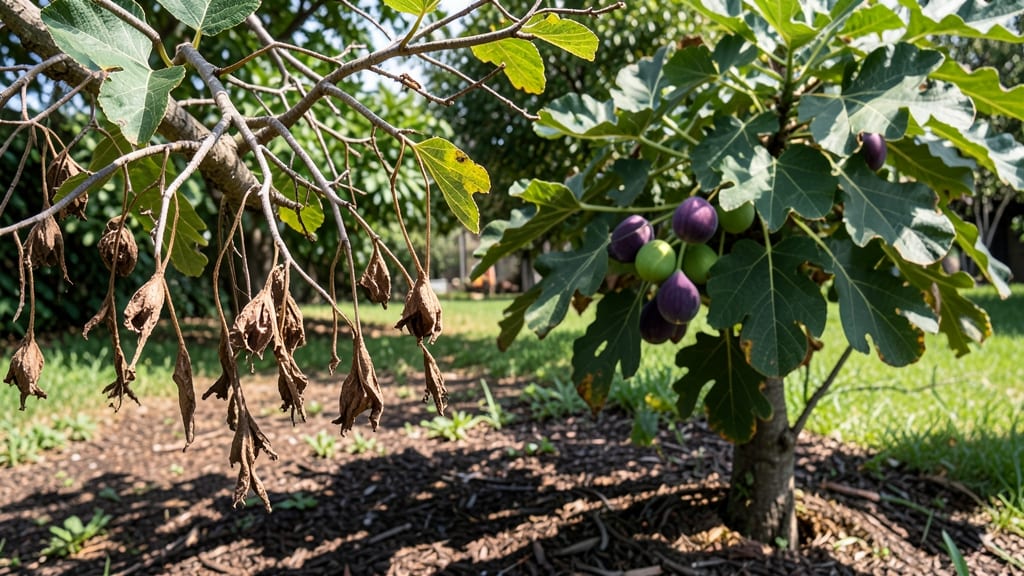
The fig tree not fruiting is missing one of three key things—sunlight, proper pruning, or the right variety. 🌿 I’ve seen figs explode with fruit after just one season of adjustments, and I’ll show you exactly what to change first to get those sweet, sun-ripened figs on your table.
The biggest culprit is usually insufficient sunlight—figs need 6+ hours of direct sun daily, or they’ll focus on leaves instead of fruit. Next, check your pruning: aggressive cuts in late winter can delay fruiting, while overgrown branches block light.
And if you’re growing a non-bearing variety (like some ornamental figs), you’ll never get fruit no matter what you do.
Start with sunlight—move your tree if needed—and prune only in late winter to encourage new growth. Within 4-6 weeks, you’ll see buds forming. For stubborn cases, a balanced fertilizer in early spring gives them the boost they need. The payoff? Juicy, honey-sweet figs by midsummer.
Works for both container and in-ground figs, and the fixes apply to all common varieties. If you’ve tried everything and still see no fruit, it might be time to consult a local nursery about your specific cultivar—or consider a more productive variety next season.
Root Causes Behind Barren Figs
Understanding why your fig tree isn’t producing fruit starts with identifying the underlying factors. Figs are resilient, but they need the right conditions to thrive—and sometimes, even small imbalances can halt fruiting. Here’s a breakdown of the most common reasons, backed by science and actionable insights.
Figs (Ficus carica) are sun-worshippers, requiring 6–8+ hours of direct sunlight daily to trigger fruiting. When deprived of adequate light, the tree diverts energy toward leaf growth instead of flower (and later, fruit) development.
- Why it happens: - Photosynthesis slowdown: Chlorophyll production drops in shade, reducing sugar synthesis—the energy figs need for fruiting. - Hormonal shifts: Low light reduces gibberellin (a growth hormone) and ethylene (which signals fruit formation), delaying or preventing fig development. - Cool climates: Figs struggle below 60°F (15°C) at night, especially during bloom (late spring).
Cold snaps can abort flowers entirely.
- Actionable fix:
- Move potted figs to a south-facing spot (Northern Hemisphere) or north-facing (Southern Hemisphere).
- Prune nearby trees/shrubs blocking sunlight.
- Use reflective mulch (like white gravel) to bounce light onto dwarf varieties.
Figs are drought-tolerant but hate soggy roots or inconsistent moisture, both of which stress the tree and halt fruiting.
- Why it happens:
- Overwatering:
- Root rot (from Phytophthora fungi) suffocates roots, cutting off nutrient/water uptake.
- Nitrogen leaching: Excess water washes away nitrates, starving the tree of energy for fruit production.
- Underwatering:
- Stress-induced dormancy: Figs conserve water by pausing growth, including flower buds.
- Blossom drop: Young figs (syconia) abort when the tree prioritizes survival over reproduction.
- Overwatering:
- Actionable fix: - Water deeply 1–2x/week (1–1.5 inches total) during dry spells, then reduce to weekly in winter. - Check soil moisture: Stick your finger 2 inches deep—water if dry.
Use a moisture meter for accuracy. - Improve drainage: Amend clay soil with perlite or compost to prevent waterlogging.
Figs need specific nutrients in the right ratios to fruit. Deficiencies or excesses throw off the balance.
| Nutrient | Role in Fruiting | Signs of Deficiency | Fix |
|---|---|---|---|
| Potassium (K) | Regulates flower/fruit development | Yellowing leaf edges, weak stems | Apply potassium sulfate (1 tbsp/gal water) every 4 weeks. |
| Phosphorus (P) | Boosts root/fruit energy | Purple stems, slow growth | Use bone meal (sprinkle around base). |
| Magnesium (Mg) | Chlorophyll production (critical for photosynthesis) | Yellow patches between leaf veins | Apply Epsom salt (1 tbsp/gal water). |
| Calcium (Ca) | Cell wall strength (prevents blossom drop) | Blossom end rot, deformed figs | Crushed eggshells or lime (1 lb/100 sq ft). |
- Why it happens:
- Over-fertilizing with nitrogen (N): Lush leaves but no flowers/fruit (the tree grows vegetatively).
- pH issues: Figs prefer 6.0–7.0 pH. Soil too acidic (<5.5) locks out nutrients like phosphorus.
- Actionable fix:
- Soil test first: Use a DIY test kit or send a sample to a local extension office.
- Balanced fertilizer: Switch to a low-N, high-P/K formula (e.g., 5-10-10) in early spring.
- Organic boost: Compost tea or worm castings improve microbial activity, aiding nutrient uptake.
Young fig trees (<3 years) focus on root/leaf growth before fruiting. Poor pruning can also signal the tree to skip reproduction.
- Why it happens: - Too young: Figs need 2–3 years to mature and fruit.
Dwarf varieties may take slightly longer. - Over-pruning: Cutting back more than 1/3 of the canopy removes energy reserves needed for figs. - Wrong cuts: Removing last year’s growth (where figs form) or pruning after bloom reduces yield.
- Actionable fix:
- Wait it out: Be patient with young trees—focus on strong structure (not fruit).
- Prune in late winter/early spring (before buds swell) to encourage new growth (and future figs).
- Shape for sunlight: Thin out crossing branches to improve air flow and light penetration.
Hidden invaders can drain your fig tree’s energy, leaving it too weak to fruit.
- Common culprits:
- Root-knot nematodes: Microscopic worms that damage roots, reducing water/nutrient absorption.
- Fig mosaic virus: Spread by aphids, causing stunted growth and deformed figs.
- Scale insects: Sap-sucking pests that weaken the tree and attract sooty mold (blocking sunlight).
- Why it happens:
- Stressed trees attract pests: Poor soil or drought makes figs vulnerable.
- Overhead watering: Keeps foliage wet, inviting fungal diseases like anthracnose (which kills flowers).
- Actionable fix:
- Inspect leaves/stems: Look for sticky residue (aphids), white cottony masses (mealybugs), or yellowing spots.
- Neem oil spray: Apply weekly during outbreaks (1 tbsp neem oil + 1 tsp soap per gallon of water).
- Beneficial predators: Release ladybugs or parasitic wasps to control soft-bodied pests.
Figs are sensitive to temperature extremes and seasonal cues. If conditions aren’t right, fruiting gets delayed or canceled.
- Why it happens: - Late frosts: Figs bloom in late spring.
A sudden cold snap (<32°F/0°C) kills flowers before they set fruit. - Heat stress: Temperatures above 95°F (35°C) can cause blossom drop or poor fig development. - Daylength sensitivity: Some varieties (like ‘Brown Turkey’) need short days (10–12 hours of light) to trigger fruiting.
- Actionable fix:
- Protect from frost: Cover trees with frost cloth during late spring blooms.
- Mulch heavily: 4–6 inches of straw or wood chips insulates roots and retains moisture.
- Choose the right variety: For hot climates, pick heat-tolerant types like ‘Celeste’ or ‘Violette de Bordeaux’.
Revive Your Fig Tree’s Fruitfulness
Now that you understand why your fig tree might be skipping its harvest, let’s roll up our sleeves and get to work! 🌱 The good news? Most issues have simple, actionable fixes—whether it’s tweaking care habits, adjusting pruning techniques, or giving your tree a little extra TLC.
Below, we’ve mapped out practical solutions for each common cause, along with prevention tips to keep your tree thriving long-term.
Problem: Figs are sun-worshippers—too little light = no energy for fruit production. Solution:
- 🔥 Move It (If Potted): Place your fig tree in a south- or west-facing spot where it gets at least 6–8 hours of direct sunlight daily. Avoid shady corners or north-facing walls.
- 🌞 Extend Sunlight: If natural light is limited, supplement with a grow light (LED or fluorescent) for 12–14 hours/day during shorter days (fall/winter).
- 🌳 Prune Overhanging Branches: Trim nearby trees/shrubs blocking sunlight to open up the canopy.
💡 Prevention Tip:
- Choose the right spot from day one—figs in containers need full sun to fruit well. If your yard is shady, opt for dwarf varieties like ‘Little Miss Figgy’ that tolerate partial shade better but still need bright light.
Problem: Too much or too little water stresses the tree, halting fruit development. Solution:
- 👨🍳 Water Deeply, Less Often: Figs hate soggy roots but also dislike drought. Water when the top 2–3 inches of soil are dry (stick your finger in to check!). For mature trees, this might mean 1–2 times per week in summer, less in winter.
- 🥘 Improve Drainage: If your tree is in a pot, ensure it has drainage holes and use a well-draining mix (60% potting soil, 30% perlite, 10% compost). For in-ground trees, amend heavy clay soil with sand or compost to prevent waterlogging.
- 🌧️ Mulch Like a Pro: Spread 2–3 inches of mulch (straw, wood chips) around the base (but keep it 6 inches away from the trunk to avoid rot). This retains moisture and regulates soil temperature.
✨ Pro Tip:
- Water in the morning to reduce evaporation and fungal risks. Avoid overhead watering—drip irrigation or soaker hoses deliver water right to the roots where it’s needed most.
Problem: Over-pruning, wrong timing, or neglecting dead wood can stunt fruit production. Solution:
- 🔪 Prune at the Right Time:
- 🍳 Late Winter/Early Spring (Before New Growth): Remove dead, diseased, or crossing branches to improve airflow. Cut back overly vigorous growth by 1/3 to redirect energy to fruit.
- 🌿 Summer Pruning (After Harvest): Lightly trim to shape the tree and encourage next year’s crop. Avoid heavy pruning in fall—it stimulates new growth that won’t harden off before winter.
- 👨🍳 Encourage Fruit Bearing Branches: Figs fruit on new wood, so focus on keeping healthy, non-woody growth. If your tree is leggy, prune to encourage bushier growth closer to the trunk.
- 🌳 Remove Suckers: These aggressive shoots steal energy from fruit production. Cut them off at the base in early spring.
🎯 Prevention Tip:
- Start pruning young trees to train a strong structure. A well-shaped fig tree = more sunlight penetration = more figs! Use clean, sharp pruners to avoid damaging branches.
Problem: Lack of key nutrients (like nitrogen, phosphorus, or micronutrients) weakens the tree’s ability to produce fruit. Solution:
- 📊 Soil Test First: Grab a DIY soil test kit (or send a sample to a local extension office) to check pH and nutrient levels. Figs prefer slightly acidic to neutral soil (6.0–7.0 pH).
- 💪 Fertilize Strategically:
- Spring (Before Growth): Use a balanced fertilizer (10-10-10) or one higher in nitrogen (like blood meal) to jumpstart foliage growth.
- Summer (After Harvest): Switch to a phosphorus-rich fertilizer (like bone meal) to boost root and fruit development.
- Fall (Light Feeding): A potassium-rich fertilizer (like greensand) helps the tree store nutrients for winter.
- 🥗 Organic Boosts: Mix in compost or worm castings around the base in early spring for a slow-release nutrient boost.
🔥 Hot Tip:
- Avoid over-fertilizing—too much nitrogen = lush leaves, no figs! Follow package instructions and water thoroughly after applying to prevent root burn.
Problem: Sap-sucking insects (like aphids or scale) or fungal issues (like root rot) drain the tree’s energy. Solution:
- 🐛 Spot & Treat Pests Early:
- 🔪 Prune & Burn: Remove heavily infested branches and dispose of them (don’t compost!).
- 🌿 Natural Sprays: Blast off soft-bodied pests (aphids, mites) with a strong spray of water. For stubborn infestations, use neem oil or insecticidal soap (follow label rates).
- 🐝 Encourage Beneficial Bugs: Ladybugs and lacewings devour pests—plant marigolds or dill nearby to attract them.
- 🌡️ Prevent Fungal Issues:
- 💧 Water at the base (not leaves) to avoid fungal spores splashing onto foliage.
- 🌳 Improve airflow by pruning dense branches—fungi thrive in humidity.
- 🍄 Treat Early: If you spot powdery mildew or root rot, apply copper fungicide or baking soda spray (1 tsp baking soda + 1 quart water + a drop of soap).
🎯 Long-Term Defense:
- Inspect your tree weekly during growing season. Catch problems early before they spread!
Need figs now?
Try these fast-acting tweaks: - 🍓 Hand-Pollinate: Figs are self-pollinating, but if your tree is indoors or in a sheltered spot, gently shake branches on warm, sunny days to help pollen spread. - 🌿 Stress Reduction: If your tree is struggling, reduce watering slightly (yes, really!) to shock it into focusing on fruit instead of foliage. - 🍎 Fruit Thinning: If your tree sets too many figs, thin them to 6–8 inches apart—this ensures larger, sweeter fruit.
Frequently asked questions
Why does my fig tree have leaves but no fruit?
Your fig tree likely isn't getting enough sunlight (6+ hours daily) or nutrients. Figs prioritize leaf growth when stressed. Check for shade from nearby plants or buildings, and test soil pH—figs thrive in 6.0-7.0 pH. A balanced fertilizer (low nitrogen) in spring can also help redirect energy to fruiting.
How long does it take for a fig tree to bear fruit?
Most fig trees take 2-3 years to mature and fruit, though dwarf varieties may take slightly longer. Young trees focus on root/leaf growth first. If yours is older than 3 years and still not fruiting, check sunlight exposure, watering habits, and pruning practices—these are the biggest delays.
Can I force my fig tree to fruit faster?
You can't rush nature, but you can optimize conditions! Move potted trees to full sun, use a phosphorus-rich fertilizer (like bone meal), and prune in late winter to encourage new growth. For container figs, hand-pollinate by gently shaking branches on warm days to help pollen spread.
What's the difference between male and female fig trees?
All common edible fig trees (Ficus carica) are self-pollinating—they don't have separate male/female plants. However, some varieties produce two crops: breba figs (early spring, from last year's growth) and main crop figs (summer/fall, from current year's growth). Prune carefully to preserve both types of branches.
Is my fig tree too old to produce fruit?
Fig trees can fruit for decades—some productive trees are 50+ years old! The real issue is usually age-related decline (thinning canopy, weaker roots). Rejuvenate by pruning to remove old wood, improving soil fertility, and ensuring full sun exposure. If the tree is completely leafless or dying, it may be time to replace it.