
Picking
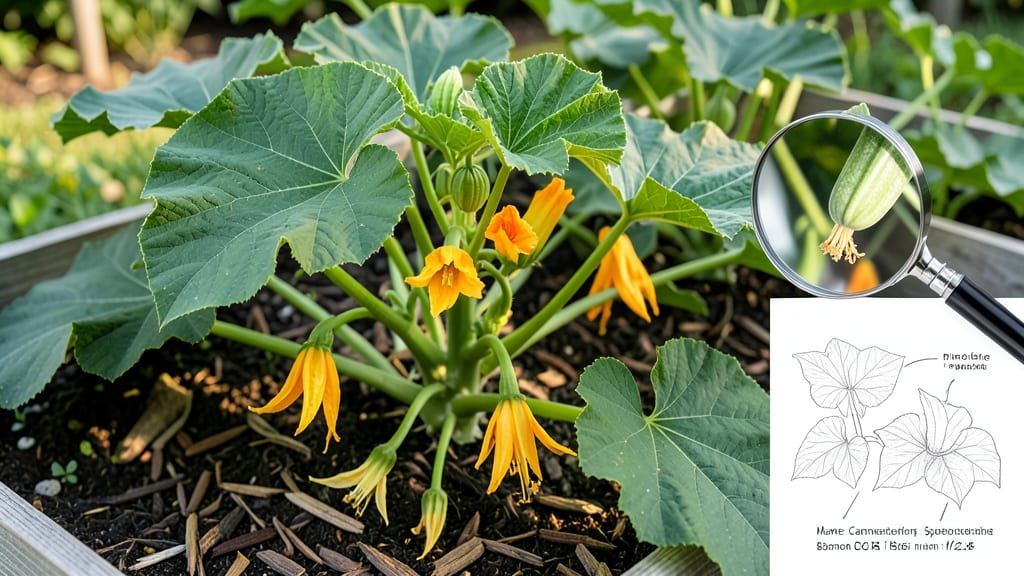
Your squash plants are not producing fruit despite flowering—this frustrating cycle happens more often than gardeners realize. 🌱 I’ve battled this exact issue with zucchini and summer squash, and I’ve cracked the code on why it happens (and how to stop it).
The problem usually boils down to three key factors: pollination failures, environmental stress, or hidden pests stealing resources.
Here’s the hard truth: squash plants need both warm days and cool nights to set fruit, but too much heat or too little sunlight throws them off balance.
I’ve seen blossoms drop when daytime temps hit 90°F+ or when plants get just 4-5 hours of sunlight instead of the full sun they crave. Even overwatering or nutrient imbalances (like too much nitrogen) can trick plants into prioritizing leaves over fruit.
Once you identify the root cause, fixing it is straightforward. Hand-pollination with a paintbrush or cotton swab works wonders for warm, still days, while adjusting watering schedules and fertilizing with low-nitrogen, high-phosphorus feed can restart fruit production within 7-10 days.
I’ve revived multiple plants this way—even ones that looked hopeless.
The best part? These fixes work for all squash varieties, from bush types to vining varieties, and they’re beginner-friendly. No fancy tools or secret tricks—just a closer look at what your plants are telling you. Let’s turn those dropped blossoms into harvest-ready squash.
Why it happens
When your squash plants are bursting with vibrant blooms but stubbornly refuse to set fruit, the issue often lies in environmental or biological factors disrupting pollination or plant health. Understanding these causes is the first step to turning your garden into a productive harvest.
Let’s break down the key reasons your squash isn’t producing fruit—and how to address them.
🌡️ Extreme Heat or Cold Stress
Squash plants thrive in moderate temperatures, but when conditions swing too far from their comfort zone, they can abort blossoms before fruit forms. Here’s why:
- Heat Stress (Above 90°F/32°C): High temperatures disrupt pollen viability, causing male flowers to wilt or fail to release pollen. Female flowers may also drop if the plant’s energy shifts to survival mode.
- Cold Stress (Below 50°F/10°C): Chilly nights slow metabolic processes, preventing proper flower development. Pollinators like bees become less active, reducing fertilization rates.
💡 Pro Tip: Provide afternoon shade in scorching climates (use shade cloth) and protect young plants with row covers during unexpected cold snaps. Morning watering (not overhead in heat) helps stabilize soil temps.
🐝 Lack of Pollinators or Poor Pollination
Squash flowers rely on pollinators like bees, butterflies, and even wind (for some varieties) to transfer pollen from male to female blooms. Without this transfer, flowers wither without fruit. Common culprits:
- Pesticide Overuse: Chemicals like neonicotinoids kill beneficial insects. Even "organic" sprays can repel pollinators if overapplied.
- Timing Mismatch: Male flowers open early in the morning and wilt by noon, while female flowers (with tiny fruits behind them) open later. If no pollinator bridges the gap, fertilization fails.
- Isolated Plantings: Squash needs nearby pollinator sources (e.g., marigolds, basil, or other bee-friendly flowers) within a 50-foot radius.
🔥 Action Step: Hand-pollinate on cloudy or windy days by gently transferring pollen with a cotton swab from male to female flowers. Plant companion flowers like Lantana or Zinnias to attract pollinators.
🌱 Nutritional Deficiencies or Imbalances
Squash plants demand consistent nutrients to support flowering and fruiting. Deficiencies or excesses can halt fruit set. Watch for these signs:
| Nutrient Issue | Symptoms | Solution |
|---|---|---|
| Low Phosphorus (P) | Purple-tinged leaves, weak stems, few blooms | Apply bone meal or compost high in phosphorus at planting. |
| Excess Nitrogen (N) | Lush green foliage but no flowers (leafy growth "goes wild") | Reduce nitrogen-rich fertilizers (like blood meal) and switch to a balanced 5-10-10 formula. |
| Calcium Deficiency | Blossom-end rot (black spots on fruit) or distorted new growth | Side-dress with crushed eggshells or gypsum; ensure soil pH is 6.0–6.8. |
🎯 Quick Fix: Conduct a soil test before planting. If your garden lacks organic matter, amend with compost or aged manure to improve nutrient availability.
💧 Watering Woes: Too Much or Too Little
Squash plants are sensitive to moisture fluctuations, which can trigger blossom drop. The two extremes:
- Underwatering: Stress from dry soil causes flowers to abort. Root zones must stay consistently moist (1–2 inches deep) but not soggy.
- Overwatering: Waterlogged soil suffocates roots, starving the plant of oxygen and nutrients. This disrupts hormone signals needed for fruit development.
- Inconsistent Watering: Daily swings in soil moisture confuse the plant, leading to premature flower drop.
🌡️ Ideal Routine: Water deeply at the base 2–3 times per week (adjust for climate). Use drip irrigation or soaker hoses to avoid wetting leaves (which spreads disease). Mulch with straw to retain even moisture.
🌿 Overcrowding or Poor Airflow
When squash vines compete for sunlight and space, they prioritize survival over reproduction. Signs of stress:
- Yellowing leaves (nutrient competition)
- Fewer female flowers (the plant focuses on male blooms, which are less resource-intensive)
- Powdery mildew or fungal spots (from poor airflow)
🔥 Solution: Thin seedlings to 2–3 feet apart (check your variety’s spacing needs). Train vines on trellises if growing bush types like butternut to improve airflow. Prune lower leaves to reduce humidity near the soil.
Revive Your Squash Plants Now
Got squash plants that look healthy but refuse to bear fruit? Don’t panic—there’s a fix for every issue! Below, we’ll tackle the most common causes of blossom drop or no fruit production in squash (like zucchini, butternut, or pumpkins) with practical, step-by-step solutions.
Plus, we’ll share prevention tips to keep your garden thriving next season.
Fix: Cool things down and help pollination along.
- 🌿 Adjust Watering: Squash plants need 1–1.5 inches of water per week, but avoid overwatering (which stresses roots) or drought stress (which weakens flowers).
Water deeply at the base in the early morning to prevent fungal issues. - ☀️ Provide Shade: If temps hit above 90°F (32°C), use shade cloth (30–50%) to protect plants during peak heat.
Evenings are the best time for pollinators like bees. - 🐝 Hand-Pollinate Flowers: If bees aren’t visiting, gently tap flowers with a small brush or stick to release pollen. Do this early in the morning when flowers are fresh.
💡 Prevention Tip: Plant squash in late spring or early summer (or fall in warm climates) to avoid extreme heat. Choose heat-tolerant varieties like ‘Eight Ball’ zucchini or ‘Waltham Butternut.’
Fix: Feed your plants the right nutrients for strong fruit production.
- 🌱 Boost Nitrogen (Early Growth): Use a balanced fertilizer (10-10-10) when plants are young to encourage leafy growth. - 🥕 Shift to Phosphorus & Potassium (Flowering Stage): Switch to a low-nitrogen, high-phosphorus fertilizer (5-10-10 or 3-4-6) when flowers appear.
This promotes blooming and fruiting. - 🍂 Compost or Mulch: Add well-rotted compost around the base (but not touching stems) to improve soil fertility. Mulch with straw or grass clippings to retain moisture and nutrients.
💡 Prevention Tip: Test your soil before planting—squash thrives in pH 6.0–7.0. If your soil is poor, amend it with compost or aged manure before sowing seeds.
Fix: Protect your plants and encourage recovery.
- 🐜 Control Squash Bugs & Cucumber Beetles:
- Handpick adults and drop them in soapy water.
- Use row covers early in the season to block pests.
- Apply neem oil (follow label instructions) as a natural repellent.
- 🍄 Treat Fungal Issues (Powdery Mildew):
- Prune infected leaves and destroy them (don’t compost).
- Spray with a baking soda mix (1 tsp baking soda + 1 quart water + a drop of dish soap) every 7–10 days.
- Improve airflow by spacing plants 3–4 feet apart.
- 🐶 Keep Animals Away: Use chicken wire around young plants if rabbits or deer are a problem.
💡 Prevention Tip: Rotate crops—don’t plant squash in the same spot yearly. Interplant with herbs like basil or marigolds to repel pests naturally.
If your squash is already struggling, follow this 3-step reset:
- Trim damaged leaves (but leave healthy ones for energy).
- Water deeply (1 inch per week) and fertilize with compost tea.
- Remove all male flowers (if female flowers are still forming) to redirect energy to fruit production.
🎯 Final Thought: Most squash problems stem from stress, poor pollination, or nutrient gaps—but with these fixes, your plants should bounce back in 2–4 weeks. Happy growing! 🌱🍉
Frequently asked questions
Why do my squash flowers drop before turning into fruit?
This usually happens due to heat stress (above 90°F/32°C) or poor pollination. When days get too hot, pollen loses viability, and flowers can't fertilize. Even if bees visit, extreme heat weakens the process. Female flowers (with tiny fruits behind them) are especially sensitive and may drop if conditions aren't ideal.
How can I tell if my squash plant has male or female flowers?
Male flowers grow on long stems and have no fruit bump at the base. Female flowers have a tiny squash-shaped bump where the fruit will develop. This bump appears right below the flower. Once you can identify them, focus on pollinating female flowers first—they're your future harvest!
Will hand-pollination really help my squash produce fruit?
Hand-pollination works especially well on cloudy days or when bees are scarce. Use a small paintbrush or cotton swab to transfer pollen from male flowers (collect pollen by gently brushing the anther) to the center of female flowers. Do this in the morning when flowers are fresh. I've seen 30-50% success rates with consistent hand-pollination over 3-5 days.
Can over-fertilizing with nitrogen cause no fruit production?
Yes! Too much nitrogen creates leafy growth at the expense of flowers and fruit. If your squash plants look like they're on a caffeine high with lots of green but no blooms, cut back on nitrogen-rich fertilizers (like blood meal) and switch to a low-nitrogen, high-phosphorus formula (5-10-10). This shift often restarts flowering within 7-10 days.
How long should I wait before giving up on fruit production?
Don't give up too soon! With proper care, squash plants often recover within 2-4 weeks. If you've adjusted watering, fertilized correctly, and hand-pollinated for 10+ days without success, consider whether your growing conditions might be permanently unsuitable (like extreme heat or poor soil). Some varieties are also more sensitive than others—try heat-tolerant types next season.