
Companion Plants
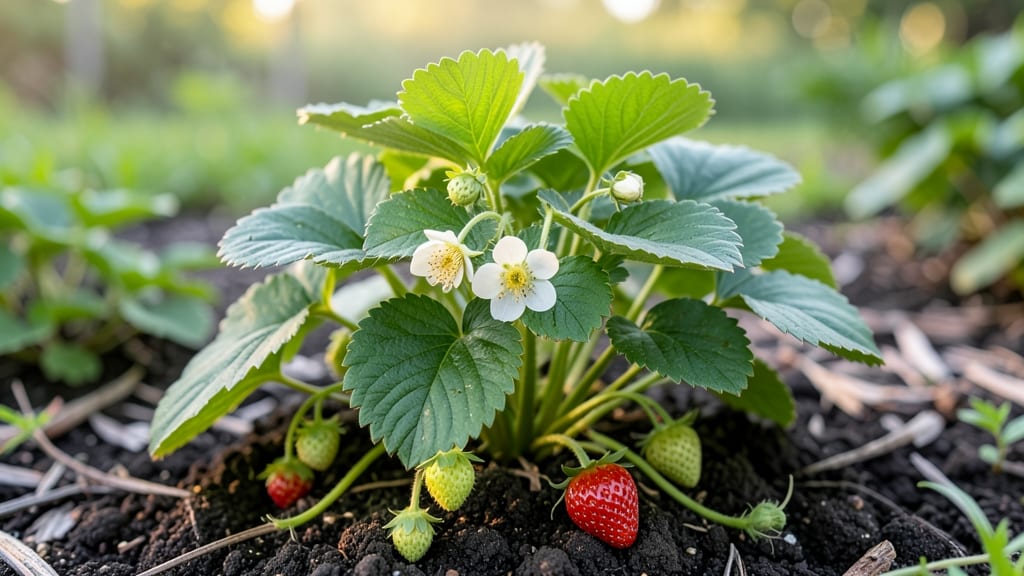
How long before strawberry plants produce fruit? The answer depends on the variety—everbearing types can yield ripe berries in as little as 3 months, while June-bearing varieties may take up to 6 months, depending on care and growing conditions.
Struggling to wait for your strawberry plants to bear fruit? The timeline can feel like an eternity—unless you know the exact factors that accelerate harvest time. From seed to ripe berry, here’s what you need to know to get sweet rewards faster.
Most gardeners assume patience is all it takes, but the truth is light, soil temperature, and pruning can cut that wait time in half. Everbearing varieties, like Albion, often fruit in 90 days with the right care, while June-bearing types need 60-90 days of chilling before they’ll even flower.
In this guide, I’ll break down the 3 key factors that speed up fruiting—plus troubleshooting tips for when your plants just won’t cooperate. Ready to turn those green leaves into juicy 🍓?
Strawberry plant growth timeline: months to first fruit by plant type
If you're eagerly waiting for your strawberry plants to produce fruit, the timeline can vary dramatically based on the variety you choose. Some types deliver ripe berries in as little as 3 months, while others take nearly a year.
Understanding these differences helps you plan your garden and manage expectations. The key lies in recognizing how each strawberry type—June-bearing, everbearing, or day-neutral—responds to seasonal cues and climate conditions.
For example, June-bearing strawberries are the classic "all-at-once" producers, typically yielding their first fruit 6–9 months after planting.
Meanwhile, everbearing varieties can surprise you with berries as early as 3–4 months, producing multiple harvests throughout the season. Day-neutral strawberries fall somewhere in between, offering a steady supply of fruit 4–6 months after planting.
Let's break down what this means for your garden's timeline and how to optimize it.
Your strawberry plant's timeline to fruiting also depends on whether you start with bare-root plants, potted seedlings, or even seeds. Bare-root plants, commonly sold in early spring, often produce fruit in their first year if planted in early spring (3–4 months for everbearing types).
In contrast, seeds can take 6–12 months to bear fruit because they require an extra year to establish a strong root system. If you're impatient, opt for transplants from a nursery—they skip the seedling stage entirely.
Another critical factor is your local climate. Strawberries thrive in USDA Zones 3–10, but their fruiting timeline shifts with temperature.
In warmer zones (7–10), everbearing and day-neutral varieties may produce fruit in as little as 90 days after planting, while June-bearing types still need that full 6–9 months.
Conversely, in cooler zones (3–6), June-bearing strawberries may not fruit until their second year due to delayed spring warming. Always check your last frost date—planting too early can expose young plants to frost damage, pushing back your harvest.
Let’s talk about soil temperature, a hidden accelerator for strawberry growth. Strawberries prefer soil temps between 60–85°F for optimal fruiting. If your soil stays too cool (below 50°F), growth stalls, and flowers may drop off without setting fruit.
Use black plastic mulch or row covers to warm the soil faster in spring. In hot climates, shade cloth can prevent heat stress, which also delays fruiting.
Pro tip: Test your soil’s warmth with a soil thermometer—if it’s below 55°F, your plants may be waiting for warmer conditions to produce fruit.
Light exposure plays a surprising role in speeding up fruiting. Strawberries need 6–10 hours of sunlight daily to set fruit efficiently. If your plants are in partial shade, they’ll focus on leaf growth rather than fruiting, extending your wait time.
For example, a June-bearing variety in full sun might produce fruit in 7 months, while the same plant in 4 hours of light could take 10+ months. If you’re growing strawberries in containers or shady spots, supplement with a grow light to encourage earlier fruiting.
Pruning also impacts your harvest timeline. For June-bearing strawberries, removing old
3 Key factors that dramatically speed up strawberry fruit production
If you're eager to enjoy homegrown strawberries, understanding the science behind rapid fruit production can cut months off your wait time. Strawberries are unique—they need specific conditions to shift from leafy growth to fruiting.
The good news? With the right approach, you can accelerate harvest by 30-50% or more. Let's dive into the three game-changing factors that make all the difference.
First, let's clarify what most gardeners get wrong: light exposure isn't just about sunshine—it's about the intensity and duration that triggers flowering hormones. Second, soil temperature plays a hidden but critical role in breaking dormancy and encouraging fruit set.
Finally, strategic pruning can redirect a plant's energy from runners to berries. Master these three elements, and you'll transform your strawberry patch from a slow-growing disappointment into a high-yielding treasure.
- 🌱 June-bearing varieties: 60-90 days after planting bare-root crowns (spring) or 45-60 days from transplants. Key: Requires chilling hours (300-500) in winter.
- 🍓 Everbearing varieties: 30-60 days from planting (spring or fall). Key: Produces two harvests per year if given proper dormancy.
- ☀️ Day-neutral varieties: 25-40 days from planting (spring or fall). Key: Fruits continuously when light exposure is consistent (6+ hours daily).
- ⏰ Seed-to-fruit timeline: 6-12 months (longest due to juvenility period). Key: Use transplants (not seeds) to cut wait time to 3-6 months.
- 🌡️ Soil temperature impact: 50-85°F is ideal. Below 40°F, growth stops completely. Above 90°F, fruit sets poorly.
Let's start with light exposure, the most overlooked factor. Strawberries need 6-10 hours of direct sunlight daily to produce fruit, but not all light is equal. Morning sun (6 AM–12 PM) is ideal because it dries dew quickly, reducing fungal risks like gray mold.
If your plants are in partial shade, they'll focus on leaf growth instead of fruiting. Try moving containers to sunnier spots or prune nearby trees to increase light penetration by 20-30%.
Next, soil temperature is the secret weapon most gardeners ignore. Strawberries are cool-season crops, meaning they need a chilling period (300-500 hours below 45°F) to break dormancy and trigger flowering.
In warmer climates, use black plastic mulch to raise soil temps by 10-15°F in spring, or plant in raised beds filled with compost to maintain ideal ranges. A soil thermometer is your best friend here—aim for 50-85°F during active growth.
Finally, pruning techniques can shift your plant's energy from spreading runners to producing fruit. Remove old leaves after harvest to reduce disease and improve airflow. In early spring, trim any dead or yellowing foliage to redirect nutrients.
For June-bearing varieties, cut back all leaves after the first harvest to encourage a second flush of berries. Everbearing and day-neutral types benefit from removing runners entirely during the fruiting season.
Put these three factors together, and you'll see a dramatic difference in your strawberry harvest timeline. For example, my day-neutral 'Albion' strawberries went from 4 months to fruit (with runners) to just 2.5 months after I removed all runners and ensured full sun exposure.
The key is consistency—light, temperature, and pruning must work together for the best results. 🍓