
Trees
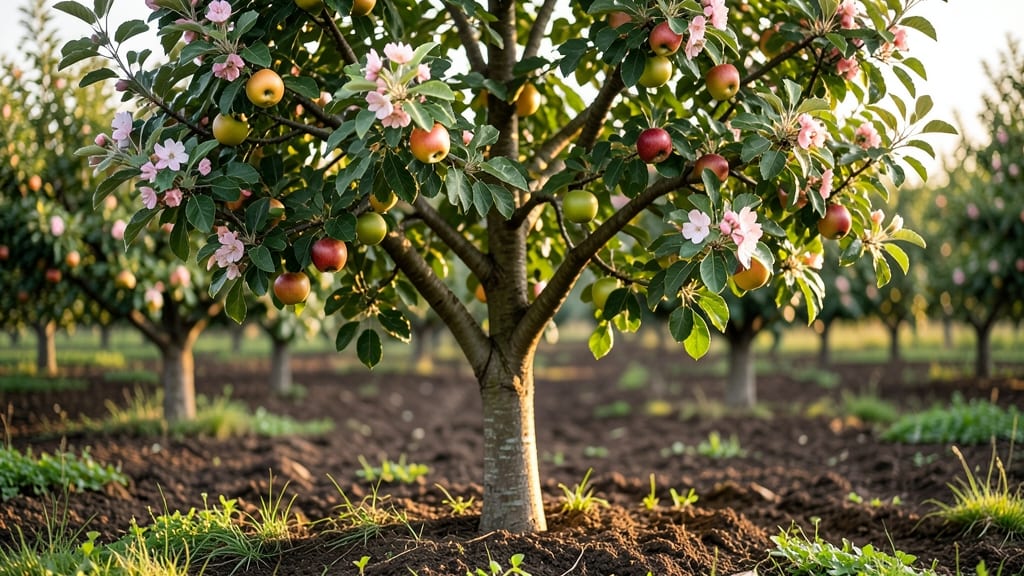
Yes, one apple tree can produce fruit, but its harvest size varies dramatically based on pollination success, the specific variety, tree age, and ongoing care—some trees yield just a handful while others produce hundreds of apples each season.
A single apple tree absolutely can bear fruit, but whether it produces just a few apples or a bountiful harvest depends on several key factors. 🍏 The tree's pollination method plays a huge role—some varieties rely on bees or wind to transfer pollen between flowers, while others are self-fertile.
Even then, factors like proper spacing between trees (when cross-pollination is needed) and the right growing conditions determine how many apples actually set fruit. Young trees typically produce less than mature ones, and proper pruning, soil health, and disease prevention all work together to maximize potential yields.
What many gardeners don't realize is that even a single tree's production can fluctuate year to year. A tree that produces 500 apples one season might yield only 100 the next due to weather conditions, pest pressure, or flowering timing.
The good news? With the right care—like consistent watering, balanced fertilization, and strategic pruning—you can significantly increase your tree's fruit-bearing capacity over time.
💡 In This Article
- How Apple Tree Pollination Affects Fruit Production
- Maximizing Apple Tree Fruit Yield: Essential Gardening Tips
How apple tree pollination affects fruit production
Apple trees produce fruit through a process called pollination, where pollen must transfer from the flower's anthers to the stigma.
Most apple varieties require cross-pollination—meaning pollen from one tree must fertilize the flowers of another compatible variety. 🐝 Bees are the primary pollinators, but wind also plays a role, especially in orchards where trees are densely planted.
Self-pollinating varieties (like 'Golden Delicious' or 'Granny Smith') can produce fruit alone, but their yields are often smaller because the pollen is less effective at fertilizing their own flowers.
Tree spacing is critical for successful cross-pollination. Apple trees need to be within 50-100 feet of another compatible variety for bees to efficiently transfer pollen. If trees are too far apart, pollination rates drop sharply, leading to fewer apples.
Some modern cultivars are sterile and require a second tree nearby—planting two different varieties ensures better fruit set. For example, a 'Honeycrisp' tree planted alone will produce almost no fruit, but paired with a 'Fuji' tree, both varieties thrive.
The timing of flowering also impacts production. Apple blossoms typically open in spring when temperatures reach 50-60°F for several days. If cold snaps or rain persist during this period, pollinators like bees are less active, reducing fertilization.
Wind-pollinated varieties fare better in dry conditions, but their success still depends on consistent weather patterns. Even with perfect pollination, only about 5-10% of flowers will develop into mature apples due to natural fruit drop—where the tree sheds excess fruit to focus resources on the strongest remaining apples.
Some apple trees produce more fruit than others due to their genetic makeup. For instance, 'McIntosh' apples are prolific producers when cross-pollinated, while 'Pink Lady' trees yield fewer apples but with higher sugar content.
The tree's age matters too—young trees (under 3-5 years) produce minimal fruit as they focus on root and branch growth, while mature trees (over 10 years) can yield 200-500 apples annually under ideal conditions.
Proper pollination sets the stage for a bountiful harvest, but without it, even the most vigorous tree may bear little to no fruit.
Understanding your tree's pollination needs is the first step to maximizing its potential. If you're planting a single tree, choose a self-fertile variety or ensure a compatible pollinator is nearby. 🌳 For example, pairing a 'Gala' tree with a 'Jonathan' tree guarantees better fruit set than planting them alone.
The right pollination strategy can turn a modest harvest into a tree that produces enough apples to share with neighbors—or even sell at local markets.