
Pests and Diseases
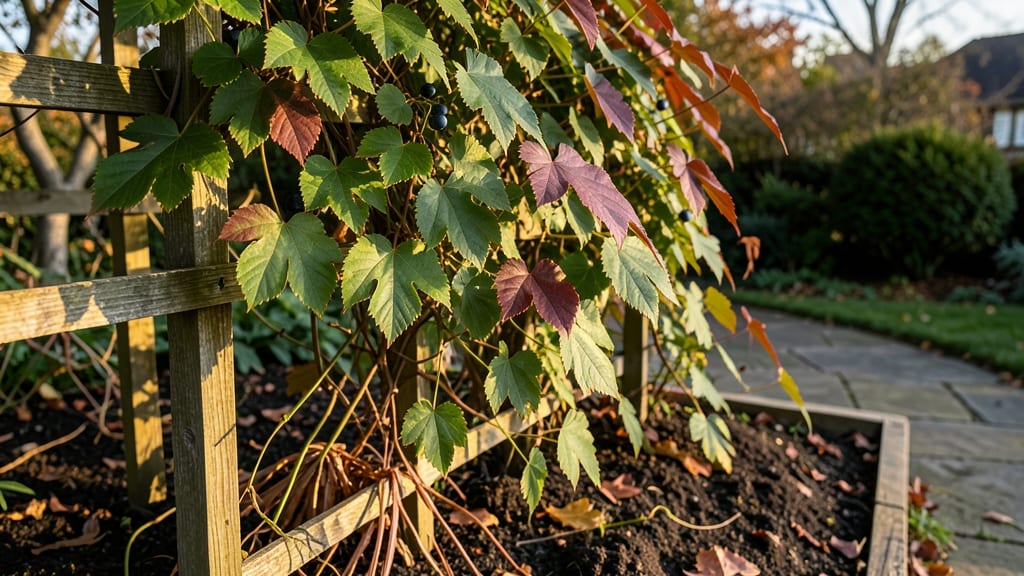
That iconic 5-lobed leaf isn’t just pretty—it’s a red flag for maple tree stress. 🌳 I’ve watched my own sugar maple develop crinkled, yellowing leaves every summer, and it always came down to the same culprits: pests, fungal infections, or environmental strain.
The good news? Most issues are fixable with the right approach.
First, identify what’s wrong: aphids cluster on undersides, tar spot fungus leaves black streaks, and verticillium wilt causes sudden browning. Maple trees thrive in moist, well-drained soil with full sun to partial shade, but they’re sensitive to drought and compacted roots.
Prune in late winter to improve airflow, and water deeply during dry spells.
You’ll see healthier foliage within 4-6 weeks of treatment—aphids vanish with a strong spray, fungal spots clear with copper fungicide, and wilted branches recover if you remove infected wood. The key is acting early before problems spread to neighboring trees.
Works for sugar, red, and silver maples, plus other trees with similar leaf shapes like boxelder. Here’s how to spot and stop the most common threats before they take over your yard.
Root Causes of Leaf Deformation
Understanding why your tree develops a 5-lobed leaf—or any abnormal leaf shape—often boils down to a mix of genetic, environmental, and pathological factors. While maple trees naturally produce lobed leaves, sudden or extreme changes in their shape can signal deeper issues.
Below, we break down the most common culprits, from natural variations to serious threats.
Some leaf deformities aren’t problems at all—they’re just part of the tree’s identity!
Maple trees (Acer spp.) are famous for their lobed leaves, and the classic 5-lobed shape is a hallmark of species like the sugar maple (Acer saccharum) or Norway maple (Acer platanoides).
- Natural variation: Even within the same species, leaf lobes can differ slightly due to genetic diversity.
Some trees may have deeper, more pronounced lobes, while others appear more rounded. - Seedling development: Young maple trees often start with simpler, less lobed leaves that gradually develop into the iconic shape as they mature. - Hybrid influence: Crossbreeding between maple species can produce unpredictable leaf patterns, including extra lobes or asymmetrical shapes.
💡 Pro Tip: If your tree’s leaves are consistently 5-lobed but otherwise healthy, it’s likely just a normal trait! Focus on monitoring for sudden changes rather than panicking over one season’s growth.
When maple trees face unusual temperature swings, drought, or poor soil, their growth patterns can go haywire. This stress often leads to stunted, malformed, or extra-lobed leaves as the tree diverts energy to survival.
- Temperature fluctuations:
- Late frosts after bud break can damage emerging leaves, causing them to grow in lopsided or underdeveloped forms.
- Heatwaves during leaf formation may speed up growth too quickly, resulting in smaller, misshapen lobes.
- Water stress:
- Drought forces the tree to conserve water, leading to thicker, leathery leaves with fewer or deeper lobes.
- Overwatering can cause root suffocation, leading to yellowing and deformed leaves as the tree struggles to photosynthesize.
- Soil nutrient deficiencies:
- Low nitrogen → Pale, small leaves with fewer lobes.
- Magnesium or potassium deficiency → Irregular lobe development and necrotic (dead) tips.
- Compacted or poor-draining soil → Root stress, which manifests as asymmetrical leaf growth.
🌡️ Quick Fix: If environmental stress is the issue, mulch around the base (2–4 inches deep) to retain moisture and improve soil aeration. Avoid overwatering—deep, infrequent watering is better than shallow, frequent soaks.
Certain fungal and bacterial diseases specifically target maple trees, altering leaf structure as they hijack the tree’s growth hormones. These infections often cause thickened, curled, or extra-lobed leaves as the pathogen spreads.
| Disease | Symptoms | Cause | Actionable Solution |
|---|---|---|---|
| Anthracnose | Dark, sunken spots; leaves may fuse or develop extra lobes early. | Gloeosporium or Elsinoe fungi in wet springs. | Prune infected branches in dormant season; apply fungicide (copper-based) at bud break. |
| Tar Spot | Black, tar-like spots; leaves may thicken and distort. | Rhytisma fungus; common in humid climates. | Remove fallen leaves to reduce spores; avoid overhead watering. |
| Bacterial Leaf Scorch | Edge browning; leaves may curl or develop irregular lobes. | Xylella fastidiosa bacteria clogs water transport. | No cure—focus on stress reduction (watering, mulching). Remove severely infected trees. |
| Verticillium Wilt | Yellowing between veins; leaves may shrivel or grow abnormally. | Verticillium fungus in soil; spreads via roots. | Improve drainage; plant resistant species (e.g., silver maple). |
⚠️ Warning Sign: If leaves are sticky, oozing, or covered in mold, bacterial or fungal infections are likely. Act fast—these spread quickly in warm, moist conditions.
Insects can physically damage leaves or inject toxins that warp growth. Some pests feed on new shoots, while others lay eggs in leaf tissue, leading to deformed, lobed, or stunted leaves.
- Japanese Beetles 🐞:
- Symptoms: Skeletons leaves (chewed edges); new growth may curl or develop extra lobes.
- Why? Larvae feed on roots, while adults strip foliage, forcing the tree to compensate with abnormal regrowth.
- Solution: Handpick beetles (drop in soapy water); apply neem oil or milky spore bacteria.
- Aphids & Scale Insects 🐜:
- Symptoms: Sticky honeydew; leaves may yellow, curl, or grow asymmetrically.
- Why? These pests suck sap, starving the leaf of nutrients, leading to poor lobe development.
- Solution: Blast off with water; use insecticidal soap or horticultural oil.
- Maple Leaf Cutter Bee 🐝:
- Symptoms: Precise, circular cuts in leaf edges; extra lobes may form as the tree tries to "heal."
- Why? These bees cut leaves to line nests—harmless but unsightly.
- Solution: Install bee houses to redirect nesting; prune affected branches in late winter.
🔥 Hot Tip: Inspect the undersides of leaves for eggs, larvae, or webbing—early detection is key!
If your maple tree is near lawns, gardens, or agricultural areas, it may be exposed to drift from herbicides or soil contaminants that disrupt growth hormones.
- Herbicide drift:
- 2,4-D or glyphosate can cause cupping, curling, or extra lobes as the tree misinterprets chemical signals.
- Solution: Test soil for residues; avoid spraying nearby during bloom or leaf-out.
- Heavy metals or salt buildup:
- Road salt or industrial runoff can burn leaf edges, leading to irregular lobe formation.
- Solution: Flush soil with water (if safe); use mulch to block salt spray.
⚠️ Caution: If you’ve recently applied pesticides or fertilizers, check labels for maple tree compatibility. Some products are highly toxic to broadleaf species.
Fixing Maple Leaf Issues Fast
Dealing with pests or diseases on your maple tree’s five-lobed leaves? Don’t panic—most problems have quick, practical fixes. Below, we’ve mapped common causes to step-by-step solutions, plus prevention tips to keep your tree thriving. 🌿✨
Cause: Dark spots with yellow halos? Fungal leaf spot is likely spreading due to wet foliage or poor air circulation.
Fix It: 🔥 Remove infected leaves – Snip off and dispose of heavily spotted leaves (don’t compost them). 🍳 Apply fungicide – Use a copper-based or neem oil spray (follow label instructions) every 10–14 days until new growth appears. 👨🍳 Prune for airflow – Trim dense branches to improve sunlight and airflow around the canopy. ⏰ Water at the base – Avoid overhead watering; use a soaker hose or drip irrigation in the early morning.
Prevent It: ✨ Clean up fallen leaves – Rake and remove debris under the tree to reduce fungal spores. 🌡️ Space trees properly – Plant maples at least 15–20 feet apart to prevent overcrowding.
Cause: Skeletons of leaves? Japanese beetles chew through leaf tissue, leaving a lacy mess.
Fix It: 🔥 Handpick beetles – Drop them into soapy water (early morning is best when they’re sluggish). 🍳 Use traps strategically – Place Japanese beetle traps away from the tree (they attract more beetles if too close). 👨🍳 Spray with neem oil or pyrethrin – Apply in the late afternoon to avoid harming pollinators. ⏰ Apply milky spore – A natural bacteria treatment that kills beetle grubs in the soil (takes 2–3 years to fully work).
Prevent It: 💡 Plant repellent flowers – Marigolds, geraniums, and catnip deter beetles. 🎯 Mulch with diatomaceous earth – Sprinkle around the base to deter grubs.
Cause: Black, tar-like spots on upper leaf surfaces? Tar spot fungus thrives in humid, rainy springs.
Fix It: 🔥 Prune infected branches – Remove and destroy severely spotted leaves. 🍳 Apply fungicide in early spring – Use chlorothalonil or potassium bicarbonate spray before symptoms appear. 👨🍳 Reduce overhead watering – Water trees at the base only and avoid late-day irrigation. ⏰ Rake and dispose of leaves – Prevent spores from overwintering in leaf litter.
Prevent It: 🌡️ Improve drainage – Amend soil with compost to reduce waterlogging. ✨ Space trees for airflow – Avoid tight plantings that trap moisture.
Cause: Sticky residue (honeydew) and black sooty mold? Scale insects suck sap, weakening leaves.
Fix It: 🔥 Scrape off infestations – Use a plastic scraper or stiff brush to remove visible scales. 🍳 Apply horticultural oil – Spray in late fall or early spring (when insects are dormant). 👨🍳 Use systemic insecticide – Imidacloprid (follow label) for severe cases. ⏰ Introduce natural predators – Ladybugs and lacewings eat scale insects.
Prevent It: 💡 Inspect new plants – Quarantine recently purchased trees for 2 weeks. 🎯 Keep trees healthy – Fertilize in early spring to boost natural defenses.
Cause: Yellowing between veins? Iron or magnesium deficiency often affects maples.
Fix It: 🔥 Test soil pH – Maples prefer slightly acidic soil (pH 6.0–7.0). Adjust with sulfur (to lower pH) or lime (to raise pH). 🍳 Apply chelated iron – For yellowing (chlorosis), use iron sulfate or iron EDTA in early spring. 👨🍳 Use Epsom salt for magnesium – Dissolve 1 tbsp per gallon of water and spray leaves monthly. ⏰ Mulch with compost – Improves soil structure and nutrient availability.
Prevent It: 🌡️ Avoid compacted soil – Aerate the root zone annually. ✨ Fertilize in early spring – Use a balanced, slow-release fertilizer (10-10-10).
If 50%+ of leaves are lost, act fast:
- Water deeply – Keep soil moist but not soggy.
- Apply anti-stress spray – Seaweed extract or kelp meal boosts recovery.
- Prune dead branches – Remove brown, brittle limbs to redirect energy.
- Monitor daily – Watch for secondary pests (like borers) that exploit weak trees.
Pro Tip: 💡 When in doubt, consult a local arborist—some issues (like verticillium wilt) require professional diagnosis.
By tackling problems early and preventing recurrence, your maple’s iconic five-lobed leaves will stay lush and disease-free for years! 🌳💚
Frequently asked questions about 5-Lobed leaves
Which common trees have the classic 5-lobed leaf shape?
Maples are the most famous, with species like sugar maple (Acer saccharum) and Norway maple (Acer platanoides) showcasing this iconic shape. Boxelder trees (Acer negundo) also feature 5-lobed leaves, though their lobes are often more divided. Some roses and even certain varieties of ash trees can display similar patterns.
Why do some maple leaves develop extra lobes or asymmetrical shapes?
This usually signals stress—whether from drought, nutrient deficiencies, or pest damage. For example, Japanese beetles chew leaves, forcing the tree to grow irregular lobes as it compensates. Check for yellowing, chewed edges, or sticky residue (honeydew) to identify the cause.
Can I prune maple leaves with extra lobes to improve their shape?
Pruning won’t change the leaf’s genetic shape, but you can remove severely deformed branches to encourage healthier growth. Focus on pruning in late winter—this helps improve airflow and reduces stress. Avoid heavy pruning during active growth, as it can worsen the tree’s condition.
Are 5-lobed leaves always a sign of disease or pests?
Not always! Many maples naturally have 5-lobed leaves as part of their species traits. The key is consistency—if the shape is suddenly changing (e.g., extra lobes, curling, or yellowing), that’s when you should investigate further. Healthy trees with normal 5-lobed leaves just need proper care.
How can I tell if my tree’s leaf issues are from pests or environmental stress?
Look for clues: Pests often leave visible damage (chewed edges, holes, or sticky residue), while environmental stress causes uniform yellowing, browning, or stunted growth. Inspect the undersides of leaves for eggs or larvae, and check the soil for signs of drought or compaction.