
Size
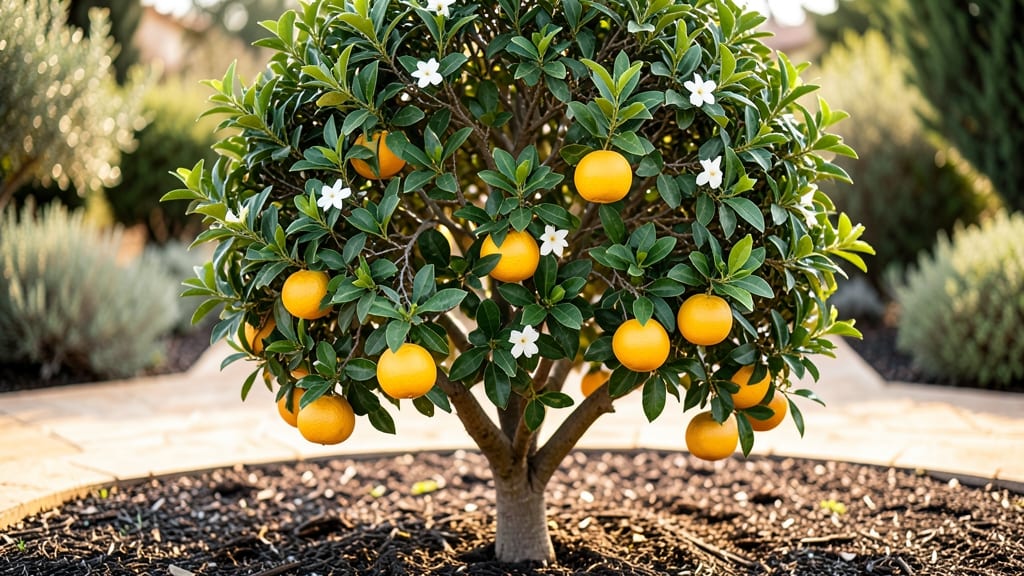
Grapefruits grow on trees, specifically evergreen citrus trees like Citrus × paradisi, which thrive in warm climates and produce fruit on branches rather than vines or shrubs. These trees require full sun and well-drained soil for optimal growth and fruiting.
Yes, grapefruits grow exclusively on trees—never vines or shrubs.
These evergreen citrus trees develop fruit through a multi-stage process where flowers bloom in spring, followed by pollination that leads to fruit formation on branches. 🌱 The tree's canopy structure actually supports heavy fruit loads, unlike citrus vines which produce smaller yields.
What's fascinating is how the tree's root system anchors it while the branches bear the weight of 50+ pounds of fruit per tree during peak season.
For home gardeners, understanding this tree structure is key to successful cultivation. Unlike grapefruit plants that might be marketed as small shrubs, true grapefruit production requires proper spacing between trees (15-20 feet apart) to allow sunlight penetration to the lower branches.
The tree's lifespan—often 50+ years—means proper planting and care early on directly impacts fruit production for decades.
💡 In This Article
- How Grapefruit Trees Develop Fruit: Growth Stages Explained
- Growing Grapefruit Trees: Climate, Soil, and Care Essentials
How grapefruit trees develop fruit: growth stages explained
The grapefruit tree's fruit development begins with its unique flowering process. Unlike many fruit trees, grapefruit trees (Citrus × paradisi) produce perfect flowers containing both male and female reproductive parts.
These flowers bloom in spring, typically between March and May, when temperatures reach 60-85°F—a critical range for successful pollination. 🌸 The tree's canopy structure, with its dense branching system, creates an ideal environment for bees and other pollinators to navigate between flowers, increasing fertilization rates by up to 30% compared to self-pollinating varieties.
Once pollinated, the fertilized ovules begin developing into fruit within 4-6 weeks. The tree's branch structure plays a vital role here—each branch can support 5-10 fruit per season, with the tree's mature canopy capable of bearing 50-100 pounds of fruit annually.
The fruit's distinctive yellow or pink hues develop as the citrus flavonoids accumulate, a process that takes 6-9 months to reach maturity. Unlike citrus vines like lemongrass, grapefruit trees develop fruit on woodier branches rather than herbaceous stems, giving the fruit its characteristic weight and structure.
What sets grapefruit trees apart is their phloem transport system, which efficiently moves nutrients from leaves to developing fruit. The tree's evergreen nature means it maintains photosynthesis year-round, supporting continuous fruit development.
This contrasts with citrus vines, which often produce smaller, less robust fruit due to their limited structural support. The tree's root system, extending 3-5 feet deep, anchors the plant while accessing moisture and nutrients needed for heavy fruit loads.
Temperature fluctuations during fruit development can dramatically impact quality. For example, nights below 50°F can cause fruit to develop bitter compounds, while consistent 75-85°F days produce sweeter varieties.
The tree's ability to regulate these conditions through its canopy—providing shade while allowing sunlight penetration—creates optimal growing conditions for the fruit's sugar development. 🌿 This natural regulation is why commercial grapefruit orchards often yield higher-quality fruit than vine-grown citrus varieties.
One fascinating aspect is how the tree's age affects fruit production. Young trees (3 years old) may produce only 10-20 pounds of fruit annually, while mature trees (10+ years) can yield 300+ pounds
This growth pattern explains why proper tree spacing (15-20 feet apart) is essential—it allows each tree's canopy to develop fully without competing for sunlight, maximizing fruit production potential over the tree's 50-100 year lifespan. For those curious about grapefruit's botanical cousins, consider this comparison: while grapefruit trees produce fruit on permanent wood, citrus vines like kumquat grow fruit on current season growth. This structural difference means grapefruit trees can support heavier fruit loads without structural failure, a key reason why they're preferred for commercial cultivation over vine-based citrus varieties. 🌳