
Trees
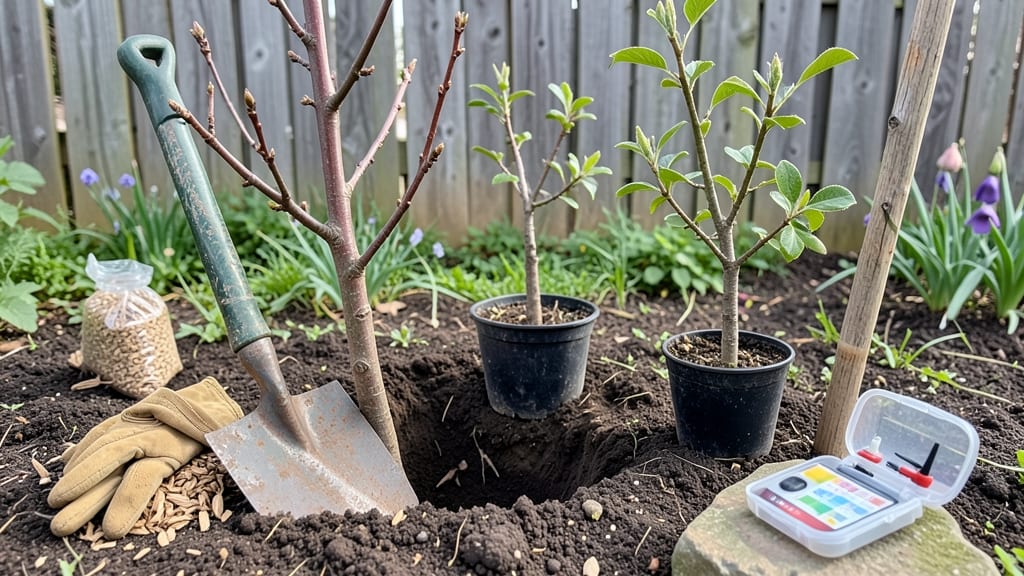
To plant fruit trees in Wisconsin, aim for early spring or early fall when soil temperatures are above 40°F—this gives roots time to establish before winter or summer stress sets in.
Wisconsin’s unpredictable winters and short growing seasons demand precision when planting fruit trees—or risk losing your investment to frost or poor establishment. A 3-week window in April or September can mean the difference between a thriving orchard and a sad, stunted tree.
Why does timing matter so much? The key is dormancy: planting while the tree is still dormant (but soil is workable) ensures roots grow before leaves demand energy.
In USDA Zones 4a-6b, this means avoiding late spring when frost can still strike or late fall when roots won’t harden in time.
Here’s what you’ll learn: the exact planting windows for Wisconsin’s most popular fruit trees, how to prep soil for best survival, and when to fertilize or prune for long-term health—so your 🍎 trees bear fruit for decades.
Wisconsin’s USDA Zones and the best months to plant fruit trees
Wisconsin spans USDA Zones 3-6, creating distinct planting windows for fruit trees. Northern regions (Zones 3-5) face colder winters, while southern areas (Zones 5-6) enjoy slightly milder conditions.
Understanding these differences helps you choose the right planting window for apples, cherries, pears, and stone fruits to ensure successful establishment.
For Zones 3-5, the narrow window between frost and soil thaw is critical. Planting too early risks frost damage, while waiting too long delays root growth. In Zones 5-6, you have more flexibility, but timing still matters to avoid summer heat stress or winter dieback.
Let’s break down the best months for each zone and fruit type.
Bare-root trees are ideal for fall planting (September-October) because they establish roots before winter dormancy. Container-grown trees, however, can be planted in early spring (April) or late fall (October), as long as the ground isn’t frozen. Choose the method that aligns with your local frost dates and soil conditions.
| USDA Zone | Best Planting Window | Fruit Type | Dormancy Timing | Key Consideration |
|---|---|---|---|---|
| Zones 3-5 (Northern WI) | Early spring (April) or early fall (September) | Apples, Pears, Tart Cherries | Late October - March | Avoid late spring planting; risk of frost damage |
| Zones 3-5 (Northern WI) | Early fall (September) only | Stone Fruits (Peaches, Plums) | Late October - March | Stone fruits are less cold-hardy; plant early fall |
| Zones 5-6 (Southern WI) | Early spring (April) or late fall (October) | Apples, Pears, Sweet Cherries | Mid-October - March | Longer growing season allows late fall planting |
| Zones 5-6 (Southern WI) | Early spring (April) only | Stone Fruits (Peaches, Apricots) | Mid-October - March | Warmer winters limit cold tolerance; spring planting preferred |
| All Zones | Year-round (container-grown) | Dwarf Varieties | Late October - March | Container trees adapt better to delayed planting |
In Zones 3-5, focus on apples and pears for fall planting, as these trees enter dormancy early. Tart cherries also thrive in northern Wisconsin but require careful site selection to avoid late spring frosts.
For stone fruits like peaches and plums, stick to early fall (September) to give roots time to establish before winter.
Southern Wisconsin’s Zones 5-6 offer more flexibility, especially for sweet cherries and peaches. These varieties benefit from late fall planting (October) because the milder winters reduce transplant shock. However, avoid planting stone fruits in late spring, as summer heat can stress young trees before they’re established.
Always check your last frost date (typically mid-April in northern WI, early April in southern WI) before planting. Use this as your guide: if the ground is workable but frost is still possible, delay planting by 2-4 weeks.
For container-grown trees, you can plant up to 2 weeks later than bare-root varieties.
Local nurseries often stock bare-root trees in early spring (March-April) and container-grown trees year-round. Call ahead to confirm availability, especially for dwarf varieties, which are popular among home gardeners. Pro tip: Plant container-grown trees in early spring (April) to maximize root growth before summer heat arrives.
One common mistake is planting too late in spring, which delays root establishment. If you miss the fall window, wait until soil temperatures reach 45°F (7°C) before planting in spring. Use a soil thermometer to check—this ensures roots won’t be shocked by cold soil.
For apples and pears, prioritize early fall (September) planting in Zones 3-5. These trees benefit from 6-8 weeks of root growth before winter dormancy. In Zones 5-6, you can extend this to late fall (October)
Critical factors that determine success: soil, weather, and tree type
Planting fruit trees in Wisconsin’s USDA Zones 3-6 requires balancing soil conditions, frost timing, and tree hardiness. One wrong move—like planting too early or ignoring soil temperature—can lead to transplant shock or winter dieback.
I’ve learned the hard way that tart cherries and peaches have vastly different needs, and skipping these checks means risking years of disappointment.
First, check your last frost date (typically mid-April in most of Wisconsin) and first frost date (mid-October). Planting bare-root trees in early spring (March-April) gives roots time to establish before summer heat, while container-grown trees can go in until early fall (September).
But timing alone isn’t enough—your soil temperature must be above 40°F for roots to grow.
⚠️ CALLOUT WARNING
- Planting too early – Soil below 40°F stunts root growth (🌡️ 40°F+ required).
- Ignoring tree hardiness – Peaches (Zone 5-8) won’t survive WI winters; tart cherries (Zone 3-6) thrive.
- Skipping frost checks – Late spring frosts (after April 15) can kill new leaves on apple blossoms.
Next, match your tree type to Wisconsin’s climate. Apples and pears (Zone 3-6) handle cold well, but peaches and plums (Zone 5-8) need winter protection in northern areas. Always buy cold-hardy varieties like Honeycrisp apples or Montmorency tart cherries—they’re bred for Zone 4-5 resilience.
I once planted a Elberta peach in Zone 4 and lost it to winter—don’t make that mistake!
Your soil’s drainage and pH (6.0-7.0) are non-negotiable. Wisconsin’s clay-heavy soils often need organic matter (compost or peat moss) to improve aeration. Before planting, dig a hole twice as wide as the root ball but only as deep.
Amend the native soil with a 50/50 mix of native soil and compost. Blueberries, for example, demand acidic soil (pH 4.5-5.5), while apples prefer slightly acidic to neutral (6.0-7.0).
Finally, monitor weather patterns for 2 weeks post-planting. If unseasonable warmth triggers early growth, a late frost can devastate new leaves. Mulch with 3-4 inches of wood chips to regulate soil temperature and retain moisture.
I’ve seen apple trees recover from early frost damage when mulched properly—it’s a game-changer for first-year survival.
By combining frost dates, soil prep, and tree hardiness, you’ll give your fruit trees the best shot at thriving in Wisconsin’s challenging climate. Start with a soil test, pick the right variety, and plant when conditions align—your future harvest depends on it. 🌳