
Trees
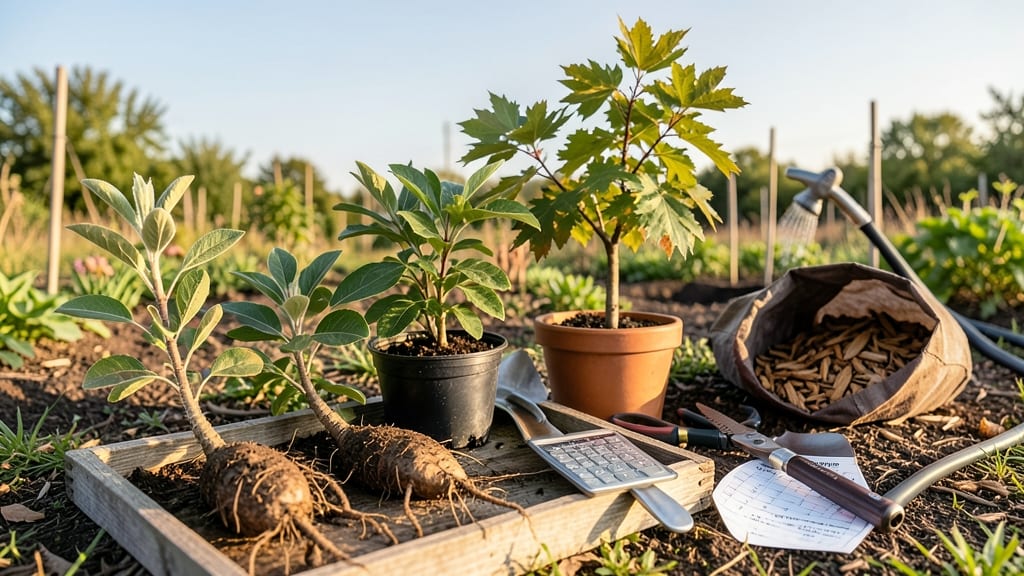
Planting fruit trees in Central Texas at the right time ensures they thrive despite the region’s brutal summers and unpredictable winters 🍎.
Miss the window, and your peach or plum tree could spend years struggling to recover. The key is planting between late February and early March, when the soil is workable but frost risks have passed.
This guide breaks down the best months by variety—from citrus to figs—and how to prep your soil for Texas’ heavy clay. We’ll also cover post-planting care to beat drought and pests.
Skip the guesswork and discover the exact schedule to grow a fruitful orchard in your backyard.
Best planting months for fruit trees in Central Texas by variety
Central Texas gardeners know the stakes: plant fruit trees at the wrong time, and you risk stunted growth or even death from our unpredictable winters or scorching summers. Most fruit trees thrive when planted in late winter to early spring, but some heat-lovers like citrus break the rules.
Let’s dive into the exact planting windows for your favorite Central Texas fruit trees to ensure a bountiful harvest.
Understanding USDA Zones 8a-9a is key—these zones cover Austin, San Antonio, and Waco, where last frost dates hover around February 15. This timing gives young roots time to establish before summer heat arrives.
However, microclimates matter: urban areas may stay warmer, while rural spots can dip colder. Adjust planting dates by 2-4 weeks if your yard sits in a frost pocket or urban heat island.
Here’s the breakdown by variety, including best months, soil needs, and post-planting care to beat Central Texas’ challenges. Pro tip: Bare-root trees plant best in February-March, while container-grown trees offer more flexibility but avoid summer planting due to transplant shock.
Peaches and plums are frost-sensitive but love Central Texas’ mild winters. Plant them in February–March to avoid late frosts that can damage blossoms. These trees need well-draining soil—amend heavy clay with compost or sand to prevent root rot.
For urban gardeners, consider dwarf varieties like Bonanza peach to save space and reduce frost risks.
Figs and citrus are the rebels
Soil preparation and pre-planting checks for Texas fruit trees
Central Texas soil is famously clay-heavy, which can suffocate roots and stunt growth if not properly amended. Before planting your fruit trees, focus on improving drainage and balancing pH levels—both critical for root health and nutrient uptake.
Start by testing your soil’s pH, as most fruit trees thrive in slightly acidic to neutral conditions (pH 6.0-7.0). Citrus, for example, prefers 6.0-7.0, while peaches and plums do best at 5.5-6.5.
If your soil is too alkaline, sulfur or peat moss can help lower the pH gradually.
Next, break up compacted clay with a broadfork or tilling tool to create air pockets for roots. Mix in organic matter like compost or well-rotted manure to improve structure and moisture retention. Avoid fresh manure, which can burn roots due to high ammonia levels.
For heavy clay soils, consider adding coarse sand or perlite to enhance drainage without altering the soil’s fertility. Spread a 3-4 inch layer of mulch around the planting area to retain moisture and regulate soil temperature.
Avoid planting in low-lying areas where cold air settles, creating frost pockets that can damage young trees. Choose a well-draining site with at least 6-8 hours of sunlight daily, and ensure it’s at least 100 feet away from structures or other trees to prevent competition.
If your yard has poor drainage, consider planting on a mound or in a raised bed to keep roots aerated and reduce waterlogging risks.
| Amendment | Best For | Application Rate | Notes |
|---|---|---|---|
| Compost | All fruit trees | 2-3 inches mixed into top 12 inches of soil | Improves fertility and moisture retention |
| Coarse Sand | Clay-heavy soils | 1 part sand to 3 parts soil | Enhances drainage without altering pH |
| Peat Moss | Acid-loving trees (citrus, blueberries) | 1-2 inches mixed into soil | Lowers pH and improves aeration |
| Biochar | All fruit trees | 1 cup per planting hole | Enhances microbial activity and nutrient retention |
| Lime (Pelletized) | Alkaline soils (pH >7.0) | 1 lb per 100 sq ft | Raises pH; apply 2-3 months before planting |
One of the biggest mistakes gardeners make is over-fertilizing before planting. While balanced fertilizer (like 6-10-10) can give young trees a boost, too much nitrogen can encourage leafy growth at the expense of root development.
Instead, focus on slow-release organic fertilizers or mycorrhizal fungi to strengthen roots. Apply a light layer of fertilizer at planting time, then wait until new growth appears in spring before adding more.
Finally, inspect your planting site for pests or diseases before digging. Look for signs of nematodes, aphids, or fungal spores in the soil. If you spot issues, treat the area with neem oil or copper fungicide a few weeks before planting.
For container-grown trees, soak the roots in a mycorrhizal inoculant solution to help them establish faster in Central Texas’ harsh conditions.
With the right soil prep and pre-planting checks, your fruit trees will have the best chance to thrive in Central Texas’ challenging climate. Start early, amend wisely, and avoid common pitfalls to set your orchard up for success! 🌱