
Trees
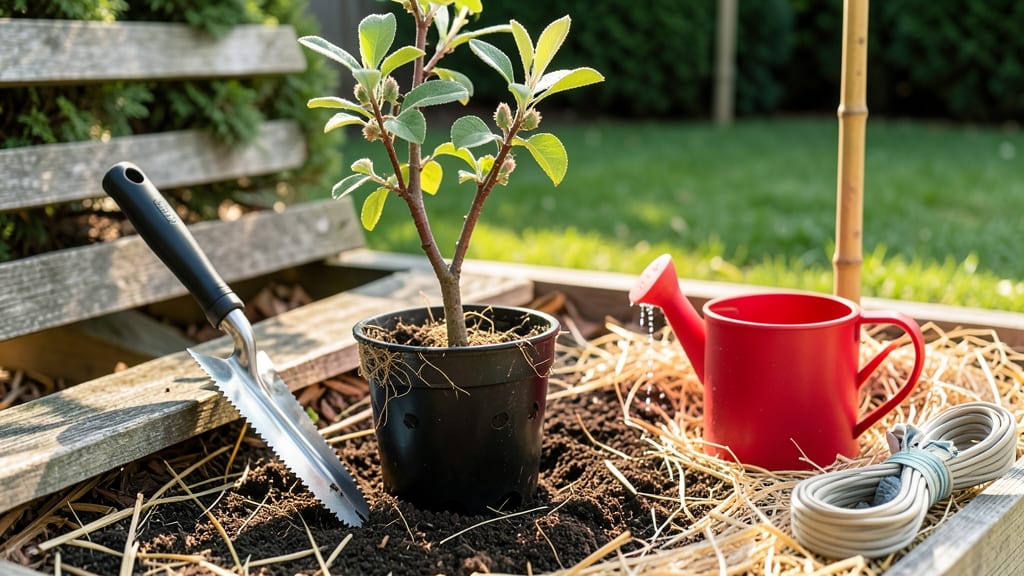
The best time to plant fruit trees in California depends on your microclimate—but late winter to early spring is the golden window for most varieties.
Picture this: you’ve picked out the perfect dwarf peach or lemon tree, only to watch it struggle because you planted it too early in a frost-prone valley or too late in a heatwave-prone coastal zone.
California’s diverse climates mean the "right time" can vary by hundreds of miles, and getting it wrong can cost you years of growth.
From the Central Valley’s chillier winters to Southern California’s mild frost-free zones, I’ll break down the exact months to plant by region—plus which varieties thrive where, and how to prep soil for long-term success. Spoiler: citrus and stone fruits have very different rules.
You’ll leave here knowing not just when to plant, but why—and how to avoid the costly mistakes that turn hopeful saplings into sad statistics.
California climate zones & optimal planting months by region
California’s diverse climate zones (USDA 5-10) create unique challenges and opportunities for fruit tree growers. From the coastal fog belts of San Francisco to the desert foothills near Palm Springs, each region demands precise timing to avoid heat stress or frost damage.
Understanding these zones helps you plant at the optimal moment—when soil temperatures are ideal and weather risks are lowest.
For example, Zone 9 in Los Angeles allows year-round planting for heat-tolerant varieties like citrus, while Zone 7 in Sacramento requires late winter planting to escape spring frosts.
The key is aligning your planting window with dormancy periods and frost-free dates, which can vary by 100+ days across the state.
Here’s how to match your location to the best planting window, complete with soil prep tips and climate risks to avoid:
Notice how Zone 8 coastal areas (like Santa Barbara) can plant in November, while Zone 7 inland valleys (like Fresno) must wait until February to avoid late-winter frosts.
This shift happens because coastal zones experience milder winters, while inland regions face colder nights and warmer days—a classic California microclimate quirk.
For Zone 9 and 10, the challenge isn’t frost but summer heat. Planting in late winter (November–December) gives roots time to establish before 100°F+ temperatures arrive. Use drip irrigation and shade cloth for young trees to prevent heat stress.
In Zone 5 and 6, focus on soil warmth—wait until soil temps reach 60°F+ (use a soil thermometer). These zones also require cold-hardy varieties, like ‘Lodi’ pear or ‘Harvest Queen’ apple, which tolerate 20°F+ chills.
Pro tip: Check the last frost date for your area via the UC Master Gardener Program’s frost-free date map. Planting 4–6 weeks after this date ensures roots establish before summer heat or winter chills strike.
Finally, soil prep varies by zone. Coastal areas (Zones 8–10) need well-draining mixes to prevent root rot, while inland zones (Zones 6–7) benefit from organic matter to retain moisture. Always test your soil’s pH—most fruit trees thrive in 6.0–7.0.
Best fruit tree varieties & their ideal planting calendar in California
California's diverse climate zones mean timing is everything when planting fruit trees. From frost-prone valleys to coastal fog belts, each region demands a tailored approach. Citrus thrives in Southern California's mild winters, while stone fruits need chill hours that only inland areas provide.
Understanding these nuances ensures your trees establish strong roots before extreme weather strikes.
I’ve planted everything from lemon trees in San Diego to peach trees in Fresno, and the difference between success and failure often comes down to a few weeks of precise timing.
For example, avocados need warm soil to avoid root rot, while apples require winter dormancy before spring growth. Let’s break down the best varieties and their exact planting windows by region.
For Southern California (Zones 9–11), citrus and subtropical fruits like avocados should go in late fall or early winter when soil is still warm but summer heat hasn’t arrived. I’ve seen lemon trees planted in December thrive because they avoid the stress of 100°F+ summers while roots establish.
In contrast, Central Valley zones (7–8) demand stone fruits planted in February to align with natural dormancy cycles.
One of my biggest lessons? Chill hours matter more than calendar months. A 'Satsuma' mandarin needs 0–300 chill hours, so it can grow in Zone 9, while a 'Gala' apple requires 500+ chill hours, making it ideal for Zone 7.
Always check your local USDA zone and variety requirements before buying—misjudging chill hours can mean no fruit production for years.
If you’re in coastal areas (e.g., Santa Barbara), you might even plant figs in November—their heat tolerance lets them handle mild winters. But inland? Wait until March to avoid late frosts. Water deeply after planting and mulch to retain moisture, especially in drought-prone regions like