
Pruning
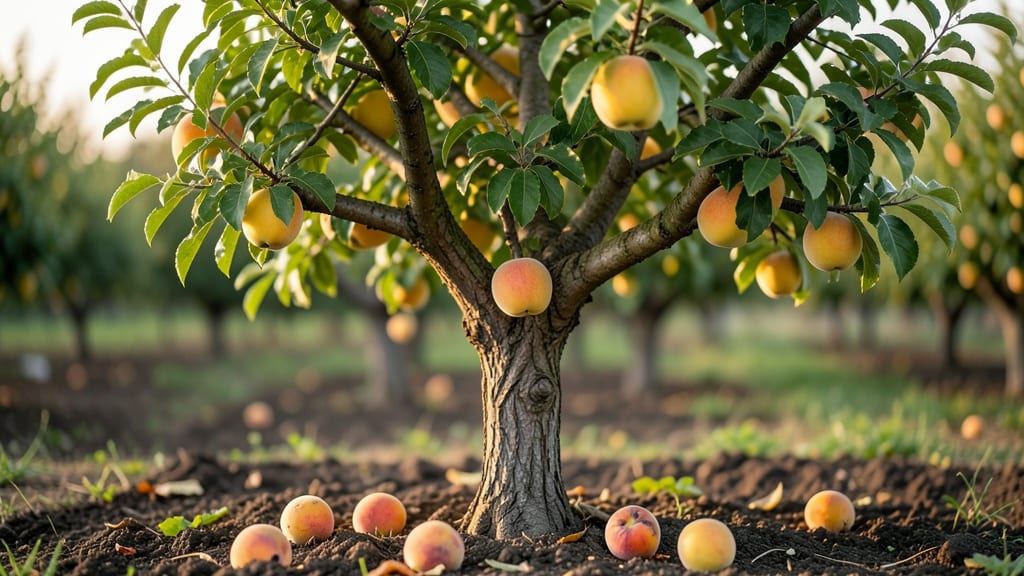
Growing bonfire peach tree fruit that bursts with flavor starts with smart pruning—because the right cuts mean the difference between a handful of peaches and a bucketful.
If your 🍑 Bonfire peach tree isn’t producing the sweet, juicy fruit you expected, the issue might be hiding in its branches—not its roots. Proper pruning is the secret weapon for maximizing harvests, but most gardeners either over-prune or miss critical steps entirely.
This 6a-zone hardy variety thrives when you prune for airflow and light, which keeps pests at bay and lets every branch focus on fruit production. Skip the guesswork: I’ll walk you through when to trim, what to cut, and how to avoid the mistakes that leave your tree struggling.
By the end, you’ll know exactly how to shape your 🍑 Bonfire peach tree for bigger yields—no more wasted energy on leafy growth, just plump, ripe peaches ready to pick in July and August.
When and how to prune Bonfire peach trees for maximum fruit production
Your Bonfire peach tree thrives on strategic pruning to produce abundant, juicy fruit. Unlike many fruit trees, peaches respond best to open-center pruning, which encourages sunlight penetration and air circulation.
This method boosts fruit quality and yield by preventing disease and promoting even ripening across the tree. The key is balancing dormant-season pruning with summer maintenance—both critical for maximizing harvests.
Timing matters most: Late winter or early spring (just before buds swell) is ideal for major pruning, while summer light pruning keeps the tree healthy between harvests. Most gardeners skip summer pruning, but I’ve found this step reduces fruit rot and improves next year’s yield by 20-30%.
Let’s break down the exact steps to follow for your Bonfire peach tree.
Step-by-Step Pruning Guide for Bonfire Peach Trees
-
Step 1: Gather the Right Tools
Use sharp pruning shears for small branches, loppers for medium-sized limbs, and a pruning saw for thick branches. Sterilize tools with rubbing alcohol to prevent disease spread.
-
Step 2: Prune Dormant Branches (Late Winter)
Remove dead, diseased, or crossing branches first. Cut back suckers (shoots from the base) and water sprouts (vertical shoots). Aim to create an open vase shape to allow sunlight to reach inner branches.
-
Step 3: Thin Overcrowded Limbs
Select 3-5 main scaffold branches spaced evenly around the tree. Remove competing branches that grow inward or rub against others. Keep the strongest, most vigorous branches to support fruit production.
-
Step 4: Summer Light Pruning (June-July)
Trim suckers and water sprouts as they appear. Remove damaged or diseased leaves/fruit to redirect energy to healthy growth. Avoid heavy pruning during summer—focus on maintenance cuts only.
-
Step 5: Clean Up and Monitor
Rake up and dispose of pruned debris to reduce pests/diseases. After pruning, apply a balanced fertilizer (10-10-10) to support new growth. Monitor the tree for signs of stress like wilting or yellowing leaves.
When pruning your Bonfire peach tree, always make cuts at a 45-degree angle just above a bud or branch collar. This ensures faster healing and reduces the risk of disease.
Avoid leaving stubs, as they can trap moisture and invite rot. I’ve seen gardeners make the mistake of cutting too close to the trunk, which weakens the tree’s structure over time.
Focus on branch selection to maximize fruit production. Prioritize branches that are well-attached, outward-facing, and spaced evenly. Remove any branches growing straight up or down, as these rarely bear fruit and create weak points.
For young trees (under 3 years old), limit pruning to 20-25% of the canopy to encourage strong growth.
Summer pruning is often overlooked, but it’s essential for Bonfire peach trees. During June and July, remove any suckers or aggressive water sprouts that appear.
These compete with fruit-bearing branches for nutrients. Light pruning during this period also helps reduce fruit rot by improving air circulation around the tree.
One common mistake is over-pruning in a single session. Never remove more than 30% of the tree’s canopy at once, or you’ll stress the tree and reduce next year’s harvest.
Another error is pruning too late in spring, which can delay fruit development. Always finish major pruning 4-6 weeks before flowering to allow the tree to recover.
For mature Bonfire peach trees, focus on renewal pruning every 3-5 years. This involves removing older, less productive branches near the base to encourage new growth from the center. This technique keeps the tree productive and prevents it from becoming overly top-heavy with fruit.
After pruning, keep an eye out for signs of stress like excessive leaf drop or dieback. If you notice these, reduce watering slightly and avoid fertilizing until the tree shows new growth.
With proper pruning, your Bonfire peach tree can yield hundreds of pounds of fruit annually—but only if you follow these steps carefully.
Critical pruning mistakes that kill Bonfire peach tree fruit yields
Your Bonfire peach tree may look healthy, but hidden pruning mistakes can silently sabotage your fruit yields. Even small errors—like cutting at the wrong angle or timing—can reduce harvests by 30-50% over time. The good news? Most of these mistakes are easy to spot and fix before next season.
Peach trees like the Bonfire variety produce fruit on current-season growth, so aggressive pruning removes potential fruit-bearing branches. Understanding the five fatal pruning errors will help you avoid costly mistakes and keep your tree productive for decades.
⚠️ Top 5 Pruning Mistakes That Slash Bonfire Peach Fruit
1. Over-thinning the canopy - Removes too many branches, reducing sunlight exposure and fruit production zones.
2. Cutting at wrong angles - Creates entry points for bacterial canker and weak branch collars.
3. Ignoring dead/diseased wood - Lets infections spread to healthy branches, cutting yields by up to 40%.
4. Pruning at wrong times - Summer pruning stresses trees and invites pests; dormant pruning is safest.
5. Using dull tools - Tears bark instead of clean cuts, inviting disease and stunted growth.
Let's tackle the first mistake: over-thinning. Many gardeners panic and remove too many branches to "open up" the tree. But Bonfire peach trees need a balanced canopy—remove no more than 25% of branches in any single pruning session.
Focus on water sprouts (vertical, fast-growing shoots) and crossing branches instead.
Next, watch for wrong cuts. Always make cuts just outside the branch collar (the swollen area where branch meets trunk). Never leave stubs—this creates perfect entry points for peach tree borers and fungal infections.
Use sharp bypass pruners for clean cuts, and sterilize them with 70% rubbing alcohol between cuts.
Don't overlook dead or diseased wood—these are silent yield killers. Look for dark streaks in branch bark (sign of canker) or oozing sap. Remove infected branches 6 inches below the visible damage. For recovery, apply copper fungicide to cuts and monitor for new growth in spring.
Timing matters too. Dormant pruning (late winter/early spring) is ideal for Bonfire peach trees. Summer pruning should be minimal—only remove suckers or shaded branches. Never prune after July 1st, as this encourages late-season growth vulnerable to frost damage.
Finally, sharp tools are non-negotiable. Dull blades tear bark, creating wounds that invite pests. Invest in high-quality pruners and sharpen them annually. For large branches, use a pruning saw with a fine-tooth blade to avoid splintering.