
How To
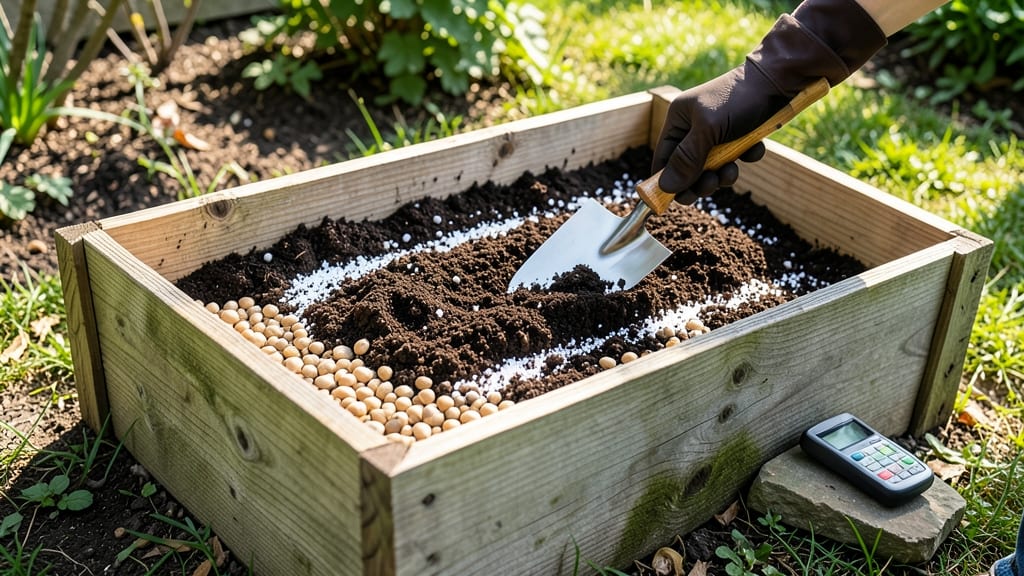
Adding to raised bed soil requires layering organic compost (2-4 inches), coarse materials like straw or wood chips (1-2 inches), and a balanced fertilizer (5-10-10) at the base. Mix in perlite or vermiculite for drainage, then finish with 2-3 inches of finished compost before planting.
Building a nutrient-rich raised bed isn't just about dumping soil—it's about creating a layered ecosystem that supports plant roots from the bottom up. 🌱 The bottom layer of coarse materials (like wood chips) prevents compaction while improving drainage, while the compost layers feed beneficial microbes that break down nutrients for your plants.
I always start with a 5-10-10 fertilizer at the base to give young plants an immediate nutrient boost, especially for heavy feeders like tomatoes or peppers. The key is balancing organic matter with drainage materials to avoid waterlogging, which can suffocate roots.
For long-term success, consider adding worm castings to the top layer—they're packed with micronutrients and improve soil structure better than regular compost alone. This layered approach mimics natural forest floor conditions, where fallen leaves decompose gradually while roots thrive in well-aerated soil.
The result? Plants that grow stronger, faster, and with fewer nutrient deficiencies.
💡 In This Article
- Best Organic Amendments for Raised Bed Soil Fertility
- Layering Techniques for Raised Bed Soil Construction
Best organic amendments for raised bed soil fertility
Organic amendments transform your raised bed from basic soil to a thriving ecosystem. Compost is the foundation—it adds 5-10% organic matter that improves water retention while preventing compaction. The decomposition process releases nitrogen (N) gradually, but it's also rich in phosphorus (P) and potassium (K) from decomposed plant materials.
For example, well-aged compost typically contains 0.5-1.5% nitrogen, which is perfect for leafy greens like lettuce or spinach that need steady nitrogen supply.
Worm castings take soil fertility to the next level by adding 2-4 times more nutrients than regular compost, plus beneficial microbes that break down organic matter faster. These castings have a higher phosphorus content (0.6-1.2%) than compost, making them ideal for root crops like carrots or beets.
The texture is silky and crumbly—almost like fine sand mixed with dark, rich humus—giving roots an ideal environment to spread without resistance. 🌿
Peat moss is another powerhouse for raised beds because it holds 10-20 times its weight in water while remaining aerated. It's particularly useful in sandy soils where water drains too quickly.
However, it's nearly neutral in nutrients (about 0.2% nitrogen), so pair it with compost to create a balanced growing medium. The downside? It's non-renewable, so consider coir (coconut fiber) as a sustainable alternative that mimics peat moss's moisture-holding properties.
Manure is a fast-acting nitrogen source, but timing matters—fresh manure can burn plants due to high ammonia levels. Composted cow or horse manure is safest, providing 1-2% nitrogen and improving soil structure. I always mix it in the bottom layers where roots won't immediately contact it, allowing time for decomposition.
The smell is earthy and rich, like a forest floor after a light rain, signaling active microbial breakdown of organic matter.
For nutrient-specific needs, alfalfa meal adds 2-3% nitrogen and fixes atmospheric nitrogen in the soil, while bone meal boosts phosphorus for flowering plants. These targeted amendments let you customize your raised bed for specific crops—like adding bone meal when planting tomatoes to encourage heavy fruit production.
The key is testing your soil first to avoid over-fertilizing, which can lead to nutrient imbalances.
Remember, the best amendments create a microbiome-rich environment. Healthy soil teems with bacteria, fungi, and protozoa that decompose organic matter and make nutrients available to plants. This living ecosystem is what turns your raised bed from a simple container into a high-performance growing system. 🌱