
Succulent
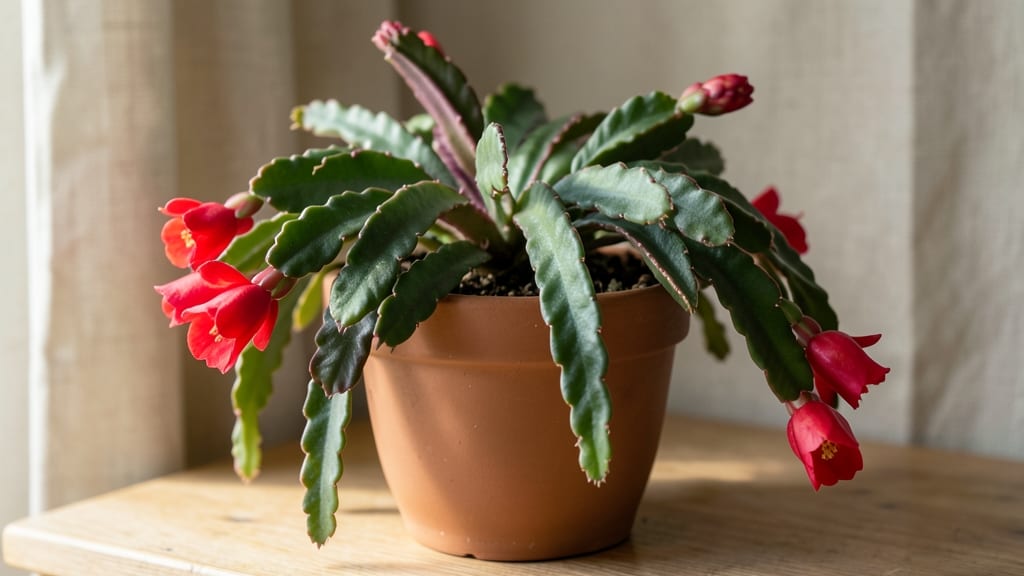
Your Thanksgiving cactus can produce fruit that arrives just in time for holiday feasts—if you know the right tricks. 🌱 The secret lies in mimicking its natural tropical rhythms, from light cycles to humidity, so those vibrant blooms turn into edible (though tart) berries by December.
Start with bright, indirect light—think east-facing windows or a grow light—since direct sun scorches the leaves. Water thoroughly when the top inch of soil dries, but never let it sit soggy.
A well-draining cactus mix with perlite keeps roots happy, and a light feeding with diluted fertilizer in spring encourages strong growth.
To coax fruit, hand-pollinate blooms with a soft brush after flowers fade. The berries take 4-6 weeks to ripen and taste like a mix of strawberry and pineapple—great for jams or garnishes, though not sweet enough to eat raw. Just watch for mealybugs or spider mites, which love dry air.
This plant thrives indoors year-round, making it perfect for apartments or sunny kitchens. With patience, you’ll have a harvest that’s as festive as it is functional—no greenhouse required.
📚 In This Guide
- What you need
- Instructions
- Tips and common mistakes
- Wrapping up and next steps
What you need
- ● Thanksgiving cactus plant – A healthy, mature plant (preferably 2–3 years old) with at least 4–5 segments per stem.
- ● Well-draining potting mix – A blend of cactus/succulent soil (60%) and perlite or orchid bark (40%) to prevent root rot.
- ● 6–8 inch terracotta or plastic pot – Ensure it has drainage holes to avoid waterlogging.
- ● Balanced liquid fertilizer – A 10-10-10 or 20-20-20 NPK ratio diluted to half-strength (e.g., 1 tbsp per gallon of water).
- ● Spray bottle – For gentle misting (especially in dry climates).
- ○ Grow lights (optional but helpful) – A full-spectrum LED bulb (12–14 hours/day) if natural light is limited.
- ● A cool, bright location – Mimic autumn conditions with 60–70°F (15–21°C) temps and indirect light.
- ● Patience & consistency – Thanksgiving cacti need 8–12 weeks of proper care to bloom.
- ● No direct sunlight – Avoid harsh midday rays, which can scorch the plant.
Step-by-Step guide to encouraging Thanksgiving cactus fruit
Here's how to coax vibrant blooms from your holiday cactus—no greenhouse required.
🌱 Step 1: Provide the Right Light Conditions
Your Thanksgiving cactus (Schlumbergera) thrives in bright, indirect light—think east-facing windows or 2-3 feet from a south window. Direct midday sun will scorch the leaves, while dim corners slow growth and delay blooming. You'll know the light is perfect when new growth appears deep green with subtle red edges and stems grow compact rather than stretched.
If your plant starts developing long, thin stems or leaves lose their color, it's a sign to move it closer to the light. Rotate the pot quarter-turn weekly so all sides receive even exposure. This prevents the plant from leaning toward the light source, which can distort its natural shape and reduce flowering potential.
💧 Step 2: Mimic Seasonal Watering Patterns
Watering is where most growers go wrong. From spring through summer, keep the soil evenly moist—water when the top inch feels dry to touch. But here's the trick: stop watering completely in late summer (around mid-August) and resume only when you see buds beginning to form (typically October). This dry period mimics the plant's natural dormancy cycle and triggers blooming.
Use room-temperature water and avoid wetting the leaves to prevent fungal issues. The pot should have drainage holes—no soggy bottoms. If your cactus develops wrinkled leaves during the dry period, it's normal. Once buds appear, resume watering when the top ½ inch of soil feels dry, but don't overdo it—soggy soil causes buds to drop.
☀️ Step 3: Create a Cool, Dark Dormancy Period
About 6-8 weeks before your target bloom date (usually late September), move the plant to a cool spot (around 55-60°F) with 12 hours of darkness daily. A basement, garage, or even a closet works—just ensure it stays consistent and cool. This mimics the cactus's natural winter rest period in its native Brazilian forests.
During dormancy, reduce watering to once every 3-4 weeks unless the soil feels completely dry. You'll notice the stems shrink slightly and leaves may lose some color—this is normal. The key is patience. If you rush this step, buds may form but won't last, or the plant might drop them prematurely. Think of it like training for a marathon: the rest period builds strength for the big event.
⏰ Step 4: Bring Back the Light and Water for Blooming
When you see tiny pink or red buds forming (usually late October), it's time to gradually reintroduce light and warmth. Move the plant back to its bright, indirect light spot and resume regular watering (when the top ½ inch of soil feels dry). Keep the environment humid—a pebble tray with water or a humidifier helps prevent buds from drying out.
Here's where it gets exciting: do not fertilize during this phase. The plant is using stored energy to produce flowers, and extra nutrients can lead to leafy growth instead of blooms. If your cactus develops new growth while flowering, it's a sign it needs more rest next year. Once buds open, enjoy the 2-3 week display—then plan for next year's cycle to start all over!
Tips & tricks for perfect Thanksgiving cactus blooms
Real talk—getting your Thanksgiving cactus to bloom reliably takes more than just hoping for the best. These small but mighty adjustments make all the difference between a sparse display and a showstopping holiday centerpiece.
Lighting Up the Right Way: That "bright, indirect light" in Step 1 isn't just about avoiding sunburn—it's about creating the perfect photosynthesis environment. I notice the most vibrant blooms come from plants that receive morning sun (before 10am) and afternoon shade. If you're using artificial grow lights, position them 6-12 inches above the plant for 12-14 hours daily during the growing season. The subtle red edges on new growth? That's your plant's way of saying "I'm happy and ready to bloom!"
Dormancy Discipline: The 6-8 week cool, dark period in Step 3 is non-negotiable for serious bloomers. I learned this the hard way after skipping dormancy one year—my cactus put out leaves instead of flowers. For extra insurance, move your plant to a spot where temperatures stay between 55-60°F night and day. A basement with a small window works perfectly, or create a DIY "dark box" with a cardboard box and a timer-controlled light (12 hours on/off). The key is consistency—fluctuating temperatures confuse the plant's internal clock.
Bud Preservation: Once those tiny pink buds appear in late October, handle them like fragile glass ornaments. The "½ inch soil dry" rule becomes critical—overwatering at this stage is the #1 reason buds drop prematurely. I use a spray bottle with room-temperature water to keep humidity up around the plant without disturbing the soil. A pebble tray with water beneath the pot (but not touching it) creates a natural humid microclimate that keeps buds plump and vibrant. And remember: no fertilizing! The plant is using its stored energy, not new nutrients, to produce flowers.
Pro Tips for Thanksgiving Cactus Fruit
- Real talk—getting your Thanksgiving cactus to bloom reliably takes more than just hoping for the best.
- Lighting Up the Right Way: That "bright, indirect light" in Step 1 isn't just about avoiding sunburn—it's about creating the perfect photosynthesis environment.
- Dormancy Discipline: The 6-8 week cool, dark period in Step 3 is non-negotiable for serious bloomers.
Frequently asked questions
Got questions about your Thanksgiving cactus fruit and its stunning blooms? You’re not alone! Here are some of the most common queries—plus quick, helpful answers to keep your plant thriving and your holiday decor show-stopping.
Why isn’t my Thanksgiving cactus flowering this year?
Your cactus needs a cool, dark period (6-8 weeks of temps below 70°F) to trigger blooms. Place it in a windowless room or basement, then return it to bright, indirect light. Patience is key—some varieties bloom after the holiday, especially if they’re young!
Can I eat the Thanksgiving cactus fruit?
Nope! While the flowers are edible (and sometimes used in teas or desserts), the fruit that follows is not safe to eat. It’s toxic due to oxalates and can cause irritation. Stick to admiring those vibrant blooms—your Thanksgiving centerpiece is best enjoyed visually (and safely)!
How long do Thanksgiving cactus flowers last?
With proper care, your cactus blooms can last 2-3 weeks—sometimes even longer! To extend their life, avoid direct sunlight (which fades petals) and keep humidity moderate. A light misting in the morning can help, but never soak the flowers.
What should I do after the flowers fade?
Once blooms wilt, trim the spent stems (use clean scissors) and fertilize lightly with a balanced succulent feed. Reduce watering slightly—overhydration stresses the plant. Your cactus will focus on recovering and may reward you with next year’s blooms if you maintain its routine!
Can I propagate my Thanksgiving cactus while it’s flowering?
Yes! The best time to propagate is after blooming, but you can gently detach offsets (pups) even during the flower phase. Just ensure the parent plant isn’t stressed—wait until new growth appears. Use well-draining soil and avoid watering for 3-5 days to prevent rot.
Wrapping up and next steps
Growing a Thanksgiving cactus isn’t just about adding a splash of color to your holiday decor—it’s a rewarding journey that connects you to nature’s timing. 🌸 With patience and care, you’ll enjoy vibrant blooms that perfectly align with your Thanksgiving feast, creating a festive atmosphere.
Whether you’re a seasoned plant parent or just starting, this succulent offers a beautiful, low-maintenance way to celebrate the season.
Now that you’re armed with tips and answers, why not take the next step? Share your progress with friends or even start a small collection of different varieties. Happy growing—and may your Thanksgiving be as bright as your blooms! 🎉