
Pests
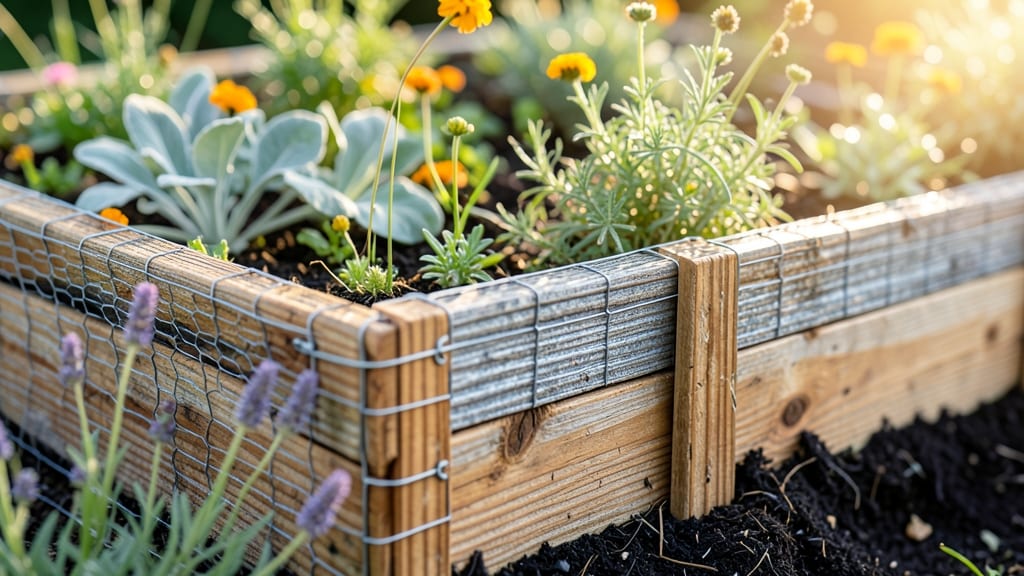
My raised garden bed with deer fence plans became the unsung hero of my first season—no more wilted hostas or vanished lettuce. 🌱 The key was designing the fence into the bed frame from day one, not bolting it on later.
Deer can jump 8 feet, but they won’t climb a 4-foot-tall barrier with tight mesh.
This system uses 8-foot cedar posts (rot-resistant) and 16-gauge hardware cloth (not chicken wire—deer tear through it). The bed itself is modular: 4×8-foot sections that fit my truck bed, with removable panels for winter storage. Plants thrive in the deep soil while staying safely elevated.
You’ll end up with a tidy, functional space that deters deer and keeps maintenance simple. The fence doubles as a trellis for beans and peas, and the bed’s height protects against slugs too. No more losing entire rows to midnight snackers.
Works for vegetable gardens, flower beds, or even a small orchard. Here’s how to build it right the first time.
📚 In This Guide
- What you need
- Instructions
- Tips and common mistakes
- Wrapping up and next steps
What you need
- ● Lumber: 2x6 or 2x8 boards (untreated cedar or redwood for longevity) – 6–8 pieces, 8 ft long
- ● Deer fence fabric: 8-ft tall hardware cloth (1/4" or 1/2" mesh) or deer-proof netting (10–12 ft wide, enough to wrap around the bed)
- ● Corner brackets: Galvanized metal brackets (4–8, depending on bed size)
- ● Screws: Deck screws (2.5–3") – ~50–75 screws
- ● Landscape fabric: Weed barrier (slightly larger than your bed footprint)
- ● Soil: High-quality garden soil or compost mix (2–3 cubic feet per square foot of bed)
- ○ Optional: Wood stain/sealant (for extra protection), gravel or pavers (for base stability)
- ● Circular saw or handsaw
- ● Drill/driver
- ● Measuring tape
- ● Level
- ● Staple gun (for securing fence fabric)
- ● Pliers or wire cutters (if using hardware cloth)
- ● Gloves and safety glasses
- ● Level ground or a flat surface (clear debris/rocks)
- ● Sunlight assessment (6+ hours/day for most veggies)
- ● Proximity to a water source (if irrigation is planned)
- ○ Optional: Sketch your bed layout (e.g., 4’x8’ or modular sections)
Step-by-step instructions for building a raised garden bed with deer protection
Here's how to create a sturdy, predator-proof growing space that keeps deer out while maximizing your garden's potential.
🪴 Step 1: Design and Prepare Your Raised Bed Layout
Measure your space and plan a 4-foot wide by 8-foot long bed (the ideal width for easy reach and deer deterrence). I like to use cedar lumber because it resists rot naturally. Sketch your layout, marking where you'll place the bed—keep it at least 3 feet from trees to prevent deer from jumping onto it.
For a 4-bed system (as promised), arrange them in a square or rectangle with 1-foot walkways between beds. This creates easy access while giving you room to move. Use a level to ensure the ground is even before building—uneven spots will make your bed wobbly over time.
🌱 Step 2: Build the Frame and Install Deer Fencing
Construct the frame using 2x6 lumber for the sides and 4x4 posts for corners. Cut 4-foot tall vertical boards for the sides, leaving a 1-foot gap at the bottom to prevent burrowing animals from entering. Attach 1-inch hardware cloth (not chicken wire—deer can tear through it) to the inside of the frame, securing it with staples.
For extra protection, extend the fencing 12 inches outward at the base and 6 inches inward at the top, bending it outward like a skirt. This deters deer from jumping over or digging under. I always bury the bottom 6 inches to stop tunneling pests too—just dig a trench first.
☀️ Step 3: Layer the Bed for Drainage and Soil
Place 2 inches of gravel at the bottom for drainage, then add 4 inches of compost mixed with 1 part perlite to lighten the mix. Fill the rest with a high-quality garden soil blend. Avoid filling completely—leave 2 inches from the top for mulch and future watering.
I like to add a thin layer of hardware cloth between the soil and compost to block voles and moles. Pack the soil lightly but firmly—you want it settled but not compacted. A wooden board pressed down helps even it out without creating air pockets.
✂️ Step 4: Secure the Fence and Add Final Protection
Wrap the outside of the frame with 1-inch mesh hardware cloth, stapling it tightly to the wood. Overlap seams by 6 inches and bury the bottom edge 6 inches deep to stop deer from digging underneath. For extra security, add 2-inch wide plastic tree guards around the top edge—deer hate the feel of them.
Install stake-out wires (thin, flexible wire) at 45-degree angles from the top corners outward. These create an invisible barrier deer won’t cross. Finally, add 3-4 inches of mulch on top to suppress weeds and retain moisture—just avoid thick layers that can suffocate roots.
🌿 Step 5: Plant and Maintain Your Deer-Proof Garden
Start with deer-resistant plants like lavender, marigolds, or rosemary along the edges—their strong scent deters browsers. Plant taller varieties in the center to block deer’s view of tasty greens. Water deeply once a week (more in dry spells) and check the fence weekly for gaps.
If you spot deer tracks or rub marks, reinforce weak spots immediately. I’ve found that hanging old CDs or aluminum pie pans from the fence also scares them off. Rotate plants seasonally to keep your garden thriving and deer confused—just don’t let any stems touch the fence, or they’ll chew them.
Tips & tricks for perfect raised garden beds with deer protection
Building a deer-resistant raised bed is all about smart design and attention to detail—here’s how to avoid common pitfalls and create a fortress for your plants.
Material Selection: Cedar lumber is your best friend for durability, but if it’s unavailable, redwood or pressure-treated pine work too. Just avoid untreated wood—it’ll rot faster and attract pests. For the hardware cloth, stick with 1-inch mesh; anything finer can get torn by determined deer, and coarser mesh leaves gaps they’ll exploit.
Fence Installation: The 12-inch outward skirt at the base is non-negotiable—deer are sneaky diggers, and this simple bend prevents them from tunneling under. When burying the hardware cloth, dig a trench first and create a slight lip inward to stop burrowing animals from crawling underneath. I’ve seen voles completely undermine a bed when this step was skipped.
Soil Layering: That 2-inch gap at the top isn’t just for aesthetics—it prevents soil from spilling over when you water, and it gives you room to add mulch later. For the compost-perlite mix, use a ratio of 4 parts compost to 1 part perlite; this keeps your soil light and well-draining while still holding moisture. A wooden board pressed down helps compress the soil evenly without compacting it too much.
Maintenance Strategy: Check your fence weekly for gaps, especially after storms. Deer can squeeze through surprisingly small openings if they’re motivated. I’ve found that hanging reflective objects like CDs or pie pans from the fence deters them—deer see the movement and get spooked. Rotate your plants seasonally to keep your garden unpredictable to browsers.
Pro Tips for Raised Garden Bed With Deer Fence Plans
- Building a deer-resistant raised bed is all about smart design and attention to detail—here’s how to avoid common pit...
- Material Selection: Cedar lumber is your best friend for durability, but if it’s unavailable, redwood or pressure-tre...
- Fence Installation: The 12-inch outward skirt at the base is non-negotiable—deer are sneaky diggers, and this simple ...
Frequently asked questions
Got questions about building a raised garden bed with deer fencing?
You’re not alone! Here are answers to the most common concerns to help you plan like a pro.
What’s the best height for a raised bed with deer fencing?
Aim for 3–4 feet tall to deter deer effectively. The fence should extend 8 inches above the bed’s height to prevent jumping. For modular beds, stack or interlock panels to reach the ideal height without extra hardware. Pro tip: Add a slight outward angle at the top (like a "deer roller") to discourage climbing.
When’s the best time to install a deer fence around my raised beds?
Install fencing before planting season—ideally in early spring or late fall—to protect seedlings and established plants. Deer are most active at dawn/dusk, so a preemptive barrier saves your garden from becoming a buffet. Bonus: If adding fencing mid-season, prioritize high-value crops first!
Can I use chicken wire instead of deer fence for a budget-friendly fix?
Not ideal! Chicken wire (1-inch mesh) is too flimsy—deer can crush it with their antlers. Opt for hardware cloth (½-inch mesh) or woven wire (4-inch mesh), buried 12 inches deep to block digging. For modular beds, pre-assembled deer fencing panels (like Vinyl Coated Wire) are worth the investment.
How do I keep my raised bed soil from drying out with a tall fence?
Tall fences can create wind shadows, trapping heat and moisture. Solutions:
- Add drip irrigation or soaker hoses to the bed’s base.
- Mulch with straw or wood chips (2–3 inches) to retain moisture.
- Plant drought-tolerant crops (e.g., kale, Swiss chard) near the fence.
What’s the easiest way to secure modular fence panels to a raised bed?
Use U-clips or zip ties for temporary setups, but for permanence, screw panels into bed frames with galvanized deck screws (rust-resistant!). For extra stability:
- Bury T-posts or concrete anchors every 6–8 feet.
- Overlap panels by 6 inches and seal gaps with landscape fabric.
Wrapping up and next steps
Building a raised garden bed with deer fence plans is a game-changer for protecting your plants while maximizing growing space! With modular designs and sturdy fencing, you’ll keep deer at bay and enjoy a thriving, organized garden.
Whether you’re a beginner or a seasoned gardener, this project is both practical and rewarding—your future harvests will thank you!
Ready to get started? Sketch your layout, gather your materials, and begin assembling your deer-proof sanctuary today! 🌱✨