
Pruning
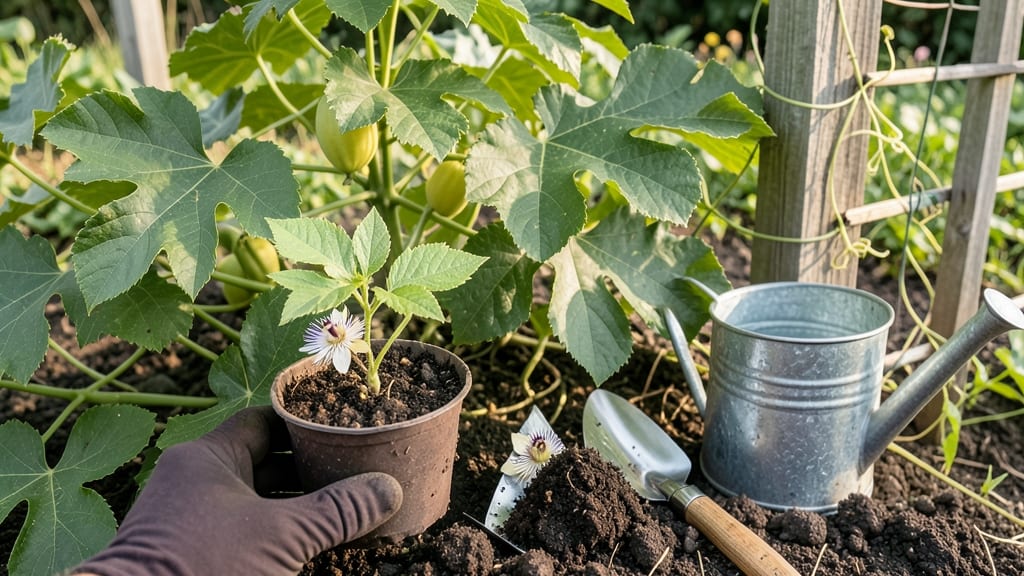
Planting passionfruit vines delivers fast harvests—sometimes even the first year if you get the timing right. 🌱 I learned the hard way that these tropical climbers need more than just sunshine; they demand the perfect soil, spot, and a little patience to establish before they reward you with those exotic, fragrant fruits.
The secret starts with well-draining soil mixed with compost—passionfruit hates soggy roots. In warmer zones (8-11), plant in late winter or early spring when the ground warms to 65°F, giving vines 6+ months to root before cooler weather slows them down.
If you're in cooler areas, start indoors in 8-inch pots 8 weeks before the last frost and transplant after all danger of frost has passed. Once planted, keep soil consistently moist (not soaked) for the first 3 months while roots establish.
A 4-6 inch layer of mulch retains moisture and keeps roots cool—critical in summer heat. You’ll see new growth within 4-6 weeks, and by late summer, you might spot those first tiny flowers (and eventually, fruit).
Avoid these rookie mistakes: planting too deep (keep crowns above soil), skipping trellises (they need 10-15 feet of vertical space), or fertilizing too early (wait until new growth appears).
With the right setup, you’ll be harvesting within 12-18 months—and trust me, the first taste of fresh passionfruit is worth every bit of effort.
📚 In This Guide
- What you need
- Instructions
- Tips and common mistakes
- Wrapping up and next steps
What you need
- ● Passionfruit vines: 3–5 healthy, disease-free plants (choose varieties like Purple Passionfruit or Sweet Granadilla for your climate).
- ● Potting mix: 10–20 lbs of well-draining, organic potting soil (or a blend of coconut coir, perlite, and compost).
- ● Container or garden bed: Containers: 5–10 gallon pots with drainage holes (1 per vine).
- ● Garden beds: Full sun (6+ hours/day), fertile soil with pH 6.0–7.5.
- ● Fertilizer: Slow-release organic fertilizer (e.g., 10-10-10 or composted manure).
- ● Support structure: Strong trellis, fence, or arbor (8–12 ft tall for climbing vines).
- ● Pruners: Sharp, sterilized bypass pruners (for trimming and harvesting).
- ● Garden gloves: Heavy-duty to protect against thorns.
- ● Watering can or hose: With a gentle spray nozzle (vines need consistent moisture).
- ○ pH test kit: Optional but helpful for monitoring soil acidity.
- ● Mulch: Straw or wood chips (2–3 inches) to retain moisture and suppress weeds.
- ● Hardiness zones: 9–11 (or frost-free areas; vines die in cold snaps!).
- ● Warmth: Soil temps above 60°F (15°C) for planting.
- ● Pollinators: Bees or hummingbirds (passionfruit are self-pollinating but thrive with helpers!).
Step-by-step instructions for planting passionfruit vines
Here’s how to get your tropical vines thriving—and fruiting—in record time.
🌱 Step 1: Choose the Right Location and Prepare the Soil
Passionfruit vines crave warmth and sunlight, so pick a spot with full sun exposure (6+ hours daily). They also need room to sprawl—aim for at least 10 feet of horizontal space per vine. If your climate dips below 30°F, plant in a large container (15+ gallons) so you can move it indoors during winter.
These vines thrive in well-draining, slightly acidic soil with a pH of 5.5–7.0. Amend heavy clay or sandy soil with 3 inches of compost and a handful of aged manure to improve fertility. Avoid fresh manure—it burns tender roots. Dig a hole twice as wide as the root ball but no deeper, loosening the soil at the bottom to encourage root spread.
🌿 Step 2: Plant at the Correct Depth and Stake for Support
Remove the vine from its container and gently tease out the roots if they’re circling. Position it so the top of the root ball sits level with the soil surface—burying too deep suffocates the plant, while planting too high stresses it. Passionfruit vines are heavy feeders, so mix 1 cup of balanced fertilizer (10-10-10) into the backfill soil before placing the vine.
Stake immediately with a 6-foot wooden post or trellis. Tie the main stem loosely to the support with soft plant ties, leaving room for growth. If planting in a container, use a metal cage or sturdy wire trellis—these vines can reach 20+ feet in a single season. Water deeply right after planting to settle the soil and eliminate air pockets around the roots.
☀️ Step 3: Water Deeply and Monitor for First Growth Signals
Keep the soil evenly moist but never soggy for the first 4–6 weeks—passionfruit vines hate wet feet. Water deeply 2–3 times per week, soaking the root zone until water drains 6 inches down. You’ll know you’ve nailed it when the top 2 inches of soil feel dry to the touch between waterings.
Watch for new leaf growth within 2–3 weeks—that’s your cue the vine has taken root. If leaves yellow or wilt, you’re either overwatering or underwatering. Passionfruit vines are drought-tolerant once established, but young plants need consistent moisture. Mulch with 2–3 inches of wood chips to retain humidity and suppress weeds.
✂️ Step 4: Prune Strategically for Faster Fruit Production
Once the vine reaches 4–5 feet, start pruning to encourage bushier growth and more flowers. Remove any leggy or weak stems growing toward the ground, cutting just above a leaf node. This redirects energy to the main structure. In late winter (before new growth starts), prune back one-third of the vine’s length to stimulate vigorous spring regrowth.
Passionfruit vines flower on new wood, so pruning in early spring (when buds swell) ensures a heavier harvest. Avoid heavy pruning after mid-summer—you’ll sacrifice that season’s fruit. Here’s the thing: don’t prune during flowering or fruiting—you’ll lose potential harvests. Time it right, and you’ll see first fruits in 6–8 months.
🌿 Step 5: Fertilize and Protect for Long-Term Productivity
Feed every 4–6 weeks with a low-nitrogen, high-phosphorus fertilizer (5-10-10) to boost flowering and fruiting. Passionfruit vines are heavy feeders, so side-dress with 1 cup of compost around the base every 3 months. Over-fertilizing with nitrogen leads to lush foliage but fewer fruits—that’s the last thing you want.
Watch for aphids, spider mites, or passionfruit woodiness virus (a common fungal issue). Spray leaves with neem oil weekly during hot, dry spells to deter pests. If you notice yellowing leaves with black spots, prune infected branches immediately and treat with copper fungicide. A healthy vine produces 100+ fruits per season—keep it happy, and it’ll reward you generously.
Tips & tricks for planting passionfruit vines
These tropical perennials reward patience with explosive growth—here's how to skip the trial-and-error phase entirely.
Climate Consideration: If your winters dip below 30°F, container growing isn't just a backup—it's essential. I've seen vines survive 30°F in-ground with heavy mulch, but anything colder risks root damage. For cold climates, use black plastic pots—they absorb heat during the day and insulate at night. Position containers near south-facing walls where they'll catch reflected sunlight.
Soil Science: The 5.5–7.0 pH range isn't just a suggestion—it's the sweet spot for micronutrient availability. Test your soil before planting; if it's outside this range, amend with sulfur (for high pH) or lime (for low pH). I've found that passionfruit vines show early signs of distress (yellowing leaves) when soil pH drifts beyond 6.5. The 3 inches of compost and aged manure create a perfect sponge-like structure that holds moisture while allowing drainage.
Pruning Precision: That one-third prune in late winter might seem drastic, but it's how you get 100+ fruits per season. Cut just above a leaf node where buds are forming—this encourages branching. I learned the hard way that pruning too late in spring (after buds swell) sacrifices fruit production. Mark your calendar for late winter when buds are still dormant but swelling—this is your 6-week window before flowering begins.
Watering Wisdom: The 2–3 inches of dry soil test is more reliable than a schedule. Use a moisture meter or stick your finger in—if it feels damp below the top 2 inches, wait. Overwatering causes root rot, which is why 6 inches of drainage matters. In containers, water more frequently since potting mixes dry out faster. I've seen vines wilt dramatically after just one week of underwatering during hot spells.
Pro Tips for Planting Passionfruit Vines
- These tropical perennials reward patience with explosive growth—here's how to skip the trial-and-error phase entirely.
- Climate Consideration: If your winters dip below 30°F, container growing isn't just a backup—it's essential.
- Soil Science: The 5.5–7.0 pH range isn't just a suggestion—it's the sweet spot for micronutrient availability.
Frequently asked questions
Got questions about growing passionfruit vines? You’re not alone—this tropical treasure can be tricky for beginners! Here are answers to the most common queries to help you avoid pitfalls and maximize your harvest.
What’s the best time of year to plant passionfruit vines?
Plant passionfruit vines in early spring (after the last frost) or late summer (before fall temperatures drop). Vines thrive in warm soil (60°F+), so avoid planting in cold climates until temperatures stabilize. In tropical zones, plant year-round, but aim for the start of the rainy season for moisture support.
Can I grow passionfruit vines in containers, or do they need a garden?
Yes! Passionfruit vines love containers if they’re large enough (15+ gallons) with drainage holes. Use a well-draining potting mix and place the pot in full sun. Just ensure the container stays mobile—you’ll need to move it indoors (or to a greenhouse) if frost threatens. Container-grown vines may need more frequent watering and fertilizer.
Why are my passionfruit vine leaves yellowing or curling?
Yellowing leaves often signal overwatering or nutrient deficiency. Check the soil—it should be moist but not soggy. Curling leaves may indicate pests (like spider mites) or heat stress. Treat pests with neem oil, and provide afternoon shade in extreme heat. Prune affected leaves to redirect energy to healthy growth.
How long does it take for passionfruit vines to bear fruit?
With ideal conditions, passionfruit vines can produce fruit in 1–2 years, but some varieties (like ‘Panama Red’) may take up to 3 years. Patience is key! Ensure vines get 6+ hours of sunlight daily, regular water, and a balanced fertilizer (high in potassium and phosphorus) to speed up fruiting.
Can I grow passionfruit in cold climates, or should I stick to warmer areas?
Passionfruit vines are tropical perennials and struggle below 20°F. In cold zones, grow them annually or overwinter them indoors. Choose cold-hardier varieties like Passiflora edulis (purple passionfruit) and use row covers or black plastic mulch to extend the growing season. Consider a greenhouse or conservatory for year-round success!
Wrapping up and next steps
Planting passionfruit vines is a rewarding journey that blends tropical charm with bountiful harvests—just remember, patience and care are your best allies! 🌱 With the right soil, support, and pruning techniques, you’ll soon enjoy sweet, aromatic fruits that turn every slice into a taste of paradise.
Now that you’re armed with the know-how, roll up your sleeves and start planting—your garden (and taste buds) will thank you!
💡 Pro Tip: Keep a planting journal to track growth, pruning schedules, and harvest times. This will help you refine your approach and celebrate those first delicious fruits even faster!