
Diseases
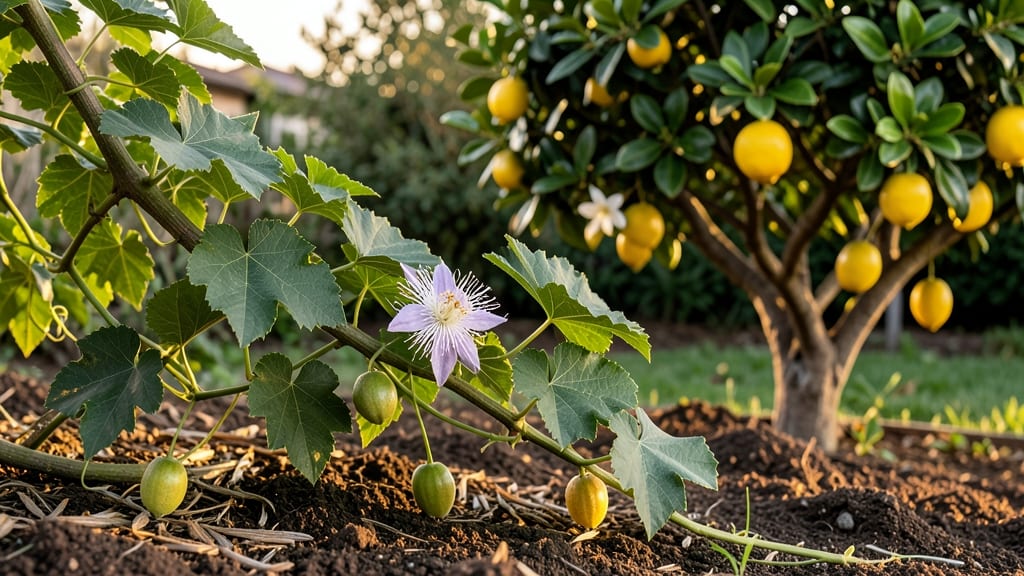
Passionfruit isn't citrus—it belongs to the Passifloraceae family, while oranges, lemons, and grapefruit come from the Rutaceae family. These botanical differences explain why their flavors, growing needs, and even health benefits vary so dramatically.
This distinction isn't just academic—it affects how you grow and use these fruits. 🌱 Passionfruit thrives in tropical climates with vines that climb and spread, while citrus trees need well-drained soil and regular pruning to maintain shape.
The flavor profiles also differ: passionfruit offers a complex mix of tropical sweetness and tartness, while citrus delivers bright, acidic notes. Understanding these differences helps gardeners choose the right plants for their space and culinary needs.
For example, if you're growing in containers, passionfruit's vine habit makes it ideal for trellises, while citrus trees need more stable root systems. The health benefits also vary—passionfruit is rich in fiber and vitamin C, while citrus provides potassium and flavonoids.
Knowing these distinctions helps you make informed choices whether you're planting in your backyard or selecting ingredients for recipes.
💡 In This Article
- Botanical Families: Passionfruit vs Citrus
- Growing Passionfruit vs Citrus: Key Differences
Botanical families: passionfruit vs citrus
The key difference between passionfruit and citrus lies in their botanical families. Passionfruit belongs to the Passifloraceae family, which includes over 500 species of vines and shrubs, while citrus fruits like oranges, lemons, and grapefruit are part of the Rutaceae family.
This classification isn't just academic—it affects everything from flower structure to fruit development. 🌺 For instance, passionfruit flowers are complex, with intricate petal arrangements and a corona of thread-like filaments, while citrus flowers are simpler, with five petals and no such elaborate structures.
Genetically, these families diverged millions of years ago, leading to distinct chemical compositions. Passionfruit contains passiflorine, a unique alkaloid that contributes to its flavor, while citrus fruits produce limonoids and flavonoids that give them their signature tang.
The fruit's internal structure also differs: passionfruit has a thick, edible rind surrounding a gelatinous pulp filled with seeds, whereas citrus fruits have a segmented interior with juice vesicles. These structural differences explain why passionfruit's texture is often described as "creamy" while citrus is typically juicy and segmented.
Evolutionarily, passionfruit plants developed in tropical regions of South America, adapting to vine-like growth habits that climb trees or fences. Citrus, on the other hand, evolved in Southeast Asia and developed as small, evergreen trees with dense canopies.
This evolutionary history explains why passionfruit vines can spread 10-15 feet per season, while citrus trees typically grow 15-25 feet tall but with a more compact spread. The leaf shapes also differ: passionfruit leaves are lobed and heart-shaped, while citrus leaves are smooth, elliptical, and leathery.
Another key distinction is in their reproductive strategies. Passionfruit flowers are hermaphroditic but often require cross-pollination by bees or hummingbirds to produce fruit, while citrus flowers are also hermaphroditic but can self-pollinate.
This difference affects fruit set—passionfruit vines may produce fewer fruits if pollinators are scarce, while citrus trees are more reliable in this regard. The fruit development process also varies: passionfruit takes about 90-120 days to mature, while citrus fruits can take 6-12 months, depending on the variety.
Chemically, these families produce different aromatic compounds. Passionfruit contains nootkatone, a compound that gives it a grapefruit-like aroma, while citrus fruits produce citral and linalool, which contribute to their bright, citrusy scent.
These compounds are why passionfruit's aroma is often described as "tropical" with notes of mango and pineapple, while citrus smells are more herbaceous and zesty.
Understanding these chemical differences helps explain why passionfruit pairs well with tropical ingredients like coconut and pineapple, while citrus shines in savory dishes with herbs like thyme or rosemary.
For gardeners, recognizing these botanical differences is crucial. Passionfruit's vine habit means it needs a trellis or strong support structure, while citrus trees require well-drained soil and regular pruning to maintain shape.
The root systems also differ: passionfruit has fibrous roots that spread widely, while citrus trees develop a deep taproot. These distinctions affect how you care for each plant—passionfruit benefits from regular pruning to control its spread, while citrus trees need less frequent but more structured pruning to maintain their shape.
What most people don't realize is how these botanical differences translate to culinary uses. Passionfruit's complex flavor profile makes it ideal for desserts like tarts and sorbets, where its tropical notes can shine.
Citrus, with its bright acidity, works better in savory dishes or as a palate cleanser. Knowing these distinctions helps you choose the right fruit for your recipes and growing conditions. 🌿