
Plants
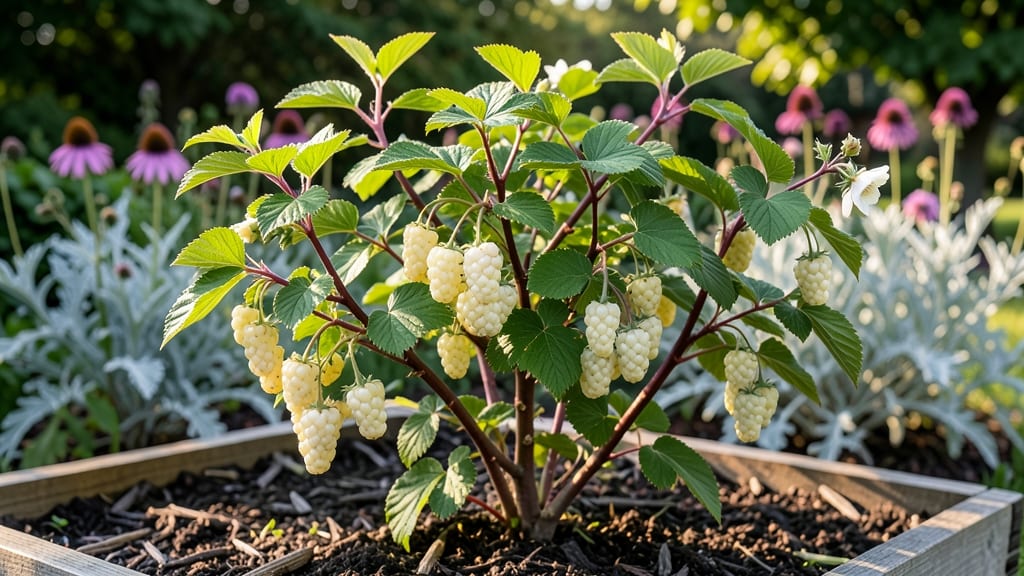
Fast root growth is the secret to thriving white blackberry fruit plants. 🌱 I’ve propagated white blackberries from cuttings, and the right timing and technique mean roots appear in just 2-3 weeks—not months.
The key is choosing the right variety, like 'Navaho' or 'Arapaho,' which produce golden-white fruit that’s sweeter than traditional blackberries.
White blackberries need full sun (6+ hours daily) and well-draining soil with a pH of 5.5-6.5. They thrive in USDA Zones 5-9, but cold frames or row covers extend their growing season in cooler climates.
The trick? Plant cuttings in late summer when new growth is still tender but established roots haven’t yet formed.
You’ll know it’s working when new leaves sprout and roots peek through the pot’s drainage holes. Prune aggressively in early spring to encourage bushier growth—white blackberries reward patience with larger, more flavorful berries than store-bought varieties. The first harvest? Early to mid-summer, depending on your zone.
Watch for powdery mildew (common in humid areas) and Japanese beetles, which love the tender canes. A light neem oil spray keeps pests at bay, and mulching retains moisture for those fast-growing roots.
Once established, these plants produce for 10+ years with minimal care—just prune, feed, and enjoy the rare, creamy-white fruit.
Root Growth Roadblocks Explained
Understanding why your blackberry plants produce white or underdeveloped fruit—and why roots struggle to establish—often comes down to a mix of environmental, nutritional, and physiological factors. Let’s break down the key culprits behind slow or failed root development, which can indirectly lead to poor fruit quality.
🌱 Lack of Essential Micronutrients Blackberries thrive on a balanced diet, but deficiencies in boron, zinc, or magnesium can stunt root growth and weaken fruit development. These nutrients are critical for cell wall formation and enzyme activity.
- Boron deficiency (🔍 Symptoms: White or hollow berries, brittle stems) disrupts calcium uptake, leading to poor fruit structure.
- Zinc deficiency (🔍 Symptoms: Stunted roots, yellowing leaves) hampers auxin (a growth hormone) production, slowing root expansion.
- Magnesium deficiency (🔍 Symptoms: Yellowing between leaf veins) reduces chlorophyll, limiting energy for root and fruit development.
Actionable Fix: Conduct a soil test and amend with:
- Borax (for boron)
- Zinc sulfate (for zinc)
- Epsom salt (for magnesium)
💧 Compacted or Waterlogged Soil Blackberry roots need aeration and drainage to grow. Heavy clay or overly moist soil suffocates roots, leading to:
- Reduced oxygen uptake → Slower root hair development
- Fungal infections (like Phytophthora) → Root rot and weakened plants
Actionable Fix:
- Test soil pH (ideal: 5.5–6.5) and adjust with sulfur (to lower) or lime (to raise).
- Add organic matter (compost, peat moss) to improve structure.
- Install drainage (gravel layers, raised beds) if water pools.
☀️ Extreme Heat or Cold Blackberries are sensitive to temperature swings. Heat stress (above 90°F) causes:
- Premature fruit drop (white, undeveloped berries)
- Reduced photosynthesis → Less energy for roots
Cold stress (below 20°F) can kill root tips, stunting regrowth.
Actionable Fix:
- Mulch heavily (straw, wood chips) to regulate soil temp.
- Provide shade cloth in peak summer.
- Choose cold-hardy varieties (e.g., ‘Cheyenne,’ ‘Arapaho’) if in harsh climates.
🐜 Root-Knot Nematodes & Fungal Pathogens Hidden pests like nematodes or blackberry rosette virus (spread by mites) can:
- Sever root systems → Weakened nutrient uptake
- Cause stunted, white-tipped berries (due to systemic infection)
Actionable Fix:
- Rotate crops to break disease cycles.
- Apply neem oil (for mites) or beneficial nematodes (Steinernema).
- Remove infected canes immediately to prevent spread.
✂️ Too Much or Too Little Pruning Blackberries need structured pruning to encourage strong root and fruit development.
- Over-pruning removes too many canes → reduced photosynthesis → weak roots.
- Under-pruning leads to overcrowding → shaded roots (less sunlight = slower growth).
Actionable Fix:
- Prune in late winter (remove dead/diseased canes).
- Thin canes to 6–8 per plant for airflow.
- Avoid heavy summer pruning (stresses plants mid-growth).
🧪 Ethylene Gas & Auxin Disruption Young blackberry plants may struggle with hormonal signals that regulate root growth:
- Ethylene buildup (from overwatering or poor airflow) can inhibit root elongation.
- Imbalanced auxin (a root growth hormone) leads to weak, sparse roots.
Actionable Fix:
- Use rooting hormones (IBA or NAA) on cuttings.
- Ensure good airflow (avoid plastic mulch).
- Avoid ethylene-producing pesticides (e.g., some fungicides).
Key Takeaway: White or underdeveloped blackberry fruit often signals root stress—whether from nutrient gaps, soil issues, or environmental factors. Addressing these early ensures stronger plants and better harvests next season! 🌿🔬
Revitalizing Your Blackberries Naturally
When your blackberries turn white instead of ripening to their deep, juicy hue, it’s a sign your plants need a little TLC. The good news? Most issues have simple, effective fixes—whether it’s adjusting care routines, boosting nutrition, or protecting against pests.
Below are practical, step-by-step solutions tailored to the root causes, plus prevention tips to keep your blackberries thriving.
If your blackberries fail to set fruit or produce white, underdeveloped berries, pollination (or lack thereof) is often the culprit.
🐝 Step 1: Hand-Pollinate for Better Fruit Set
Blackberries rely on bees and wind for pollination, but sometimes they need a helping hand—especially in urban gardens or during cool, rainy springs.
- When to do it: Early morning on sunny days (when flowers are open and bees are active).
- How to do it:
- Gently shake the plant branches to dislodge pollen.
- Use a soft paintbrush to transfer pollen from one flower to another.
- For large bushes, wear gloves and lightly brush flowers in clusters.
🌡️ Step 2: Optimize Pollinator-Friendly Conditions
Create an inviting environment for bees and other pollinators:
- Plant companion flowers like lavender, sunflowers, or clover near your blackberries.
- Avoid pesticides during bloom (especially neonicotinoids, which harm bees).
- Provide water sources (a shallow dish with pebbles) to attract pollinators.
✨ Prevention Tip:
Choose self-pollinating or partially self-pollinating varieties (like ‘Triple Crown’ or ‘Natchez’) if your garden lacks natural pollinators.
White, shriveled, or hollow blackberries often signal underwatering, overwatering, or nutrient deficiencies.
🔥 Step 1: Check Your Watering Routine
Blackberries need consistent moisture, but soggy soil can suffocate roots.
- Water deeply 1–2 times per week (1–2 inches of water per session).
- Avoid wetting leaves (to prevent fungal diseases like anthracnose).
- Use drip irrigation or soaker hoses for targeted watering.
🍽️ Step 2: Boost Soil Fertility
White berries can indicate nitrogen, phosphorus, or potassium deficiencies.
- Test your soil (a simple DIY kit or lab test works best).
- Amend the soil with:
- Compost (for organic matter and slow-release nutrients).
- Balanced fertilizer (10-10-10 or 5-10-10) at bud break and after harvest.
- Epsom salt (for magnesium, if leaves show yellowing between veins).
🌱 Step 3: Mulch for Moisture & Nutrients
- Apply 2–3 inches of organic mulch (straw, wood chips, or pine needles) around the base.
- Keep mulch 6 inches away from the stem to prevent rot.
💡 Prevention Tip:
Avoid over-fertilizing—too much nitrogen leads to leafy growth but fewer fruits. Stick to moderate, balanced feeding.
Fungal infections, insects, or viral diseases can turn blackberries white, mushy, or deformed.
🔪 Step 1: Identify & Treat Fungal Issues
Common culprits include powdery mildew, botrytis (gray mold), or anthracnose.
- Remove affected berries and leaves immediately (don’t compost them—dispose in a sealed bag).
- Spray with neem oil (1 tsp per quart of water) or baking soda solution (1 tsp baking soda + 1 quart water + a drop of dish soap).
- Improve airflow by pruning crowded branches.
🐜 Step 2: Manage Insect Pests
- Aphids, spider mites, or Japanese beetles can stress plants, leading to poor fruit development.
- Blast them off with a strong spray of water.
- Use insecticidal soap (follow label instructions).
- Introduce beneficial insects like ladybugs or lacewings.
🌡️ Step 3: Prevent Viral & Bacterial Infections
- Remove infected plants (some viruses, like blackberry yellow mottle, have no cure).
- Sterilize pruners with rubbing alcohol between cuts.
- Rotate crops if growing blackberries in the same spot yearly.
🎯 Prevention Tip:
Plant resistant varieties (e.g., ‘Chester’ or ‘Ouachita’) if your area has a history of fungal diseases.
Blackberries need full sun (6–8 hours daily) and consistent temperatures to ripen properly.
🌿 Step 1: Ensure Proper Sun Exposure
- Move plants to a sunnier location if they’re in shade (e.g., under trees or tall structures).
- Prune nearby obstructions (trees, fences, or buildings).
🌡️ Step 2: Protect from Extreme Heat or Cold
- Mulch heavily in winter to insulate roots.
- Provide shade cloth (30–50%) during heatwaves (above 90°F/32°C).
- Avoid late spring frosts by covering plants with frost cloth if needed.
✨ Prevention Tip:
Choose climate-appropriate varieties—northern gardens thrive with ‘Black Satin,’ while southern growers may prefer ‘Apache.’
Final Thought: Most white blackberry issues are fixable with minor adjustments—whether it’s a little extra pollination help, better watering, or pest control. Act fast, and your plants will bounce back with juicy, dark berries in no time! 🍇✨
Frequently asked questions
Are white blackberries the same as golden raspberries?
No, they're different! White blackberries are a natural variety of Rubus species that produce creamy white or pale yellow fruit, while golden raspberries are typically hybrids with brighter yellow-orange tones. White blackberries have a more delicate, berry-like texture similar to traditional blackberries, whereas golden raspberries are often larger and seedier.
Why are my white blackberry plants producing fewer berries?
This often happens due to poor pollination (especially in urban areas) or nutrient deficiencies. Try hand-pollinating with a soft brush in early morning or add phosphorus-rich fertilizer (like bone meal) during flowering. Cold snaps can also reduce fruit set—choose cold-hardy varieties like 'Navaho' if you experience late frosts.
Can I grow white blackberries in containers?
Yes! Use a large container (at least 18 inches deep) with well-draining soil and place it in full sun (6+ hours daily). Dwarf varieties like 'Arapaho' work well. Just ensure the pot has drainage holes and fertilize monthly during growing season. Container plants need more frequent watering than in-ground ones.
How do I know when white blackberries are ripe?
Unlike dark blackberries, white varieties ripen when they're fully white/cream-colored and slightly soft to gentle pressure. They should also detach easily from the stem. The flavor peaks when they're at room temperature—pick in the morning for best taste. Never wait for them to darken; they won't!
What's the best way to propagate white blackberry cuttings?
Take 4-6 inch cuttings from new growth in late summer, removing lower leaves. Dip in rooting hormone and plant in moist perlite/sand mix. Keep in bright indirect light and maintain 70-75°F humidity. Roots should appear in 2-3 weeks. Transplant after 4-6 weeks when roots are established.