
Pruning
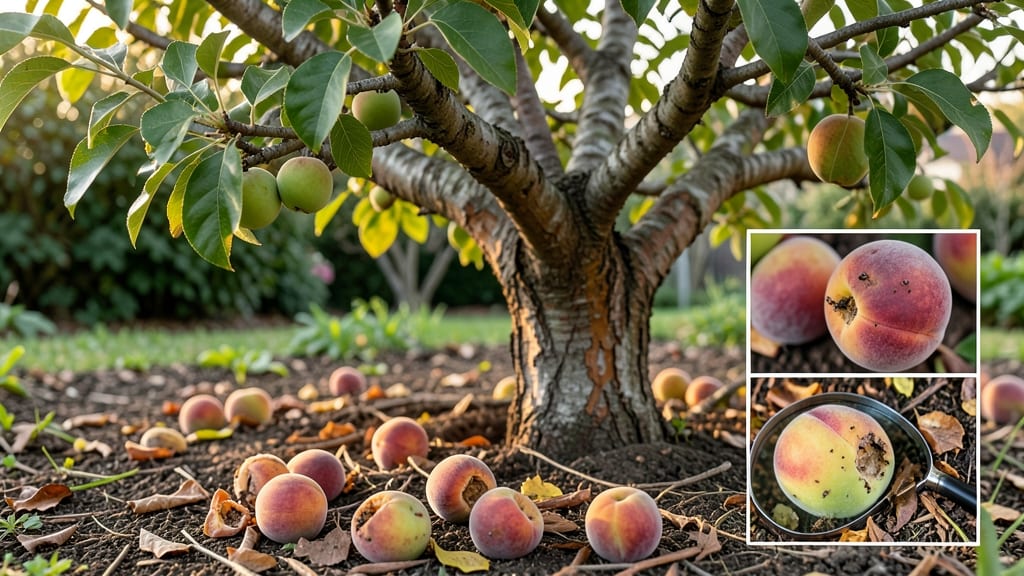
Peach tree fruit drop can turn your hopeful harvest into a disappointing mess—unless you know the right pruning tricks. 🌱 I’ve watched my own peaches fall like rain after heavy blooms, and I learned the hard way that timing, technique, and tree health make all the difference.
The secret isn’t just cutting branches; it’s shaping the tree to balance energy between growth and fruit production.
Most fruit drop happens because the tree is overloaded—either from too many flowers setting fruit or stress from poor soil, pests, or weather. Thin out clusters early (when peaches are still marble-sized) to leave 6-8 inches between fruits, and prune in late winter to open the canopy for airflow.
This prevents fungal diseases and lets sunlight reach developing fruit, keeping them plump and attached.
By mid-summer, you’ll see fewer dropped peaches and healthier branches. The key is consistency: prune annually, fertilize in early spring, and watch for pests like aphids or borers that weaken the tree. A well-pruned peach tree doesn’t just hold its fruit—it produces sweeter, larger peaches year after year.
This works for both young trees and mature ones, though younger trees need lighter pruning to establish structure. Start with these basics, and you’ll go from frustrated grower to proud peach harvester in no time.
Root Causes Behind Dropped Fruit
Understanding why your peach tree sheds fruit is the first step to preventing it—and saving your harvest. Fruit drop in peach trees is rarely a single issue but often a combination of environmental, physiological, and cultural factors.
Below, we break down the most common culprits with clear explanations and actionable insights.
Peach trees are sensitive to extreme temperature fluctuations, especially during bloom and early fruit set. Sudden cold snaps (below 40°F/4°C) or late-season freezes can damage pollen, leading to poor fruit retention.
Conversely, heat stress (above 95°F/35°C for prolonged periods) disrupts pollination and causes flowers to abort before fruit develops.
Why it happens:
- Cold stress disrupts pollen tube growth, preventing fertilization.
- Heat stress increases ethylene production, a plant hormone that triggers premature fruit drop.
- Rain during bloom washes away pollen, reducing fruit set by up to 50%.
Actionable fix:
- Monitor National Weather Service forecasts and protect blossoms with frost cloth if frost is predicted.
- Use drip irrigation to cool trees during heatwaves (avoid overhead watering, which can spread disease).
- Choose late-blooming peach varieties (like ‘Redhaven’ or ‘Elberta’) if your region has unreliable spring weather.
Peaches are self-pollinating but benefit from cross-pollination—meaning bees and other pollinators play a crucial role. If pollination fails due to pesticide use, lack of pollinators, or poor weather, flowers won’t develop into fruit, leading to early drop.
Why it happens:
- Neonicotinoid pesticides (common in some sprays) kill bees, reducing pollination rates.
- Overcast or rainy bloom periods (bees are less active in <55°F/13°C).
- Isolated trees with no nearby pollinators (especially in urban or suburban gardens).
Actionable fix:
- Avoid spraying pesticides during bloom—opt for organic or bee-safe alternatives (e.g., neem oil, horticultural oil).
- Plant bee-friendly flowers (like lavender, clover, or sunflowers) near your peach tree to attract pollinators.
- Hand-pollinate if needed: Use a soft paintbrush to transfer pollen between flowers on calm, sunny days.
Peach trees need consistent moisture, especially during fruit sizing (4–8 weeks after bloom). Too much or too little water can trigger fruit drop.
Why it happens:
- Underwatering causes small, hard fruit that drops due to poor cell development.
- Overwatering leads to root suffocation, reducing nutrient uptake and causing bacterial leaf spot (which weakens the tree).
- Uneven watering (e.g., drought followed by heavy rain) stresses the tree, leading to June drop (a natural but excessive shedding phase).
Actionable fix:
- Deep water 1–2 times per week (1–1.5 inches per session) during dry spells.
- Mulch heavily (3–4 inches of wood chips) to retain moisture and regulate soil temperature.
- Use drip irrigation for precision—avoid sprinklers that wet foliage (increases disease risk).
Peach trees require balanced nutrients (especially boron, zinc, and nitrogen) for fruit retention. Deficiencies or excesses (like too much nitrogen late in the season) can cause poor fruit set and premature drop.
Why it happens:
- Boron deficiency (common in sandy soils) leads to blossom end rot and fruit drop.
- Zinc deficiency causes small, deformed fruit that falls early.
- Excess nitrogen (from over-fertilizing) promotes leafy growth at the expense of fruit development.
Actionable fix:
- Test your soil (via a local extension service) and amend with:
- Borax (1–2 lbs per 100 sq ft) for boron.
- Zinc sulfate (1 tbsp per gallon of water, foliar spray) for zinc.
- Avoid high-nitrogen fertilizers after June—switch to potassium-rich fertilizers (like 0-10-10) to support fruit maturation.
- Compost annually to improve soil structure and microbial activity.
If your peach tree is overloaded with fruit, branches may bend excessively, causing fruit to drop or breaks that expose the tree to disease. Improper pruning can also lead to weak wood that struggles to support the harvest.
Why it happens:
- Thinning pruning skipped → Tree sets too many fruit, leading to competition for resources.
- Water sprouts or suckers divert energy away from fruit-bearing branches.
- Dead or diseased wood weakens the tree’s structural integrity.
Actionable fix:
- Thin fruit in late spring (when fruits are pea-sized) to 6–8 inches apart on branches.
- Prune in late winter/early spring to remove:
- Dead, crossing, or inward-growing branches.
- Suckers at the base (they drain energy).
- Support heavy branches with tree ties or stakes if needed (but avoid girdling the trunk).
Certain pests and diseases attack flowers and fruit, causing premature drop.
Common culprits include: - Peach tree borers (larvae tunnel into branches, weakening the tree). - Brown rot fungus (Monilinia fructicola) causes blossom blight and fruit mummification. - Aphids & mites suck sap, leading to stunted fruit and drop.
Why it happens:
- Wet springs favor fungal diseases like brown rot.
- Stressed trees (from drought, poor soil, or pest damage) are more susceptible.
- Lack of sanitation (leaving dropped fruit on the ground spreads spores).
Actionable fix:
- Remove and destroy dropped fruit and mummified peaches immediately.
- Apply copper fungicide (like Copper Soap) at pink bud stage to prevent brown rot.
- Use horticultural oil in dormant season to smother overwintering pests.
- Introduce beneficial insects (ladybugs, lacewings) to control aphids naturally.
Peach trees naturally shed 50–90% of their fruit in June drop (4–8 weeks after bloom). This is not a problem—it’s the tree’s way of conserving energy for the remaining fruit to grow larger.
Why it happens:
- Hormonal shifts: The tree prioritizes fewer, larger fruit over many small ones.
- Resource competition: Too many fruit compete for water, nutrients, and sunlight.
- Environmental cues: Heat, drought, or poor pollination trigger early drop.
Actionable fix:
- Don’t panic—this is normal! Focus on supporting the remaining fruit.
- Thin aggressively if drop is excessive (aim for 1 fruit every 6–8 inches on branches).
- Ensure consistent care (water, nutrients, pest control) to maximize the remaining harvest.
Fixing Fruit Drop in Peach Trees
Preventing premature fruit drop in peach trees starts with addressing the root causes—whether it’s environmental stress, improper pruning, or nutrient imbalances. Below are practical, step-by-step solutions tailored to each common trigger, plus long-term prevention tips to keep your harvest thriving.
Signs: Wilting leaves, yellowing fruit, or roots sitting in soggy soil.
How to Fix It: 🔥 Adjust Watering Habits
- Water deeply but infrequently (1–2 inches per week, depending on climate).
- Avoid overhead sprinklers—drip irrigation or soaker hoses deliver moisture directly to roots.
- Mulch heavily (3–4 inches of wood chips or straw) to retain moisture without suffocating roots.
👨🍳 Improve Soil Drainage - Test soil drainage: Dig a 12-inch hole, fill it with water, and time how long it takes to drain.
If it’s slower than 4 hours, amend the soil with: - Sand (coarse, not fine) - Perlite or vermiculite (for aeration) - Compost (to improve structure over time)
⏰ Schedule Matters
- Water in the early morning to reduce evaporation and fungal risks.
- Stop watering 1–2 weeks before harvest to concentrate sweetness in the fruit.
💡 Pro Tip: If your tree is in a low-lying area, consider raising the bed or installing a French drain to redirect excess water.
Signs: Excessive fruit drop after pruning, weak branch growth, or uneven fruit distribution.
How to Fix It: 🔪 Prune at the Right Time
- Dormant season (late winter/early spring) is ideal for structural pruning to shape the tree.
- Light summer pruning (after harvest) can remove only water sprouts or crossing branches—never more than 20% of the canopy.
🍳 Follow the 3-D Pruning Rule
- Direction: Remove branches growing backward into the center of the tree.
- Deflection: Thin out branches that rub against others (creates wounds).
- Dominance: Prune to maintain a strong central leader (main upright branch).
🎯 Thinning for Airflow
- Leave 6–8 inches between fruits on branches to reduce competition for nutrients.
- Use sterilized pruners and seal larger cuts (½ inch+) with pruning sealant to prevent disease.
🔥 Avoid Over-Pruning
- Never remove more than 25% of the tree’s foliage in one season—this stresses the tree and triggers drop.
Signs: Blossoms or fruit dropping after frost, heatwaves, or sudden temperature swings.
How to Fix It: 🌡️ Protect Against Frost
- Cover young trees with frost cloth on nights below 28°F.
- Use row covers over blossoms during late frosts (remove before buds open).
- Plant in a sheltered spot (e.g., near a south-facing wall) to trap heat.
🌞 Beat the Heat
- Shade cloth (30–50% coverage) can reduce heat stress in zones 8+.
- Mulch deeply (4+ inches) to keep roots cool.
- Water deeply during heatwaves (early morning only).
✨ Choose Heat-Tolerant Varieties
- If your area experiences consistent high temps, opt for late-blooming peach varieties like ‘Redhaven’ or ‘Elberta,’ which are less frost-sensitive.
Signs: Small, misshapen fruit; yellow leaves; or premature drop despite proper watering.
How to Fix It: 📊 Soil Test First
- Send a sample to your local extension office to check for nitrogen (N), phosphorus (P), potassium (K), and micronutrients like zinc or boron.
- Common fixes:
- Nitrogen deficiency? Apply compost or a balanced 10-10-10 fertilizer in early spring.
- Boron deficiency? Use borax (follow package rates)—critical for fruit set.
💪 Fertilizer Schedule
| Time | What to Apply | How to Apply |
|---|---|---|
| Early Spring | Balanced fertilizer (10-10-10) | Work into soil 6 inches deep. |
| Bloom Time | Low-nitrogen, high-phosphorus (5-10-10) | Side-dress lightly. |
| Post-Harvest | Potassium-rich (0-0-50) or compost | Top-dress and water in. |
🥗 Avoid Over-Fertilizing
- Too much nitrogen = lush leaves but fewer fruits.
- Too much potassium = weak stems and higher disease risk.
Signs: Holes in fruit, sawdust-like frass, or fungal spots causing drop.
How to Fix It: 🔪 Remove Infested Fruit
- Pick and destroy dropped or damaged fruit immediately to stop pests/spread.
🍳 Natural Pest Control
- Aphids/Scale: Spray with neem oil or insecticidal soap (early morning).
- Peach Tree Borers: Apply beneficial nematodes or borer traps in spring.
- Brown Rot: Prune infected branches 6+ inches below lesions and sterilize tools with rubbing alcohol.
🌡️ Prevent Fungal Issues
- Space trees 15–20 feet apart for airflow.
- Apply copper fungicide at bloom time if brown rot is common in your area.
To keep fruit drop at bay year-round: ✅ Prune annually (dormant season + light summer touch-ups). ✅ Mulch and water consistently (deep, infrequent). ✅ Monitor for pests/diseases (weekly inspections in spring/summer). ✅ Fertilize based on soil tests (avoid guesswork). ✅ Choose disease-resistant varieties if your climate is prone to issues.
Remember: Peach trees are resilient—with the right care, they’ll reward you with juicy, bountiful harvests for decades. Start with one or two fixes this season, and gradually refine your approach! 🍑✨
Frequently asked questions about peach tree fruit drop
Is fruit drop always a sign of a problem?
Not necessarily! Peach trees naturally shed 50-90% of their fruit during June drop (4-8 weeks after bloom). This is the tree's way of conserving energy for the remaining fruit to grow larger. Only intervene if drop exceeds 90% or occurs outside this window.
How can I tell if my tree is overloaded with fruit?
Look for branches bending downward more than 45 degrees or fruit clustered closer than 6 inches apart. Overloaded trees often have small, hard peaches that drop early. Thin to 1 fruit every 6-8 inches when they're marble-sized for best results.
What's the best time to thin fruit?
Thin when peaches are pea-sized (about 1 inch diameter) in late spring. This gives the tree time to redirect energy to fewer fruits. Avoid thinning after June drop—the tree has already made its resource allocation decisions by then.
Can I save fruit that's already dropped?
Unfortunately, no—dropped peaches won't reattach. Focus on preventing future drop by ensuring proper watering (1-2 inches per week), nutrient balance, and pest control. Remove all dropped fruit immediately to prevent fungal diseases like brown rot.
How do I know if my tree has a nutrient deficiency?
Watch for these signs: Boron deficiency shows as blossom end rot or cracked fruit; zinc deficiency causes small, deformed fruit and yellowing between leaf veins. Test your soil annually and amend with borax (1-2 lbs per 100 sq ft) or zinc sulfate spray as needed.