
How To
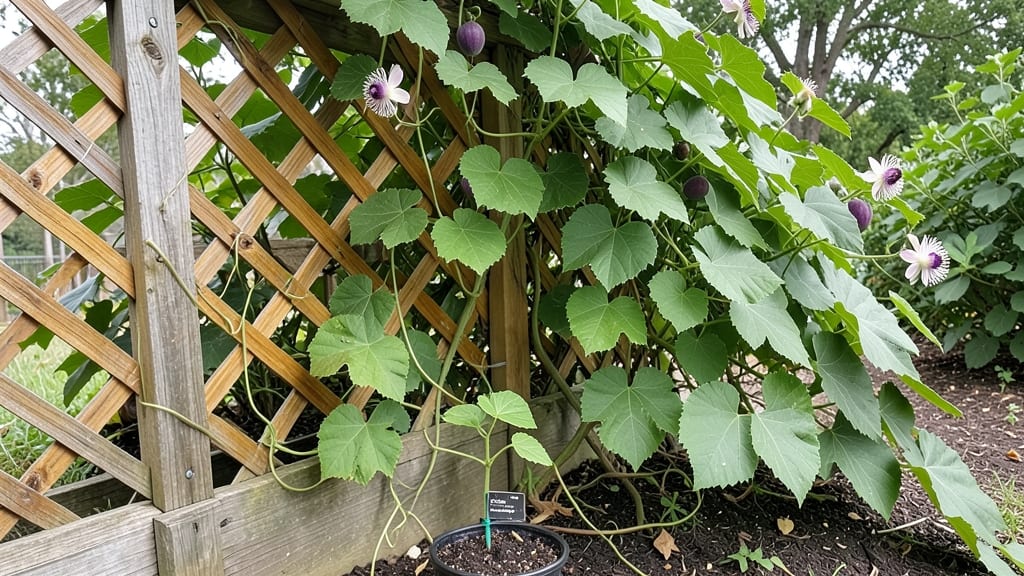
Your passion fruit vine’s heavy fruits won’t just hang—they’ll thrive with the right support. 🌿 I’ve seen vines collapse under their own weight, but a sturdy trellis turns that into a productive, disease-free harvest. The secret isn’t just the structure—it’s how you train the vine to use it.
Start with a 6-foot-tall trellis (or pergola for larger varieties) made of 2x4s or metal piping, anchored deep into the soil. Passion fruit vines need room to climb—space them 8-10 feet apart to avoid overcrowding.
The first year, guide the main stem upward, then let side vines sprawl horizontally for fruit production. With proper support, you’ll see bigger, riper fruits and fewer pests climbing the vine.
Prune aggressively in late winter to keep the structure manageable, and watch as the vine doubles its yield by summer. No more broken branches or wasted energy—just strong growth and sweet harvests.
Works for both passiflora edulis and passiflora incarnata, whether you’re in a warm climate or a greenhouse. Here’s how to set it up right the first time.
📚 In This Guide
- What you need
- Instructions
- Tips and common mistakes
- Wrapping up and next steps
What you need
- ● Trellis or Support Structure: Wooden posts (4–6 ft tall, 4x4 inches) – 2–4 posts (depending on vine size and garden space).
- ● Trellis panels (metal, wood, or PVC) – 1–2 panels (6–8 ft long, 3–4 ft wide).
- ● OR A pre-made passion fruit trellis kit (check local garden centers).
- ● Fasteners & Hardware: Galvanized screws or nails (1.5–2 inches) – 10–15 pieces.
- ● Heavy-duty zip ties or garden twine – 1–2 rolls.
- ● Concrete mix (for anchoring posts) – 1–2 bags (or use rebar for extra stability).
- ● Pruning Tools: Hand pruners or loppers – 1 pair (for trimming vines later).
- ● Drill or hammer (for assembling the trellis).
- ● Measuring tape or ruler.
- ● Level (to ensure posts are straight).
- ● Gloves (for handling rough materials).
- ● PVC pipes or bamboo stakes (for additional vine guidance).
- ● Mulch or landscape fabric (to protect the base of your trellis).
- ● Weather-resistant paint or sealant (to extend the life of wooden posts).
- ● Soft ties (to avoid damaging vine stems as they grow).
How to build a sturdy trellis for passion fruit vines
Passion fruit vines need strong support to handle their weighty harvests—here’s the foolproof method I’ve used for years.
🪴 Step 1: Choose the Right Trellis Structure
Passion fruit vines thrive on a freestanding A-frame trellis or strong overhead arbor that can support 15-20 pounds per vine once fruiting begins. I prefer a 6-foot-tall wooden frame with 1-inch-thick galvanized metal pipes for the main posts—these won’t warp under the weight of heavy fruits. Space the vertical supports 4 feet apart for stability, and add horizontal crossbars every 2 feet for the vine to twine around.
For smaller spaces, a single sturdy post with a wire mesh (like chicken wire) works too, but anchor it deeply—at least 2 feet into the ground—to prevent tipping. If your vine grows aggressively, opt for a permanent structure rather than temporary stakes, which can snap under the weight of passion fruit clusters.
🌿 Step 2: Install the Trellis in Sunny, Sheltered Spot
Position your trellis in full sun (6+ hours daily) but where it’s protected from strong winds—passion fruit vines are tropical and can’t handle gusts. I dig the posts 2 feet deep into a mixed soil hole (half native soil, half compost) to stabilize them. Use a level to ensure the frame stands straight—uneven trellises cause vines to grow crooked, making fruit harder to harvest.
If you’re planting near the trellis, place it 1-2 feet away from the vine’s base. Passion fruit vines need room to spread their whip-like tendrils before climbing, and crowding the structure too soon can lead to tangled growth. Water the soil around the base deeply after installation to help roots establish before the vine starts climbing.
✂️ Step 3: Train the Vine to Climb Properly
Once your vine reaches 3-4 feet tall, gently weave the main stem around the trellis crossbars in a spiral pattern. Avoid tying the vine tightly—passion fruit stems are brittle and can snap if constrained. Instead, let the natural tendrils latch onto the structure, but guide them upward by tying loosely with soft twine every 12 inches until they secure themselves.
Here’s the thing—prune aggressively in late winter to encourage strong, upward growth. Cut back any side shoots that form below 3 feet on the trellis, as these drain energy from fruit production. You’ll know you’re doing it right when the vine sends out new, vigorous shoots within 2-3 weeks—these are the ones that’ll bear the heaviest fruit.
💧 Step 4: Maintain Support as the Vine Grows
Passion fruit vines can double in length during peak growing season, so check the trellis monthly for stability. If you notice the structure leaning or the crossbars bending under the weight of mature fruits (which can weigh over a pound each), reinforce it with additional diagonal braces. I use 3/8-inch galvanized wire to secure any wobbly sections—it’s strong enough to handle the load but flexible enough to adjust as the vine grows.
Water the base of the vine deeply 2-3 times per week during fruiting season, but never let the trellis itself get soggy—rot can weaken the wood or metal over time. If your vine starts to overwhelm the trellis (a common issue with vigorous varieties like Passiflora edulis), prune back one-third of the oldest growth to redirect energy to the fruit-bearing sections.
Tips & tricks for building a sturdy passion fruit vine trellis
Here's what nobody tells you about setting up a trellis that'll actually hold those massive passion fruit clusters without collapsing.
The Weight Factor: The 15-20 pounds per vine capacity isn't just about the fruit—it accounts for the vine's aggressive growth during peak season. I've seen 6-foot vines grow another 10 feet in just 3 months! Use the 1-inch-thick galvanized metal pipes for posts because they won't warp under this combined weight. For the crossbars, opt for 2x4 lumber—it's sturdy enough but still allows the vine's tendrils to grip naturally. The 2-foot spacing between crossbars gives the vine enough room to spiral upward without getting tangled.
Foundation is Everything: That 2-foot deep planting for the posts isn't arbitrary—it's about creating a stable base that won't shift when the vine starts bearing fruit. I mix the native soil with compost in a 1:1 ratio for the hole because passion fruit vines need well-draining soil but also benefit from organic matter. Use a concrete mixer for the hole to ensure it's perfectly vertical—uneven foundations cause the entire structure to lean, which makes harvesting a nightmare. Pro tip: Add a gravel layer at the bottom of the hole to prevent waterlogging around the posts.
Pruning Strategy: The aggressive winter pruning isn't just about shaping—it's about redirecting the vine's energy. When you cut back those side shoots below 3 feet, you're forcing the plant to focus its resources on the new vigorous shoots that will bear the heaviest fruit. I use clean, sharp pruning shears and make cuts at a 45-degree angle just above a leaf node. The 2-3 week window for new growth gives you a clear benchmark to gauge if your pruning was effective—if you don't see new shoots in that timeframe, your cuts might have been too severe.
Monthly Maintenance: That "monthly" stability check in Step 4 is non-negotiable, especially during fruiting season. I schedule it for the first weekend of each month so it becomes a habit. Look for three things: leaning posts, sagging crossbars, and tendrils slipping from the structure. For reinforcement, I use 3/8-inch galvanized wire in an "X" pattern between posts—it's strong enough to handle the load but flexible enough to adjust as the vine grows. Never use plastic ties or zip ties—they'll cut into the vine's stems over time.
Pro Tips for Passion Fruit Vine Support
- Here's what nobody tells you about setting up a trellis that'll actually hold those massive passion fruit clusters without collapsing.
- The Weight Factor: The 15-20 pounds per vine capacity isn't just about the fruit—it accounts for the vine's aggressive growth during peak season.
- Foundation is Everything: That 2-foot deep planting for the posts isn't arbitrary—it's about creating a stable base that won't shift when the vine starts bearing fruit.
Frequently asked questions
Got questions about keeping your passion fruit vine happy and productive? Here are some of the most common concerns—and their solutions!
What’s the best height for a passion fruit vine support?
The ideal height for a passion fruit vine support is 8–12 feet tall. Passion vines are vigorous climbers and need plenty of vertical space to grow strong and produce heavy fruit. If your space is limited, a 6-foot trellis can work, but be prepared for pruning to manage growth and fruit weight.
Can I use a DIY trellis instead of buying one?
A sturdy DIY trellis made from wooden posts, metal pipes, or PVC frames works great. Just ensure it’s galvanized or treated to resist rust and can handle the vine’s weight (up to 50+ pounds per vine). Add crossbars or netting for extra support as the vine grows.
How long does it take for a passion fruit vine to climb its support?
Passion fruit vines are fast growers! With proper care, they can climb 6–10 feet in just one growing season. However, first-year vines focus on leafy growth rather than fruit. Patience is key—full harvests typically appear in the second or third year once the vine is established on its support.
What if my vine isn’t attaching to the trellis? How do I encourage it?
If your vine isn’t gripping the trellis, gently tie the main stem to the support with soft plant ties or twine every 2–3 feet. Avoid wire or anything that can cut into the vine. You can also train side shoots along horizontal branches to distribute weight evenly. A little guidance helps the vine find its footing!
Do I need to prune my passion fruit vine for better support?
Yes! Pruning helps manage weight, improve airflow, and encourage stronger growth. Trim back overly long or weak stems in early spring, and remove dead or crossing branches throughout the year. Leave 3–4 main branches to bear fruit, and prune after harvest to prep for the next season.
Wrapping up and next steps
Growing a thriving passion fruit vine is all about giving it the right support—a sturdy trellis isn’t just helpful, it’s essential for heavy fruits and easy harvests. 🌱 With the right materials, patience, and a little creativity, you’ll create a system that supports both your vine’s growth and your future bounty.
Whether you’re a beginner or a seasoned gardener, this setup makes the process simple and rewarding.
Now that you’re armed with the know-how, roll up your sleeves and build your trellis today! Start small, observe your vine’s progress, and adjust as needed. Before you know it, you’ll be enjoying sweet, juicy passion fruits—all thanks to your trusty support system. Happy gardening! 🍈✨