
Companion Plants
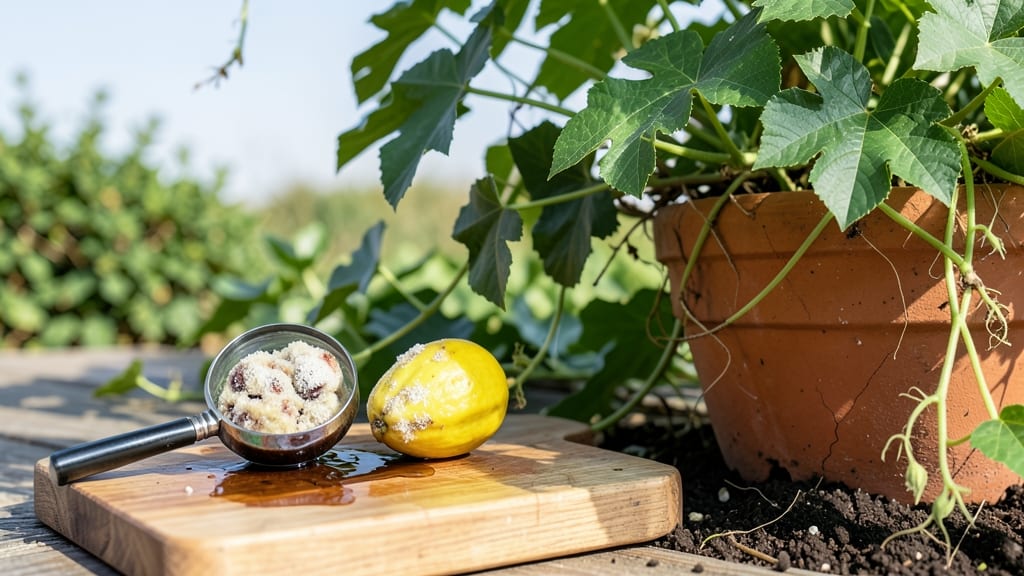
How to tell if passion fruit is bad—that’s the question I had to learn the hard way after turning a sweet treasure into a science experiment. 🌱 The moment it smells like overripe garbage or feels mushy to the touch, it’s time to toss it. Don’t risk it: bad passion fruit can harbor mold or bacteria that ruin your smoothies or desserts.
Start with sight: healthy fruit has a deep purple or yellow skin with no wrinkles, bruises, or dark spots. If the skin feels soft or squishy (like an overripe avocado), it’s past its prime.
A foul smell—think rotten or fermented—is another dead giveaway. Even if the outside looks okay, a bad odor means it’s unsafe.
Touch is your final check: gently press the fruit—it should yield slightly but stay firm. If it’s rock-hard, it’s underripe; if it’s mushy, it’s spoiled.
Store passion fruit in the fridge for up to 2 weeks to slow ripening, but never wash it until you’re ready to use it (moisture speeds up rot).
When in doubt, cut it open: the pulp should be vibrant and slightly sticky, not slimy or discolored. A few bad fruits can ruin a whole batch, so trust your senses—your taste buds (and stomach) will thank you.
📚 In This Guide
- What you need
- Instructions
- Tips and common mistakes
- Wrapping up and next steps
What you need
- ● Passion fruit(s) – Fresh or stored fruits (1-3 per test for best results).
- ● Clean hands – Wash with mild soap to avoid contaminating the fruit.
- ● Cutting board or plate – A stable, clean surface for slicing or examining the fruit.
- ● Sharp knife or peeler – A small, serrated knife or peeler works best for slicing.
- ● Spoon or fork – For scooping out the pulp if needed.
- ● Paper towel or cloth – To wipe away juices or residue.
- ● Nose (your best tool!) – Trust your sense of smell to detect off odors.
- ● Gloves – If you’re sensitive to citrus oils or fruit acids.
- ● Small bowl or container – For collecting pulp samples if testing multiple fruits.
- ○ Food scale (optional) – To weigh the fruit if you’re tracking freshness over time.
- ● Flashlight – For better visibility when inspecting dark or bruised spots.
How to test passion fruit freshness: visual, smell, and touch guide
Passion fruit can go bad fast—here’s how to check yours in seconds.
👃 Step 1: Smell for Off Odors
Open the passion fruit and take a deep sniff. Fresh passion fruit has a tropical, sweet, and slightly floral aroma—like a mix of citrus and tropical fruit. If it smells fermented, sour, or like alcohol, it’s past its prime. A musty or moldy scent means spoilage has set in.
I know it seems weird, but trust your nose—it’s the most reliable test. If the smell is weak or completely gone, the fruit’s lost its freshness. Pro tip: Smell the inside and the rind—both should be vibrant.
👀 Step 2: Check for Visual Signs of Spoilage
Look for shriveled, leathery skin or dark, sunken spots on the rind. Fresh passion fruit has a slightly glossy, firm exterior with a deep purple or yellow hue. If the skin is dry, wrinkled, or has mold (fuzzy spots), toss it. Inside, the pulp should be gelatinous and bright—not watery or discolored.
Cut it open lengthwise: The seeds should be plump and embedded in thick pulp. If the flesh looks brown, slimy, or separated from the rind, it’s bad. Real talk: A passion fruit that’s been sitting too long will leak liquid when squeezed.
🖐️ Step 3: Test Firmness and Texture
Gently press the passion fruit—it should yield slightly but not mushy. A fresh one feels firm yet slightly soft, like a ripe avocado. If it’s rock-hard, it’s underripe. If it’s mushy or squishy, it’s overripe and likely spoiled. Squeeze it near the stem end—this is where the pulp is thickest and most flavorful.
Run your thumb over the skin. It should feel smooth with a slight give. Rough, dry, or sticky skin means the fruit’s past its peak. If the rind tears easily, that’s another red flag—it’s losing moisture and flavor fast.
⏰ Step 4: Consider Storage Time and Conditions
Passion fruit ripens quickly—3-5 days at room temperature is the sweet spot. If it’s been sitting on the counter for over a week, it’s likely bad, even if it looks okay. Store-bought passion fruit often lasts longer because of preservatives, but homemade or freshly picked fruit spoils faster.
Check where you stored it: If it sat in the fridge for more than 2 weeks, the texture and flavor degrade. Cold storage slows ripening but doesn’t stop spoilage. If you’re unsure, do the smell test first—it’s the fastest way to confirm.
Tips & tricks for perfect passion fruit freshness testing
Here's what nobody tells you about passion fruit—these tricks will save you from wasting perfectly good fruit.
Sensory Priority: Your nose is the most reliable indicator—don't skip the smell test even if the fruit looks okay. I've opened passion fruits that smelled fine but had brown, slimy pulp inside. The aroma test catches spoilage before visual signs appear, especially in the early stages. Confession: I skipped this step once and ended up with a batch of passion fruit juice that tasted like vinegar!
Visual Clues That Matter: Focus on three key areas when inspecting the rind: the glossiness, color uniformity, and presence of any tiny dark spots. Fresh passion fruit should have a uniform deep purple or golden hue without any sunken areas. I learned this the hard way after buying fruit with small brown spots that turned into full mold colonies overnight.
Texture Test Tricks: When squeezing, use your fingertips—not your whole hand. A ripe passion fruit should yield slightly but maintain its shape. If it feels mushy or squishy, it's overripe. I think this works because the internal structure breaks down as the fruit ages, losing its natural firmness. For the stem end test, press gently—this is where the pulp is most concentrated and flavorful.
Storage Wisdom: Passion fruit stored in the fridge for more than 2 weeks loses flavor and texture, even if it looks fine. The cold slows spoilage but doesn't stop it. I recommend using passion fruit within 3-5 days of purchase for the best flavor. If you must refrigerate, take it out 30 minutes before testing—cold fruit gives false firmness readings.
Pro Tips for Tell If Passion Fruit Is Bad
- Here's what nobody tells you about passion fruit—these tricks will save you from wasting perfectly good fruit.
- Sensory Priority: Your nose is the most reliable indicator—don't skip the smell test even if the fruit looks okay.
- Visual Clues That Matter: Focus on three key areas when inspecting the rind: the glossiness, color uniformity, and presence of any tiny dark spots.
Frequently asked questions
Got questions about spotting bad passion fruit? You’re not alone! Here are some of the most common concerns—and quick answers to keep your fruit fresh and safe.
How long can passion fruit stay fresh after ripening?
Once ripe, passion fruit lasts about 3–5 days at room temperature. For longer storage, refrigerate uncut fruit in a paper bag for up to 2 weeks. Avoid washing until ready to use—moisture speeds up spoilage!
Can I eat passion fruit that’s slightly soft or mushy?
If the fruit is just soft but still firm with no off smells, it’s likely fine for smoothies or juicing. But if it’s mushy, leaking, or fermented-smelling, toss it—those are signs of mold or bacterial growth.
What can I do with passion fruit that’s past its prime?
Don’t waste it! Overripe passion fruit works great in sauces, marinades, or fermented drinks. Blend it with lime and honey for a tangy glaze, or freeze the pulp for later baking. Even the seeds are edible—just save them for jams or cocktails!
Why does my passion fruit vine keep producing bad fruit?
Poor fruit quality often stems from overwatering, low light, or nutrient deficiencies. Ensure your vine gets 6+ hours of sunlight and well-draining soil. A balanced fertilizer (like 10-10-10) can also boost fruit health.
Can I freeze passion fruit to extend its shelf life?
Yes! Scoop out the pulp, remove seeds, and freeze in ice cube trays or airtight containers for up to 6 months. Thaw in the fridge before using—perfect for smoothies or desserts. Just skip freezing whole fruit, as it won’t ripen properly later.
Wrapping up and next steps
Now that you’re equipped with the smell, sight, and touch tests, you can confidently spot bad passion fruit like a pro! 🌟 Remember, a little squish and a sniff go a long way in keeping your dishes fresh and delicious.
Next time you’re at the market or picking from your garden, trust your senses—your taste buds will thank you!
Ready to put your new skills to the test? Grab a passion fruit and give it the once-over—you’ve got this! 🍈✨