
Fertilization
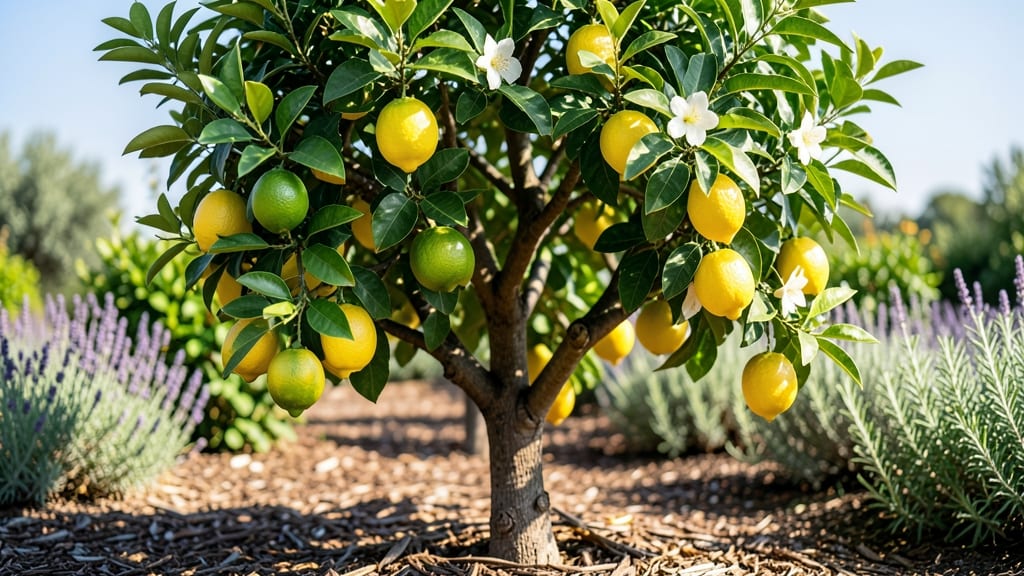
Sour citrus fruit makes an excellent natural fertilizer for acid-loving plants like azaleas, blueberries, and hydrangeas, thanks to its potassium content and ability to lower soil pH. You can use peels in compost or blend juice into water for a nutrient-rich foliar spray.
Sour citrus fruit like lemons, limes, and grapefruits aren't just for cooking—they're packed with potassium and organic acids that help acid-loving plants thrive. 🌿 The natural acidity from these fruits lowers soil pH, creating the ideal environment for plants that struggle in alkaline conditions.
I've found that using citrus peels in compost or brewing a citrus tea works wonders for my blueberry bushes, giving them that extra boost they need to produce vibrant fruit.
What's great about this method is its simplicity and sustainability. Instead of buying chemical fertilizers, you're repurposing kitchen scraps into something beneficial for your garden. Plus, the micronutrients in citrus fruit help improve soil structure and encourage beneficial microbial activity.
Just be mindful not to overdo it—too much acidity can harm plants that prefer neutral or alkaline soil.
💡 In This Article
- How Sour Citrus Fruit Benefits Acid-Loving Plants
- Step-by-Step Citrus Fruit Fertilizer Recipes for Gardeners
How sour citrus fruit benefits acid-loving plants
The real magic of sour citrus fruit in gardening lies in its chemical composition. Lemons, limes, and grapefruits contain citric and malic acids, which naturally lower soil pH when broken down.
These acids dissolve in water to create a weak acid solution (typically pH 2-3), which helps neutralize alkaline soils that many plants find inhospitable. For example, blueberries need soil with a pH between 4.5 and 5.5—citrus can help maintain this range without harsh chemicals. 🌱
Beyond acidity, citrus fruit provides essential nutrients like potassium (about 200-300 mg per lemon) and trace minerals such as magnesium and calcium. Potassium is crucial for plant growth, particularly for root development and disease resistance.
The organic matter from citrus also feeds beneficial soil microbes, which break down nutrients into forms plants can absorb. Think of it like a natural soil probiotic—boosting microbial activity improves nutrient cycling and overall soil health.
What's often overlooked is how citrus affects nutrient availability. In alkaline soils, essential elements like iron and manganese become "locked" and unavailable to plants. The acidity from citrus helps release these nutrients, making them accessible.
I've seen azaleas in my garden transform after using citrus fertilizer—their leaves go from dull to vibrant green, and they flower more prolifically. This happens because the acidity unlocks iron deposits in the soil, which the plants can then use for chlorophyll production. 🌿
However, not all plants benefit equally. While acid-loving plants like hydrangeas and camellias thrive, vegetables such as tomatoes and peppers prefer slightly acidic to neutral soil (pH 6.0-7.0). Overusing citrus can create a soil pH too low (below 4.0), which harms these plants.
The key is balance—use citrus fertilizer judiciously and monitor your soil pH with a simple test kit to avoid creating an environment that's too acidic for your garden's needs.
Another fascinating aspect is the role of citrus in soil structure. The fibrous texture of citrus peels adds organic matter that improves soil aeration and water retention. When composted, these peels break down slowly, releasing nutrients over time rather than all at once.
This gradual release mimics natural ecosystems, where nutrients are continuously cycled through decomposition. For gardeners with heavy clay soil, adding citrus compost can work wonders by improving drainage and root penetration. 💧
To maximize benefits, combine citrus fertilizer with other natural amendments. For instance, pairing it with coffee grounds (another acidifier) or worm castings creates a nutrient powerhouse. The coffee grounds provide additional nitrogen, while worm castings introduce beneficial microbes.
This synergy addresses multiple plant needs simultaneously—acidity, nutrients, and microbial support—without relying on synthetic products.
Remember, the goal isn't just to lower pH but to create an optimal growing environment. Citrus fertilizer works best when used as part of a broader soil management strategy that includes regular testing, proper drainage, and appropriate plant selection.
With the right approach, you'll see healthier plants, better yields, and a more vibrant garden—all while reducing your reliance on chemical fertilizers. 🌺