
Propagation
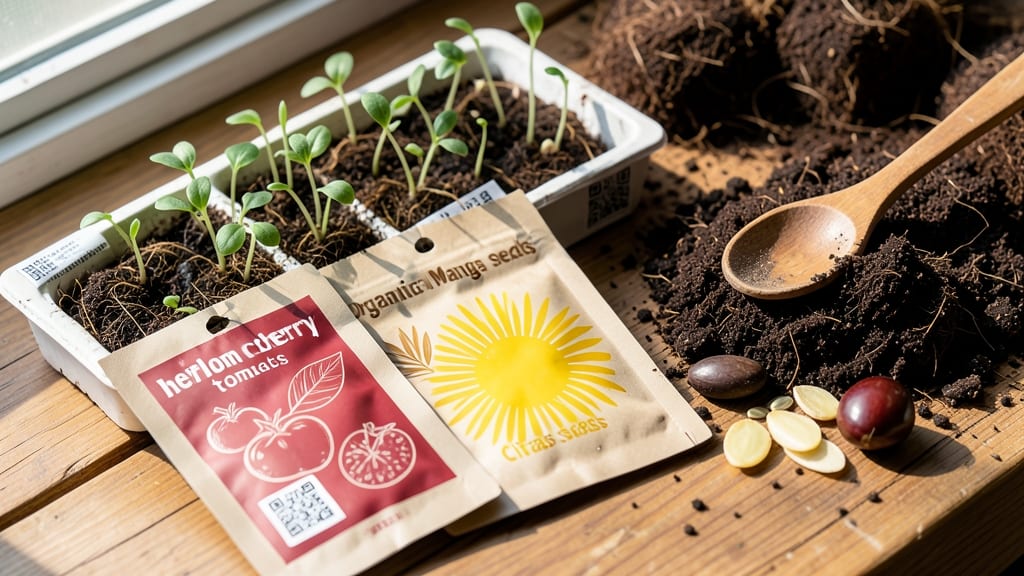
Buying fruit seeds online lets you grow mangoes, citrus, and avocados from your kitchen scraps—no tropical climate required. 🌱 I’ve turned grocery store waste into thriving plants, and the process is simpler than you’d think, especially with the right seed sources.
Start with organic, non-hybrid seeds from reputable sellers who specialize in fruit propagation. Avoid seeds from store-bought fruit (they’re often treated to prevent germination). Look for varieties suited to your USDA hardiness zone—some tropical fruits thrive in containers indoors.
Once you’ve sprouted your seeds, keep them in bright, indirect light and maintain 60-70°F soil temperatures. Most seedlings need 3-6 months before transplanting, and patience pays off when you see that first true leaf.
This method works for citrus, avocados, and even figs—just adjust care based on the plant’s native climate. Here’s how to get started without the guesswork.
📚 In This Guide
- What you need
- Instructions
- Tips and common mistakes
- Wrapping up and next steps
What you need
- ● Fruit seeds – Order from a trusted online supplier (e.g., mango, passionfruit, dragon fruit, or avocado seeds). Tip: Some seeds require pre-treatment (like soaking or scarification), so check the supplier’s guidelines!
- ● Seed-starting trays or small pots – 2–4 inch pots or cell packs (biodegradable or plastic). Quantity: 1–2 per seed type.
- ● High-quality seed-starting mix – Lightweight, sterile, and well-draining (avoid garden soil—it’s too dense!). Tip: Mix in perlite or vermiculite (10–20%) for extra aeration.
- ● Spray bottle – For gentle watering (avoid drowning seeds!).
- ○ Plastic wrap or humidity dome – Keeps moisture in while seeds germinate. Optional: A clear plastic bag works too!
- ● Grow lights or sunny windowsill – Seeds need 6–8 hours of light daily. A small LED grow light (~10–15 watts) is ideal for indoor setups.
- ○ Heat mat (optional but helpful) – Troublesome seeds (like avocado) germinate faster with bottom heat (70–85°F).
- ● pH testing kit – Ensures your soil is in the ideal range (5.5–6.5 for most tropical seeds).
- ● Fertilizer (diluted) – A mild, water-soluble fertilizer (like fish emulsion or seaweed extract) for seedlings after sprouting.
- ● Labeling tags or markers – Track seed types and planting dates (trust us, you’ll forget!).
- ● Transplanting tools – Small trowel or spoon for delicate seedlings.
- ● Patience & a journal – Document germination times, soil conditions, and growth milestones! 📖
How to grow fruit trees from seeds you buy online
Here's how to turn those exotic fruit seeds into thriving young plants—step by step.
🌱 Step 1: Select and Prepare the Right Seeds
Start by choosing high-quality seeds from a reputable online supplier. Look for seeds specifically labeled for fruit trees—some grocery store seeds may be hybridized and won't produce true fruit. Once you receive them, let them dry out for a day if they arrived damp, then store them in a cool, dark place until ready to plant.
Some seeds, like avocado or mango, need special preparation. For avocados, remove the seed from the fruit and wash off any remaining pulp. For mango, soak the seed in warm water for 24 hours to soften the outer shell. This step is critical—it breaks dormancy and encourages faster germination. I always label my seeds with the variety and planting date to avoid confusion later.
💧 Step 2: Plant the Seeds at the Correct Depth and Moisture
Fill small pots (about 3-4 inches deep) with a well-draining seed-starting mix. Moisten it lightly until damp but not soggy—you want the soil to hold moisture without becoming waterlogged. Press the mix down gently to create a firm planting surface.
Plant each seed about ½ inch deep, which is roughly the width of the seed itself. Cover it lightly with additional mix, then mist the surface with water until evenly moist. Don’t overwater—excess moisture can cause the seeds to rot before they germinate. Place the pots in a warm, bright spot (around 70-75°F) and cover them loosely with plastic wrap to retain humidity.
☀️ Step 3: Provide Warmth and Light for Germination
Most fruit tree seeds germinate best in warmth, so place your pots on a seedling heat mat if possible. Without one, a sunny windowsill or under a grow light works, but germination may take longer. Keep the soil consistently moist—never let it dry out completely, but avoid soaking it.
Watch for the first signs of life, which can take anywhere from 7 days to several months, depending on the fruit type. Citrus seeds often sprout within 2-3 weeks, while tropical seeds like papaya may take 4-6 weeks. Once you see the first true leaves (not the initial seed leaves), remove the plastic wrap immediately to prevent fungal growth.
🌿 Step 4: Transplant and Care for Young Seedlings
When seedlings develop 2-3 sets of true leaves, they’re ready to move into slightly larger pots (5-6 inches deep). Gently remove them from their original containers, being careful not to damage the delicate roots. Place them in the new pots with fresh potting mix, burying the stem up to the first set of leaves to encourage stronger growth.
Keep the seedlings in bright, indirect light for the first week after transplanting to reduce stress. Water them when the top ½ inch of soil feels dry, and avoid getting water on the leaves to prevent disease. After two weeks, gradually introduce them to more direct sunlight, increasing exposure by 1 hour daily until they’re acclimated.
⏰ Step 5: Monitor Growth and Prepare for Long-Term Care
Fruit tree seedlings grow slowly at first, so patience is key. Prune leggy growth by pinching back the tips to encourage bushier development. Once they reach 6-12 inches tall, you can transplant them into the ground or larger containers (12+ inches deep).
Here’s the thing—fruit trees grown from seeds often take 3-5 years to bear fruit, and the quality may vary from the parent fruit. If you’re after consistent, high-quality produce, consider grafting later. But if you’re growing for the adventure of it, these seedlings will reward you with unique, hard-to-find varieties.
Tips & tricks for growing exotic fruit trees from seeds
Turning exotic fruit seeds into thriving plants requires patience and precision—here's how to maximize your success.
Seed Preparation Matters: For seeds like mango that require the 24-hour warm water soak, use room-temperature water—not hot—to prevent shocking the seed. I've found that changing the water halfway through the soak (after 12 hours) helps maintain optimal moisture levels for breaking dormancy. This step is especially critical for tropical seeds where the hard outer shell resists water absorption.
Germination Environment: The 70-75°F temperature range mentioned is ideal, but consistency is key. I use a small space heater near my seedling tray when indoor temperatures dip below 70°F—this creates a microclimate that mimics tropical conditions. Place a thermometer near your seeds to monitor temperature fluctuations, as even small drops can delay germination by weeks.
Transplanting Technique: When moving seedlings to 5-6 inch pots with 2-3 sets of true leaves, I recommend using the "root dip" method: Submerge the entire root ball in water for 5 minutes before planting to hydrate the roots. This reduces transplant shock and helps the seedlings establish faster. Gently patting the soil after transplanting also eliminates air pockets that can strangle young roots.
Long-Term Growth Strategy: The 3-5 year timeline to fruiting is accurate, but you can accelerate development by providing 12 hours of sunlight daily once seedlings are established. I supplement with a full-spectrum grow light during winter months when natural light is limited. This extra light boosts photosynthesis and can shave off 6-12 months from the maturation process.
Pro Tips for Fruit Seeds Online
- Turning exotic fruit seeds into thriving plants requires patience and precision—here's how to maximize your success.
- Seed Preparation Matters: For seeds like mango that require the 24-hour warm water soak, use room-temperature water—not hot—to prevent shocking the seed.
- Germination Environment: The 70-75°F temperature range mentioned is ideal, but consistency is key.
Frequently asked questions
Got questions about growing fruit seeds online? You’re not alone! Here are some of the most common queries—and straightforward answers—to help you get started with confidence.
Can I grow any fruit from seeds bought online?
Most fruit seeds sold online are heirloom or non-hybrid varieties, meaning they’ll grow true to the fruit you know and love. However, hybrid fruits (like many store-bought mangoes or strawberries) may not produce the same quality fruit. Always check the seed packet for details—some even specify whether they’re self-pollinating or need a partner plant!
How long does it take for fruit seeds to germinate?
Germination time varies wildly! Tropical seeds (like avocado or citrus) may sprout in 2–6 weeks, while temperate seeds (like apple or pear) can take 3–12 weeks. Some seeds, like those from stone fruits (peaches, plums), might need stratification (cold treatment) to break dormancy. Check the seed supplier’s instructions—or do a quick online search for your specific fruit.
Are online fruit seeds more expensive than grocery store seeds?
Yes, but for good reason! Store-bought seeds (like those in citrus or avocado pits) are often wild cards—they might not grow at all or could take years to fruit. Online seeds are tested, labeled, and often treated for faster germination. Think of it as an investment: a $5 packet could save you years of trial and error (and disappointment!). Plus, many sellers offer bulk discounts for serious gardeners.
Can I grow tropical fruit seeds in cold climates?
Absolutely—but with a few workarounds! Tropical seeds (like mango, papaya, or banana) thrive in USDA Zones 10–12. If you’re in a cooler zone, try these tricks:
- Start seeds indoors in spring and transplant when warm.
- Use a greenhouse or container gardening to control temperature.
- Choose cold-hardy varieties (e.g., some citrus like ‘Improved Meyer’ lemon can handle brief freezes).
What should I do if my fruit seeds won’t germinate?
Don’t panic—seeds can be finicky! First, check if they’re still viable by doing a float test: Soak them in water for 24 hours. Sunk seeds are usually good; floaters are likely dead. If they’re viable but not sprouting:
- Ensure they’re in a warm, moist environment (70–85°F is ideal).
- Try scarifying (lightly sanding the seed coat) for hard shells.
- Consider hormone treatments (like rooting powder) for stubborn seeds.
- If all else fails, contact the seller—reputable suppliers often replace non-germinating seeds.
Wrapping up and next steps
Growing exotic plants from fruit seeds is a rewarding adventure that connects you to nature’s creativity—right from your kitchen! Whether you’re dreaming of a mango tree in your backyard or just love the thrill of propagation, the process is simpler than you think.
With the right seeds from trusted online sources, a little patience, and the tips you’ve learned, you’re well on your way to nurturing your own slice of paradise. 🌱
Ready to take the next step? Start by ordering high-quality seeds from a reputable online seller, then pick your favorite fruit and follow the steps above. Happy growing—and may your garden be as vibrant as the flavors that inspired it! 🍍✨