
Trees
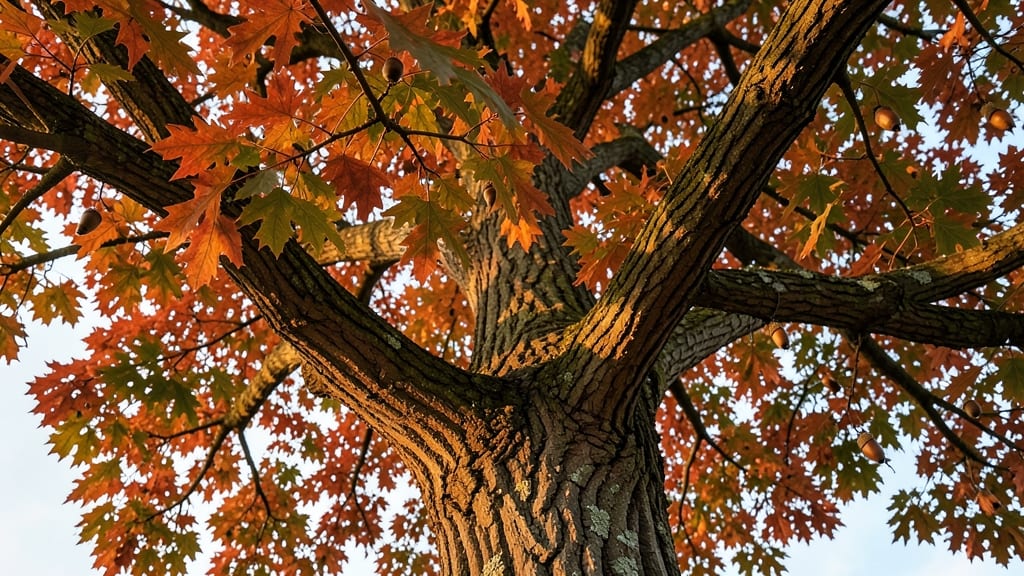
Recognizing trees by their leaf shape can transform your outdoor identification skills. These seven iconic species with distinctive five-lobed leaves are perfect for landscaping, wildlife support, and easy garden cultivation—each offering unique benefits and beauty.
Sugar Maple Tree Identification
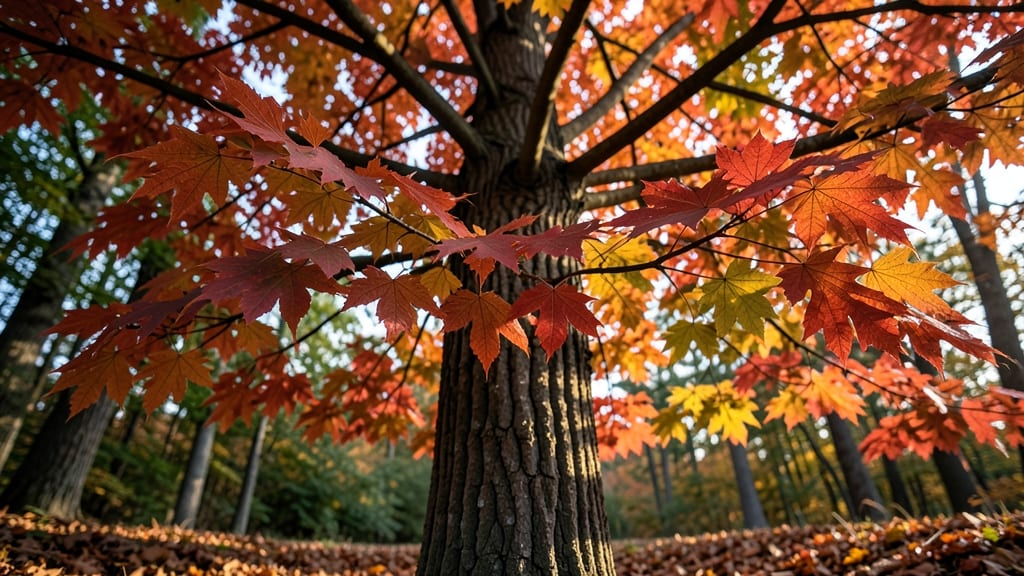
There’s no tree quite as iconic as the sugar maple, with its legendary five-lobed leaves that blaze in fiery reds and oranges each fall. This tree isn’t just a landscape staple—it’s the star of maple syrup production and a symbol of hardy, temperate forests.
Identify it by its deeply lobed leaves (each lobe has pointed "shoulders") and smooth gray bark that develops shallow furrows with age. Sugar maples thrive in well-drained, moist soil and full sun to partial shade, making them perfect for yards in USDA zones 3-8. Their slow growth means they’re low-maintenance once established.
Gardeners in cooler climates will love this tree for its year-round interest, from spring’s fresh foliage to winter’s bare branches against snowy skies. Plus, its dense canopy provides excellent shade and wildlife habitat. 🌻
Silver Maple Tree Characteristics
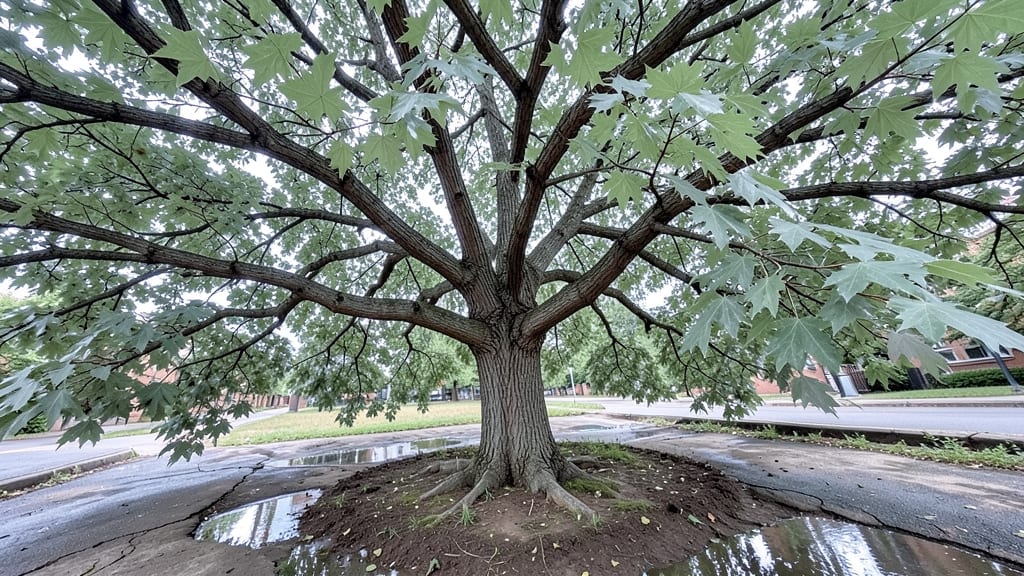
Need a fast-growing shade tree that handles urban stress and soggy soil like a champ? The silver maple (Acer saccharinum) delivers—with stunning silvery undersides that catch the light and a growth rate of 3-5 feet per year. Unlike its refined cousin, the sugar maple, this tree embraces messy landscapes, making it a hero for city lots and riverbanks.
Its five-lobed leaves (though often more rounded than sugar maples) create dappled shade, while its adaptable roots thrive in wet, compacted, or polluted soils. Plant it near stormwater drains or parking lots—it won’t complain. Plus, its early spring flowers and samaras (helicopter seeds) feed birds and bees, turning your yard into a mini wildlife oasis.
Perfect for urban gardeners or anyone craving quick shade, this tree’s only downside? Its weak wood means it’s not long-lived—but for fast results and easy care, it’s unbeatable. 🌟
Boxelder Tree Growing Tips
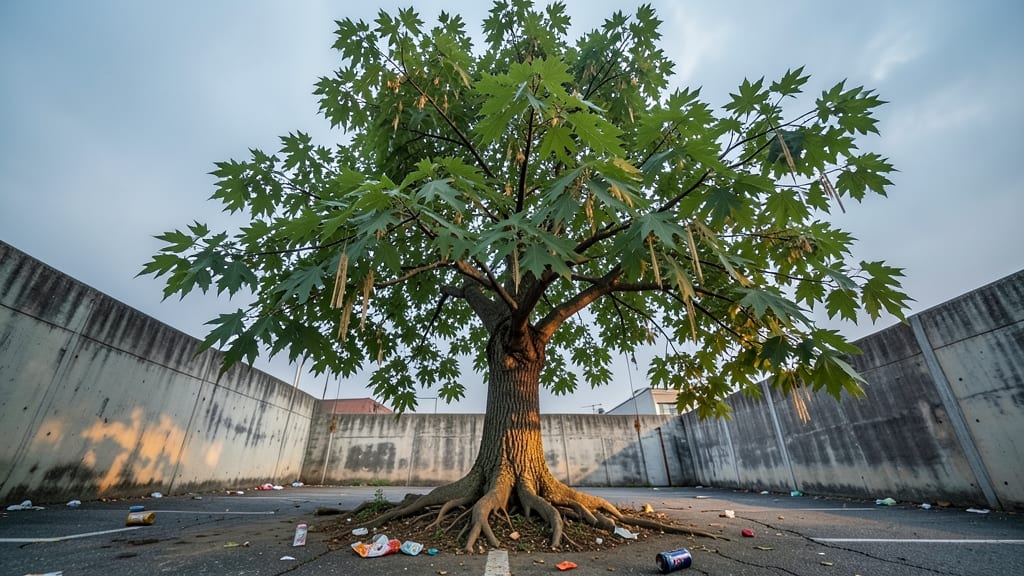
If you're looking for a tree that thrives where others struggle, the boxelder (Acer negundo) is your urban ally. Unlike its finicky cousins, this tree handles pollution, drought, and compacted soil like a champ—ideal for city lots, parking strips, or tight backyards.
Boxelders grow 30-50 feet tall but can be pruned to stay smaller, making them perfect for limited spaces. Their edible samaras (winged seeds) feed birds year-round, while the tree’s fast growth (up to 3 feet annually) provides quick shade. Plant in full sun to partial shade and water deeply during the first year to establish roots.
Perfect for eco-conscious urban gardeners, this tree also offers minimal maintenance once established. Just watch for anthracnose fungus in wet climates—prune for airflow to prevent issues. 💚
Horse Chestnut Tree Benefits
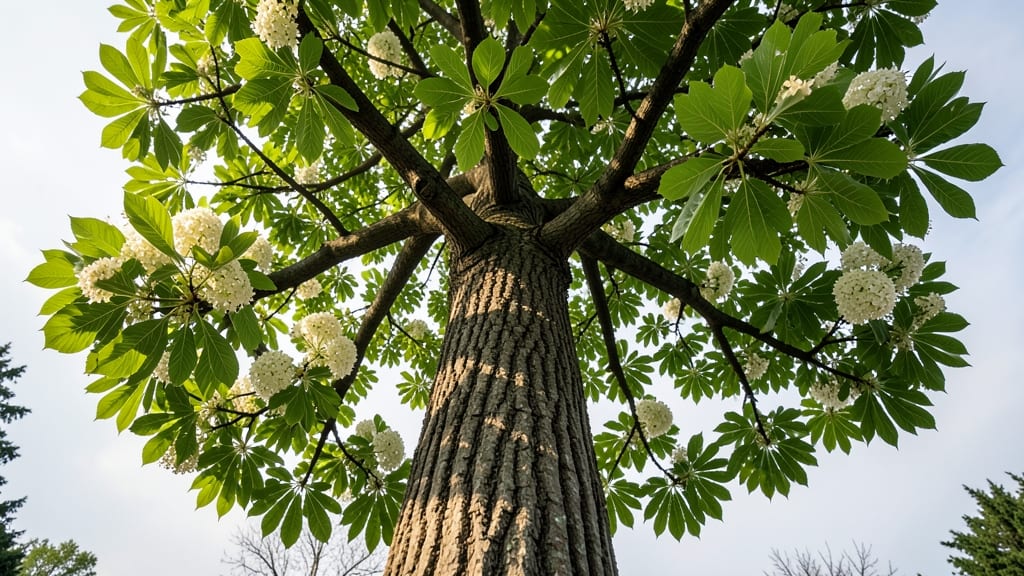
If you're craving a dramatic focal point for your garden or park, the horse chestnut tree delivers with its palmate leaves and towering presence. Unlike other five-lobed trees, its glossy, fan-shaped leaves create a bold architectural statement year-round, while its iconic white flower clusters in spring add a touch of elegance.
This tree thrives in full sun to partial shade and tolerates a range of soil types, though it prefers well-drained conditions. The horse-chestnut seeds (often called conkers) are a hit with wildlife, supporting pollinators like bees and birds. Prune lightly in late winter to maintain its natural shape, but avoid heavy cuts that disrupt its iconic form.
Perfect for formal gardens, parks, or large landscapes, this tree offers seasonal interest without the high-maintenance needs of smaller shrubs. Its striking foliage and ecological benefits make it a standout choice for gardeners who want both beauty and biodiversity. 🌟
Sweetgum Tree Identification Guide
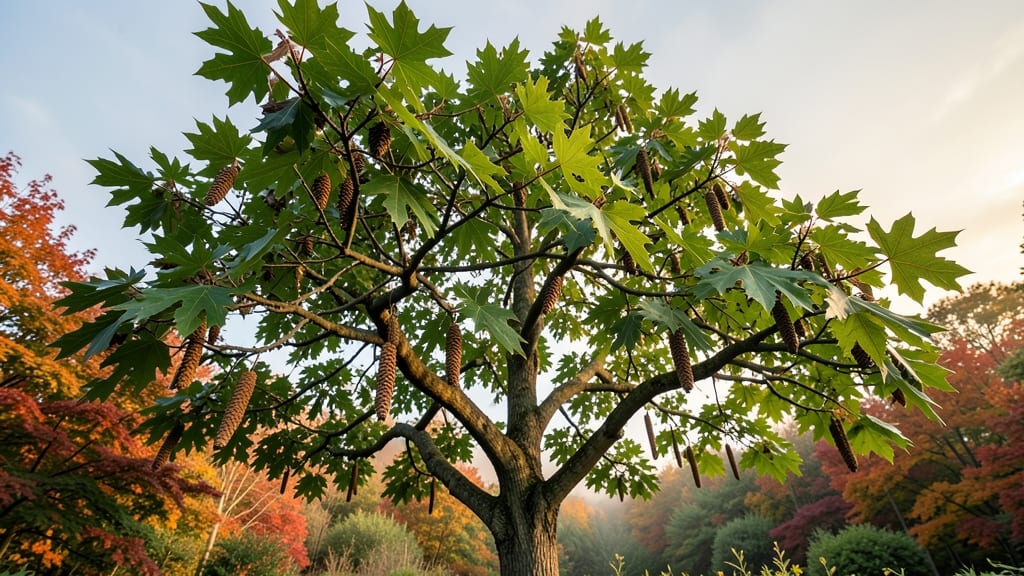
If you're looking for a tree that adds year-round texture to your landscape, the sweetgum tree (Liquidambar styraciflua) is a standout choice. Its star-shaped leaves with five pointed lobes and distinctive spiky seed pods create visual interest in every season, from spring blooms to fiery autumn foliage.
This adaptable tree thrives in both full sun and partial shade, making it perfect for urban gardens or wooded areas. Its deep roots help prevent soil erosion, and it tolerates a wide range of soil types, including clay. Just watch for those seed pods—they can become a nuisance if not managed, but they also add a unique winter texture to the landscape.
Gardeners who love low-maintenance, multi-season interest will appreciate the sweetgum’s ability to handle heat and drought once established. It’s also a great option for those seeking a tree that supports local wildlife. 🌟
Tulip Tree Leaf Features
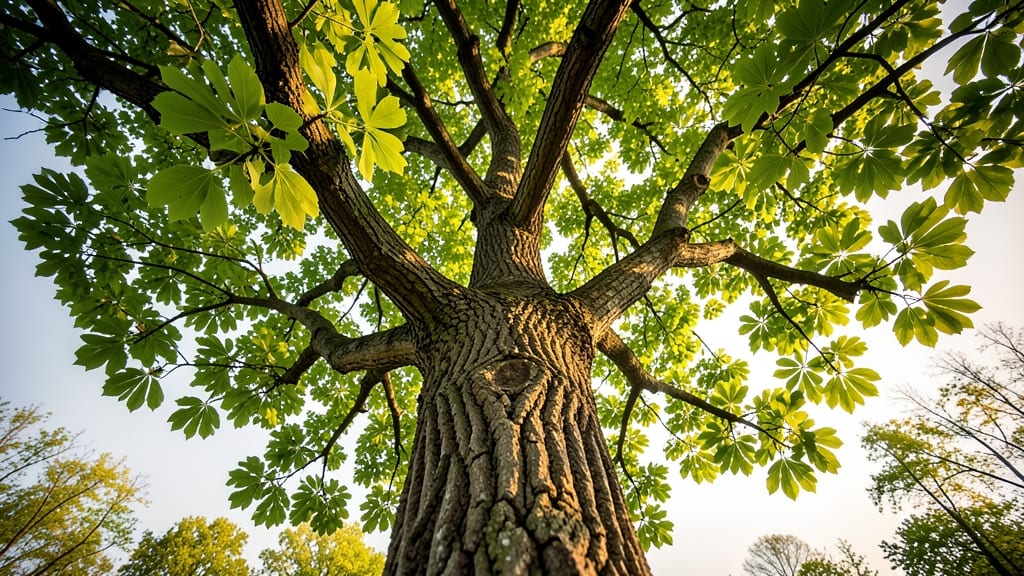
The tulip tree (Liriodendron tulipifera) stands out with its tulip-shaped leaves—a rare five-lobed structure that resembles a flower rather than a traditional leaf. This fast-growing giant reaches heights of 70-90 feet, making it a top choice for privacy screens and large landscapes where dramatic impact matters.
Its leaves, 4-6 inches wide with four distinct lobes (sometimes five), emerge bright green in spring and turn golden-yellow in fall. The tree thrives in full sun to partial shade and adapts to various soils, though it prefers moist, well-drained conditions. Plant it 15-20 feet from structures due to its expansive root system and towering growth.
Perfect for homeowners seeking quick shade or wildlife-friendly landscapes, the tulip tree’s striking foliage and rapid growth make it a standout. Just watch for its messy seed pods in fall. 🌟
Red Oak Tree Cultivation
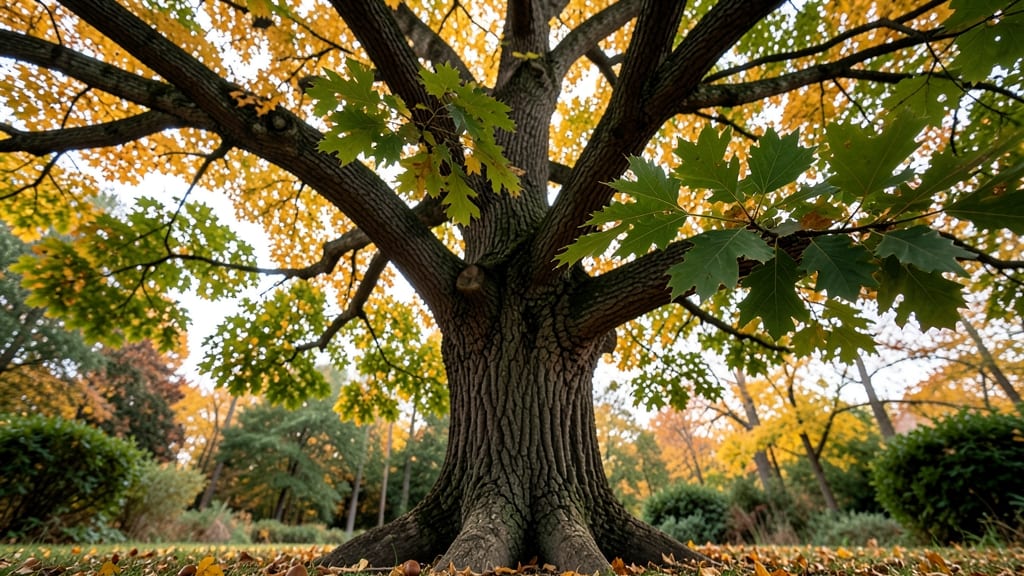
If you're looking for a tree that combines durable wood, wildlife magnetism, and iconic foliage, the red oak delivers on all fronts. Its bristle-tipped lobes set it apart from other five-lobed trees, creating a rugged charm that thrives in diverse climates—from urban parks to mature forests.
Plant your red oak in full sun with well-drained soil, giving it space to grow into a 60-80 foot monarch. Prune young trees to encourage strong branching, and watch as it becomes a year-round wildlife hub, hosting over 500 insect species and providing acorns for squirrels and deer. The wood is prized for furniture and flooring, ensuring your tree's legacy extends beyond its lifetime.
Perfect for long-term forestry projects or as a landscape centerpiece, this oak rewards patience with stunning fall colors and unmatched structural beauty. 🌟