
Fertilization
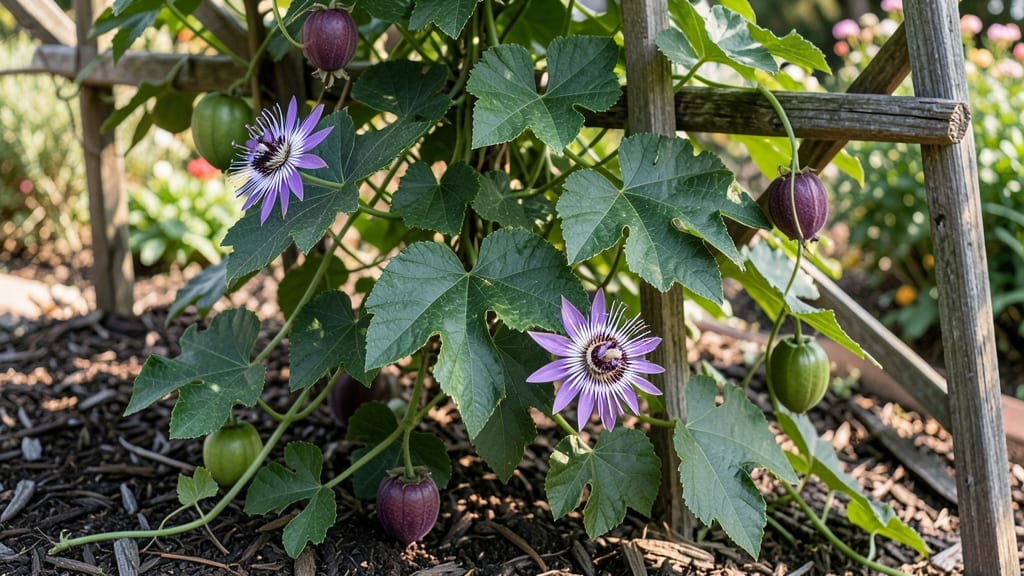
Understanding passion fruit names reveals a world of botanical diversity, where Passiflora edulis (purple granadilla) and Passiflora ligularis (sweet granadilla) lead the pack alongside tropical varieties like Passiflora incarnata (maypop) and Passiflora caerulea (blue passionflower). Each variety brings unique flavors, colors, and growing requirements to the table.
The genus Passiflora encompasses over 500 species, many of which are cultivated for their edible fruits. 🌿 What sets these varieties apart isn't just their names but their distinct characteristics—from the deep purple pulp of Passiflora edulis to the yellow rind of Passiflora ligularis, which is prized for its sweeter, more aromatic flesh.
These differences extend beyond appearance, too; some varieties thrive in tropical climates while others adapt to subtropical regions, making them ideal for home gardeners in different zones.
The naming conventions often reflect regional preferences, like "maracujá" in Brazil or "lilikoʻi" in Hawaii, adding another layer of cultural significance to these fascinating plants.
For those interested in gardening, identifying these varieties by appearance can be both rewarding and practical. 🌱 The size, shape, and texture of the fruit, along with the color of the rind and seeds, provide key clues.
For example, Passiflora edulis typically produces oval-shaped fruits with a glossy purple rind, while Passiflora ligularis features rounder, yellow-skinned fruits. Understanding these visual cues helps gardeners select the right variety for their climate and flavor preferences, ensuring a successful harvest.
💡 In This Article
- Scientific Classification and Common Passion Fruit Species
- How to Identify Passion Fruit Varieties by Appearance
Scientific classification and common passion fruit species
The genus Passiflora belongs to the Passifloraceae family, a group of flowering plants known for their intricate, crown-shaped blooms that symbolize the Passion of Christ—hence the name "passion fruit." 🌺 Within this genus, over 500 species exist, but only about 40 produce edible fruits.
The two most commercially significant species are Passiflora edulis (purple granadilla) and Passiflora ligularis (sweet granadilla), which differ in genetic makeup, fruit chemistry, and agricultural traits.
Passiflora edulis thrives in tropical and subtropical climates, particularly in regions like Brazil, Colombia, and Kenya, where it’s called "maracujá" or "granadilla." Its fruits typically measure 3-5 inches long, with a thick, glossy purple rind and a tart, tangy pulp containing 200-300 seeds. The pulp’s high acidity (pH ~3.5) comes from citric and malic acids, while its vibrant color stems from anthocyanins—antioxidant pigments that also give blueberries their hue. In contrast, Passiflora ligularis (sweet granadilla) produces rounder, 2-3 inch fruits with a yellow rind and a sweeter, more aromatic pulp, thanks to lower acidity and higher sugar content (up to 12% by weight).
Beyond these two, tropical varieties like Passiflora incarnata (maypop) and Passiflora caerulea (blue passionflower) showcase even greater diversity. Maypop, native to the southeastern U.S., grows 3-4 inch fruits with a hard, woody rind and a sweet-tart pulp, while blue passionflower—though not typically eaten—produces edible fruits in cooler climates.
These species highlight how passion fruits adapt to different environments, with some developing thicker rinds in drier climates or sweeter flavors in regions with more sunlight.
Regional naming adds another layer of complexity. In Brazil, "maracujá" refers to Passiflora edulis, while in Hawaii, "lilikoʻi" encompasses multiple species, including hybrids. This linguistic diversity reflects how passion fruits have been integrated into local cuisines—from Brazilian bolo de maracujá (passion fruit cake) to Hawaiian lilikoʻi smoothies.
The scientific names, however, remain consistent, serving as a universal language for botanists and gardeners alike.
What most people don’t realize is how passion fruit species can hybridize, creating new varieties with unpredictable traits. For example, crossing Passiflora edulis with Passiflora ligularis might yield fruits with intermediate sweetness or rind colors.
This natural crossbreeding is why some commercial passion fruits on grocery shelves may not match the classic descriptions—breeders often select for disease resistance, yield, or flavor profiles tailored to specific markets. 🌍
For gardeners, understanding these classifications is key to selecting the right species for your climate. Passiflora edulis prefers USDA zones 9-11 and well-drained soil, while Passiflora incarnata can tolerate cooler zones (7-11) and even partial shade.
The choice between species often comes down to flavor preference—tart lovers gravitate toward Passiflora edulis, while those seeking sweeter, more aromatic fruits opt for Passiflora ligularis.
The beauty of passion fruits lies in their botanical and cultural richness—each species tells a story of adaptation, flavor, and human connection to the land.
Whether you're growing them for culinary use or simply admiring their unique flowers, these plants offer a fascinating glimpse into the diversity of the natural world. 🌿