
How To
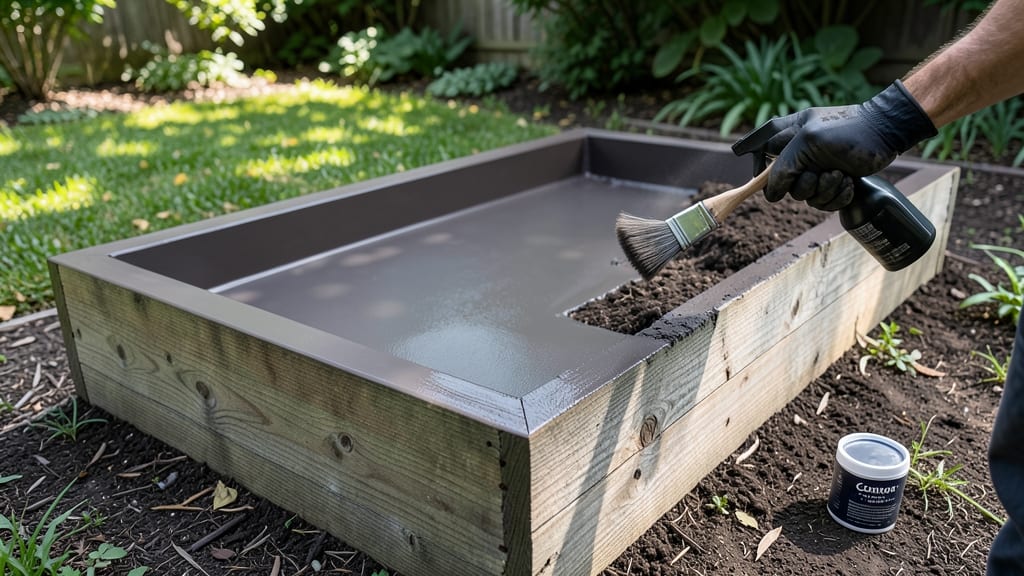
To choose a raised bed sealer, pick between natural options like linseed oil or synthetic sealants such as polyurethane, apply it during dry weather after construction or before planting, and maintain proper airflow for healthy roots.
Selecting the right raised bed sealer depends on your priorities—natural options like linseed oil or beeswax blends offer eco-friendly benefits but require more frequent reapplication, while synthetic sealants like polyurethane provide long-lasting protection. 🌱 The best time to apply is during dry weather, either right after building your bed or before planting season, to prevent moisture issues.
Always prep the surface by removing debris and sanding rough edges for even coverage.
Proper ventilation is key: sealers can trap moisture if applied too thickly, leading to root rot. I recommend testing a small area first to check for plant sensitivity, especially with chemical-based products.
For organic gardens, natural sealers work well but may need annual touch-ups, whereas synthetic options last longer but could raise concerns about chemical runoff.
💡 In This Article
- Types of Raised Bed Sealers: Natural vs Synthetic Options
- Best Timing and Application Tips for Raised Bed Sealers
Types of raised bed sealers: natural vs synthetic options
Natural sealers like linseed oil and beeswax blends work by penetrating wood fibers, creating a protective barrier that allows moisture to escape while repelling water. Linseed oil, made from flaxseed, contains drying oils that polymerize over time, forming a hard, durable finish.
This process takes about 48-72 hours for full cure, during which the wood absorbs the oil deeply—typically 1/8-inch to 1/4-inch penetration depth. The result is a warm, amber hue that enhances wood grain visibility, making it ideal for cedar or redwood beds where aesthetics matter. 🌿
Synthetic sealers, such as polyurethane or acrylic-based products, form a plastic-like film on the wood's surface, blocking water and UV rays more aggressively. Polyurethane, for example, comes in oil-based or water-based formulas, with oil-based versions offering 5-10 years of protection but emitting strong fumes during application.
Water-based polyurethane dries faster (2-4 hours) and has lower VOCs, making it safer for indoor use or when working near plants. However, this surface film can trap moisture if not properly ventilated, potentially leading to mold or rot beneath the sealant.
The eco-friendliness of your choice directly impacts soil health. Natural sealers break down over time, contributing organic matter to the soil, while synthetic sealants may leach chemicals that could harm beneficial microbes or contaminate runoff.
For example, a 1-gallon can of linseed oil contains no synthetic additives, whereas polyurethane may include 10-20% solvents or resins by volume. If you're growing edible plants, natural options are clearly safer, though they require more frequent reapplications—typically every 1-2 years for linseed oil.
Application ease varies dramatically between the two. Natural sealers often require 3-4 coats with thorough sanding between layers to prevent buildup, while synthetic sealants may achieve full protection in just 2 coats. The trade-off?
Natural sealers need 21-28 days of curing time between coats to avoid sticking or peeling, whereas polyurethane can be recoated in as little as 4 hours. For busy gardeners, synthetic options save time, but they lack the breathability that helps wood resist cracking in freeze-thaw cycles.
Consider your plants' sensitivity too. Some herbs and vegetables, like tomatoes or peppers, may absorb trace chemicals from synthetic sealants through root uptake. A study from the Journal of Environmental Quality found that polyurethane can leach phthalates and formaldehyde into soil under certain conditions.
Natural sealers avoid this risk entirely, though they may attract more pests like termites if not reapplied regularly. The key is balancing protection with plant safety—especially in organic gardens.
For a middle-ground solution, some gardeners use a 50/50 blend of linseed oil and beeswax, which adds a slight sheen while remaining plant-safe. This hybrid approach offers 3-5 years of protection with minimal chemical exposure.
Always test your chosen sealer on a small, inconspicuous area first—some woods, like pine, may react poorly to certain formulations, causing discoloration or warping. 🔍