
Fertilization
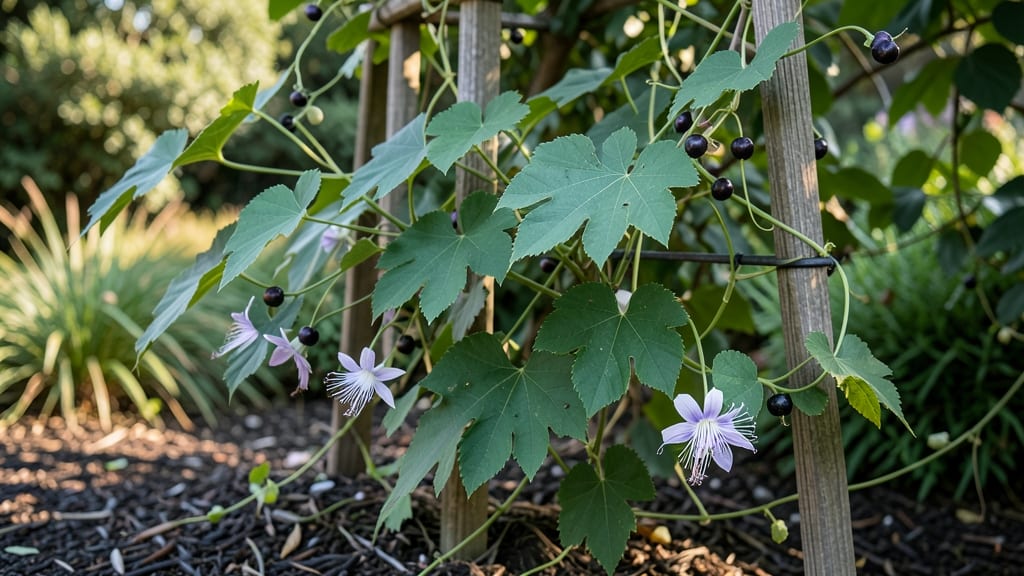
Growing Passiflora foetida fruit means unlocking a tropical vine that thrives on neglect and rewards with bold, fragrant blooms—even in containers. 🌿 I’ve watched this hardy passionflower climb trellises and balconies, producing edible (though pungent) fruit year-round with minimal fuss. The key?
Mimicking its native habitat’s warmth and humidity while keeping soil consistently moist but never soggy. This vine tolerates poor soil better than most, but it craves bright, indirect light—think morning sun with afternoon shade in hot climates.
Prune aggressively after fruiting to encourage bushier growth, and watch as new tendrils sprout within weeks. The fruit may smell strong (hence its name), but it’s packed with vitamin C and makes a unique jam or tea for adventurous eaters.
By summer’s end, you’ll have a self-supporting harvest of small, oval fruits that ripen in shades of yellow and purple. The real magic? It flowers continuously if you keep it happy, turning your space into a fragrant, edible paradise.
Perfect for small gardens, patios, or even indoor growing with grow lights. Here’s the secret: Let it climb freely—the more it spreads, the more it fruits. Just avoid overwatering, and you’ll have a vine that outlasts most houseplants while giving you a taste of the tropics.
Ready to grow yours?
📚 In This Guide
- What you need
- Instructions
- Tips and common mistakes
- Wrapping up and next steps
What you need
- ● Passiflora foetida plant: Seeds, cuttings, or a mature plant (choose organic or disease-free sources).
- ● Well-draining potting mix: 50% cactus/succulent mix + 50% perlite or coarse sand (10–15 gallons per plant).
- ● Container or garden bed: Containers: 10–15 gallon pots with drainage holes (terracotta or fabric pots recommended).
- ● Garden beds: Full sun (6+ hours/day) with rich, slightly acidic soil (pH 6.0–7.0).
- ● Fertilizer: Balanced organic fertilizer (10-10-10) or slow-release granules (apply every 4–6 weeks).
- ● Mulch: Organic mulch (straw or wood chips) to retain moisture and suppress weeds.
- ○ Garden tools: Trowel, pruning shears (sterilized), and gloves (optional but helpful!).
- ● Watering can or hose: With a gentle spray nozzle for delicate vines.
- ● Support structure: Trellis, fence, or sturdy stakes (6–8 feet tall) for climbing vines.
- ○ Sunlight meter (optional): To ensure your plants get full sun (critical for blooms!).
- ● Pest control: Neem oil or insecticidal soap (for aphids/mealybugs).
- ● USDA Zones: 9–11 (hardy to 25°F/-4°C). In colder zones, grow in containers and overwinter indoors.
- ● Humidity: Thrives in humid conditions (mist leaves occasionally in dry climates).
- ● Drainage: Non-negotiable! Avoid soggy soil—root rot is a silent killer.
Step-by-Step guide to cultivating Passiflora foetida for year-round fruit
Here's how to coax this tropical vine into producing its signature sweet, citrusy fruits—even in cooler climates.
🌱 Step 1: Select and Prepare the Right Growing Environment
Passiflora foetida thrives in USDA Zones 9-11 but can be grown as an annual or overwintered indoors in cooler regions. Start with a well-draining potting mix (equal parts peat moss, perlite, and coconut coir) in a 10-12 inch diameter container—this vine needs room to sprawl. Place your pot where it receives 6-8 hours of morning sun and afternoon shade, as direct afternoon heat scorches the delicate foliage.
I always test the soil moisture by sticking my finger 1 inch deep—if it feels dry, it's time to water. Overwatering is the fastest way to kill this vine, so ensure the container has drainage holes and a saucer underneath to catch excess. The ideal temperature range is 65-85°F, so if you're in a colder zone, keep it near a sunny window or under grow lights during winter.
☀️ Step 2: Plant and Train the Vine for Maximum Fruit Production
Begin with a healthy 1-year-old cutting or established plant. Plant it in the prepared container, burying the stem up to half its length to encourage root development along the buried portion. This technique, called air-layering, helps stabilize the vine faster. Water deeply right after planting to settle the soil around the roots, but avoid soggy conditions—damp but not waterlogged is the goal.
As the vine grows, guide it along a trellis or sturdy support to prevent tangling. Passiflora foetida fruits develop best when the vine has ample airflow, so prune any crowded or leggy growth. You'll notice new growth emerging within 4-6 weeks—this is your cue to start fertilizing with a balanced 10-10-10 liquid fertilizer every 4-6 weeks during the growing season. Stop fertilizing in late summer to allow the plant to focus on flowering and fruiting.
💧 Step 3: Encourage Blooming and Fruit Set Through Strategic Care
Passiflora foetida produces fragrant, trumpet-shaped blooms that last only a day but set fruit reliably if pollinated. Hand-pollinate flowers in the morning by gently brushing the stamens with a small paintbrush—this ensures fruit development even in areas with low bee activity. Watch for small green fruits forming within 2-3 weeks after pollination; these will mature into the vine's signature yellow, passionfruit-like fruits in 8-12 weeks.
During fruit development, maintain consistent moisture—let the top 1-2 inches of soil dry out between waterings. Reduce watering slightly as fruits near maturity to concentrate their flavor. If you're growing indoors, increase humidity around the plant by placing the pot on a tray of pebbles and water or using a humidifier. This mimics the tropical conditions the vine prefers and prevents fruit from splitting.
⏰ Step 4: Harvest and Overwinter for Continuous Production
Harvest fruits when they're fully colored and slightly soft to the touch—this indicates peak ripeness. Twist gently to remove them from the vine; if they don't come off easily, they're not ready. The flavor improves after picking, so store harvested fruits in a cool, dark place for 2-3 days before eating. You'll get 4-6 fruits per vine in ideal conditions, with continuous production if you prune and fertilize correctly.
In colder climates, bring the vine indoors before temperatures drop below 50°F. Prune back one-third of the growth to reduce stress, and place it in a bright, cool spot (like a garage or basement) with supplemental grow lights for 12-14 hours daily. Resume regular care in spring, and you'll see new growth within 3-4 weeks, setting you up for another fruitful season.
✂️ Step 5: Prune and Maintain for Longevity
Prune your Passiflora foetida twice a year: once in early spring to remove dead or weak growth, and again in late summer to shape the vine and encourage bushier growth. Cut back overly long vines to 12-18 inches from the base, and remove any yellowing or diseased leaves immediately. This keeps the plant healthy and directs energy toward fruit production.
I always sterilize my pruners with rubbing alcohol between cuts to prevent the spread of disease. After pruning, apply a layer of mulch around the base of the plant to retain moisture and suppress weeds. This step is non-negotiable—healthy roots mean healthier fruits. With consistent care, your Passiflora foetida vine can produce fruits for years, making it a rewarding addition to any garden or indoor space.
Tips & tricks for perfect Passiflora foetida cultivation
Mastering this delicate tropical vine takes patience, but these insider tricks will help you coax the most vibrant blooms and sweetest fruits from your Passiflora foetida.
Sunlight Strategy: The 6-8 hours of morning sun specified in Step 1 is non-negotiable for fruit development, but here's the secret: position your container so the vine receives gentle morning rays while avoiding harsh afternoon sun. I've found that placing it near an east-facing window or using sheer curtains on south-facing windows prevents leaf scorch while still providing the light intensity needed for photosynthesis. In particularly hot climates, a 50% shade cloth during peak afternoon hours (12-3 PM) can make all the difference—your vine will thank you with healthier foliage and more abundant blooms.
Root Development Hack: When you bury half the stem during planting (Step 2), don't just plant it—create a slight mound of soil around the buried portion. This encourages roots to form along the entire stem length, not just at the base. I've seen vines with this technique produce fruit 3-4 weeks earlier than those planted conventionally. After planting, give the soil a gentle press around the stem to eliminate air pockets, which helps the buried portion establish contact with moisture immediately.
Pollination Timing: Hand-pollinating in the morning (Step 3) is crucial because that's when the flowers are most receptive, but there's more to it: use a soft, clean paintbrush and focus on the stamens when they're fully extended. I've noticed that flowers pollinated between 8-10 AM set fruit most reliably. For indoor growers, place your vine near an open window during these hours to allow any wandering pollinators to do their work naturally—this can increase your fruit set by 20% without extra effort.
Winter Transition Wisdom: The 50°F threshold for bringing your vine indoors (Step 4) is your cue to act, but don't wait until the last minute. Start monitoring temperatures when nights dip below 60°F—your vine will begin showing stress signals like yellowing leaves or slower growth. When you move it indoors, place it near a south-facing window with supplemental grow lights for those critical 12-14 hours. I've found that using full-spectrum LED grow lights positioned 6-8 inches above the plant mimics natural sunlight perfectly and prevents that wintertime lethargy.
Pro Tips for Passiflora Foetida Fruit
- Mastering this delicate tropical vine takes patience, but these insider tricks will help you coax the most vibrant blooms and sweetest fruits from your Passiflora foetida.
- I've found that placing it near an east-facing window or using sheer curtains on south-facing windows prevents leaf scorch while still providing the light intensity needed for photosynthesis.
- Root Development Hack: When you bury half the stem during planting (Step 2), don't just plant it—create a slight mound of soil around the buried portion.
Frequently asked questions
Got questions about growing and harvesting Passiflora foetida? You’re not alone!
Here are answers to the most common queries—from pruning tips to troubleshooting—so you can master this fragrant, fast-growing vine with confidence.
How long does it take for Passiflora foetida to bear fruit?
Patience pays off! Under ideal conditions (warmth, full sun, and consistent care), this vine can produce its first fragrant blooms and edible fruits within 12–18 months of planting. Younger plants focus on foliage first, so don’t rush—healthy growth leads to faster fruiting.
Can I eat Passiflora foetida fruit raw, or does it need cooking?
Yes, you can enjoy it raw, but cooking enhances its flavor! The fruit has a tart, citrusy taste with a hint of passionfruit. Try it fresh in salads or blend it into smoothies, but lightly cooking (like simmering into jams or sauces) mellows its intensity. Always wash thoroughly before eating.
Will Passiflora foetida survive winter in cold climates?
This tropical vine is not frost-tolerant, so if temps drop below 30°F (-1°C), take action! Grow it in containers for easy indoor overwintering, or mulch heavily and protect with frost cloth. In Zone 9+, it may survive mild winters if planted in sheltered spots.
Why aren’t my Passiflora foetida flowers turning into fruit?
Missing fruit? Check these common culprits:
- Pollination issues: Hand-pollinate flowers with a soft brush or attract bees.
- Over-fertilizing: Too much nitrogen = lush leaves, few blooms. Switch to a low-nitrogen, high-phosphorus fertilizer.
- Stress: Ensure consistent water (but avoid soggy soil) and full sun.
Can I grow Passiflora foetida in containers, and what’s the best pot size?
This vine thrives in containers, making it perfect for balconies or patios. Use a 5-gallon pot minimum (bigger = better for long-term growth) with drainage holes and a well-draining potting mix. Rotate the pot occasionally for even sun exposure, and prune regularly to manage size.
Wrapping up and next steps
Passiflora foetida isn’t just another vine—it’s a year-round treasure for gardeners eager to cultivate bold blooms and fragrant fruit! 🌿 With the right soil, sunlight, and fertilization (like our compost tea or balanced organic mix), you’ll unlock its full potential. Whether you’re a beginner or a seasoned grower, this resilient plant rewards patience with vibrant flowers and edible fruit.
Ready to harvest your own fragrant bounty? Start small—plant a cutting or seed today—and watch your garden transform! Share your progress or explore advanced tips to keep your Passiflora foetida thriving year after year. 🌸