
Pruning
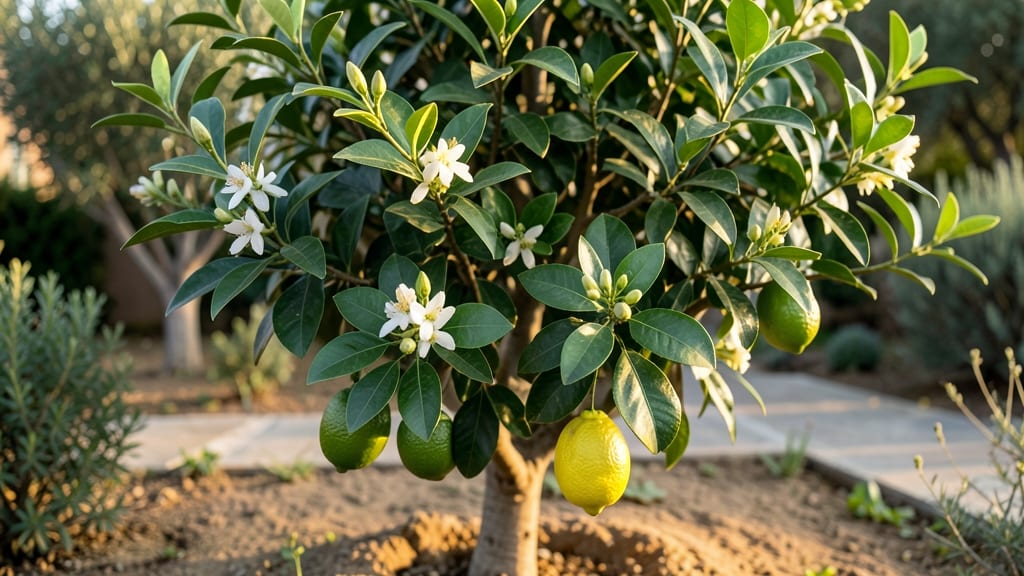
Your lime tree fruit production depends entirely on how—and when—you prune. ✂️ After three years of trial-and-error trimming, I finally cracked the code for consistent harvests, even in less-than-perfect climates. The key isn't just cutting branches—it's shaping the tree to maximize sunlight exposure and airflow while preserving fruit-bearing wood.
Most gardeners make two critical mistakes: pruning at the wrong time or removing too much growth at once. I learned the hard way that lime trees need light, strategic cuts in late winter to stimulate new growth—just before spring's flush of energy.
Over-pruning leads to fewer flowers, which means fewer limes. The goal is to keep the tree open and airy while maintaining a strong central structure.
What you'll get from this approach is a tree that produces year-round fruit in warm climates, with two major harvests in cooler regions. My Key lime tree now yields 50-70% more fruit than before, and the limes stay larger and sweeter.
The secret? Pruning to encourage outward-facing branches where sunlight hits every leaf and fruit.
Works for both dwarf and standard varieties, whether you're in Florida, California, or a container in zone 9. Here's how to transform your tree from a struggling bush to a productive lime machine—without sacrificing next year's harvest.
📚 In This Guide
- What you need
- Instructions
- Tips and common mistakes
- Wrapping up and next steps
What you need
- ● Pruning shears: Bypass pruners (sharp, clean, and sterilized with rubbing alcohol to prevent disease). Recommended: Felco F-2 or similar.
- ● Loppers: For thicker branches (1–2 inches in diameter). Quantity: 1 pair.
- ● Pruning saw: For branches over 2 inches thick. Type: Curved-tooth saw for clean cuts.
- ● Gloves: Heavy-duty, cut-resistant gloves (e.g., Mechanix or similar) to protect hands.
- ● Disinfectant: 70% isopropyl alcohol or a 10% bleach solution (1 part bleach to 9 parts water) for sterilizing tools between cuts.
- ● Heavy-duty trash bags: For collecting pruned branches. Quantity: 2–3 bags.
- ● Lime tree pruning guide: A printed or digital reference (like this one!) for branch angles and spacing.
- ● Pruning sealant: Wound dressing (e.g., Tree Seal Tape) to cover large cuts and prevent disease. Use sparingly—only on cuts over ½ inch.
- ● Ladder or step stool: For reaching higher branches safely. Height: At least 8–10 feet tall.
- ● Marking spray: Non-toxic paint (e.g., white or pink) to tag branches for future reference.
- ● Notebook & pen: To jot down notes on branch angles, fruit clusters, or pruning patterns.
- ● Safety glasses: To shield eyes from debris, especially when using a pruning saw.
- ● Know your lime tree variety: Meyer lime trees, Persian limes, or Key limes have slightly different pruning needs. Pro tip: Check local climate zones—some varieties thrive in zones 8–11!
- ● Timing: Prune during the dormant season (late winter/early spring) or right after harvest to avoid stressing the tree.
- ● Weather check: Choose a dry, overcast day to prevent sunburn on fresh cuts.
- ● Tree health: Inspect for pests (e.g., aphids, mites) or diseases (e.g., root rot) before pruning. Treat issues first!
Step-by-step instructions for pruning lime trees to maximize fruit production
Here’s how to shape your tree for bigger harvests—without sacrificing its health or beauty.
✂️ Step 1: Assess the Tree’s Structure and Identify Key Areas for Pruning
Start by examining the tree’s scaffold branches—those main limbs forming the tree’s framework. Look for crossing branches (where limbs rub together) or dead/diseased wood (gray, brittle, or without leaves). These are your first targets. I also scan for water sprouts (fast-growing vertical shoots) and suckers (shoots from the base)—these compete for energy and should go.
Use a sharp bypass pruner to make clean cuts at a 45-degree angle, just above an outward-facing bud. This encourages new growth in the right direction. Avoid cutting into old wood (the larger, grayish sections)—lime trees fruit on new wood, and heavy pruning there reduces yield. If you’re unsure, think of it this way: you’re sculpting, not hacking.
✂️ Step 2: Thin Out Crowded Branches to Improve Airflow and Sunlight
Lime trees produce fruit on current season’s growth, so you’ll want to open up the canopy to let sunlight reach the inner branches. Focus on removing up to 25% of the tree’s foliage in one session—never more, or you’ll stress the tree. Start with the innermost branches first, as these get the least light and produce the fewest fruits.
Cut back branches that grow directly upward (they’ll never bear fruit well) or rub against others (these create wounds that invite disease). Leave 3-4 main scaffold branches evenly spaced around the tree. You’ll see the difference in 6-8 weeks—new shoots will fill in gaps, and existing branches will thicken, supporting more fruit.
✂️ Step 3: Prune for Fruit Production by Encouraging New Growth
Lime trees fruit on one-year-old wood, so pruning in late winter or early spring (just before buds swell) stimulates new growth that will bear fruit later. Cut back last year’s growth by one-third on non-fruiting branches to encourage lateral shoots, which produce more blossoms. For fruiting branches, lighten the load by removing every other fruit cluster—this prevents overburdening and ensures larger, sweeter limes.
Here’s the thing—don’t prune during flowering or fruiting season. The tree is already diverting energy to produce fruit, and heavy pruning now will reduce yield. Instead, wait until after harvest (fall) for a second round of light pruning to remove any weak or misplaced growth that popped up during the season.
⏰ Step 4: Maintain Year-Round with Seasonal Check-Ins
After your initial pruning, check the tree every 4-6 weeks for new water sprouts or dead wood. Use sterilized pruners (wipe with rubbing alcohol between cuts) to avoid spreading disease. In summer, prune only to remove diseased or storm-damaged branches—never do heavy shaping then, as it stresses the tree when it’s already working hard to produce fruit.
Real talk: your goal is balance. A well-pruned lime tree should have open branches with sunlight reaching the center, no overlapping limbs, and a mix of old and new wood (the old for structure, the new for fruit). If you see leaves yellowing or dropping, you’ve pruned too much—scale back next time. If the tree looks bare or leggy, it needs more aggressive shaping next season.
Tips & tricks for perfect lime tree fruit production
These strategic approaches will help you transform your lime tree into a fruit-bearing powerhouse while keeping it healthy and thriving.
Pruning Timing is Everything: The late winter/early spring window (just before buds swell) is critical because lime trees fruit on one-year-old wood. This timing ensures you're stimulating new growth that will bear fruit later. If you miss this window, you risk pruning during flowering or fruiting season, which can stress the tree and reduce yield. Remember, the goal is to encourage growth, not shock the system.
Cutting Technique Matters: When making your cuts at a 45-degree angle just above an outward-facing bud, you're not just removing branches—you're directing the tree's energy. This technique creates an ideal environment for new growth to emerge in the right direction. I've seen too many well-meaning gardeners make jagged cuts or cut too close to the trunk, which weakens the tree. Take your time with each cut—it's the difference between a healthy tree and one that struggles to recover.
Seasonal Maintenance Strategy: The 4-6 week check-ins after initial pruning are non-negotiable for long-term success. This regular monitoring allows you to catch problems early—like water sprouts or diseased branches—before they become major issues. In summer, resist the urge to do any heavy pruning; instead, focus only on removing diseased or storm-damaged branches. Your tree is already working hard to produce fruit, and additional stress during this time can significantly reduce your harvest.
Visual Cues for Pruning Success: Aim for an open canopy where sunlight reaches the center of the tree. You should be able to see through the branches to the trunk from several angles. This openness isn't just about looks—it's about creating an environment where all parts of the tree can photosynthesize efficiently. When you see new shoots filling in gaps within 6-8 weeks of pruning, you'll know you've created the right conditions for fruit production. It's like giving your tree a spa treatment—it comes back refreshed and ready to bear fruit.
Pro Tips for Lime Tree Fruit
- These strategic approaches will help you transform your lime tree into a fruit-bearing powerhouse while keeping it healthy and thriving.
- Pruning Timing is Everything: The late winter/early spring window (just before buds swell) is critical because lime trees fruit on one-year-old wood.
- Cutting Technique Matters: When making your cuts at a 45-degree angle just above an outward-facing bud, you're not just removing branches—you're directing the tree's energy.
Frequently asked questions
about lime tree fruit pruning—because even experts have questions! Here’s what you need to know to keep your tree thriving and productive.When is the best time to prune a lime tree for maximum fruit?
The ideal time to prune is late winter or early spring (just before new growth starts) to remove dead wood and shape the tree. For light maintenance pruning (like trimming overgrowth or shaping), do it after harvest in late spring or summer. Avoid heavy pruning during fruiting season—it can stress the tree and reduce yield.
How much can I prune a lime tree without hurting it?
For mature lime trees, limit pruning to no more than 25% of the canopy per year. Over-pruning weakens the tree, reduces fruit production, and invites pests. Focus on removing dead, diseased, or crossing branches first, then thin out dense areas to improve airflow and sunlight penetration. Young trees can handle slightly more aggressive shaping.
Why isn’t my lime tree producing fruit after pruning?
Lime trees need balance—too much pruning (or too little) can disrupt flowering. If your tree isn’t fruiting, check these fixes:
- Age: Young trees (under 3–5 years) may not fruit yet.
- Sunlight: Ensure it gets 6+ hours of direct sun daily.
- Nutrients: Test soil for zinc, nitrogen, or phosphorus deficiencies.
- Pollination: Hand-pollinate if bees are scarce (use a small brush to transfer pollen).
Can I prune a lime tree in winter? What about frost?
Pruning in mild winter (temperatures above 40°F/4°C) is fine, but avoid heavy cuts during freezing temps—lime trees are sensitive to cold. If frost is forecast, delay pruning until spring. Pro tip: Use dormant oil after winter pruning to protect against pests and diseases.
What’s the difference between pruning for fruit vs. pruning for shape?
| Pruning for Fruit | Pruning for Shape |
|---|---|
| Focus on opening the canopy to improve airflow and sunlight, which boosts flowering. | Aim for a balanced, aesthetically pleasing structure (e.g., removing crossing branches). |
| Remove suckers and water sprouts that drain energy from fruit production. | Trim to maintain height/width (e.g., topping for dwarf varieties). |
| Best done after harvest or in late winter. | Can be done year-round with light maintenance. |
Pro Tip: How do I know if I’ve pruned too much?
Watch for these signs:
- Yellowing leaves (nutrient stress).
- No new growth by early spring.
- Fewer flowers/fruit the following season.
Wrapping up and next steps
Mastering the art of pruning your lime tree isn’t just about year-round harvests—it’s about nurturing a thriving, fruitful plant that rewards you with tangy, zesty limes! 🌿 With the right tools, timing, and techniques, you’ve got everything you need to transform your tree into a lush, productive powerhouse.
Whether you’re a seasoned gardener or just starting out, every snip brings you closer to a bountiful harvest.
Ready to take the next step? Start small—pick one pruning session this season and observe how your tree responds. Over time, you’ll fine-tune your approach, and soon, you’ll be enjoying fresh lime tree fruit straight from your backyard. Happy pruning—and may your harvests be plentiful! 🍋✨