
Blooming
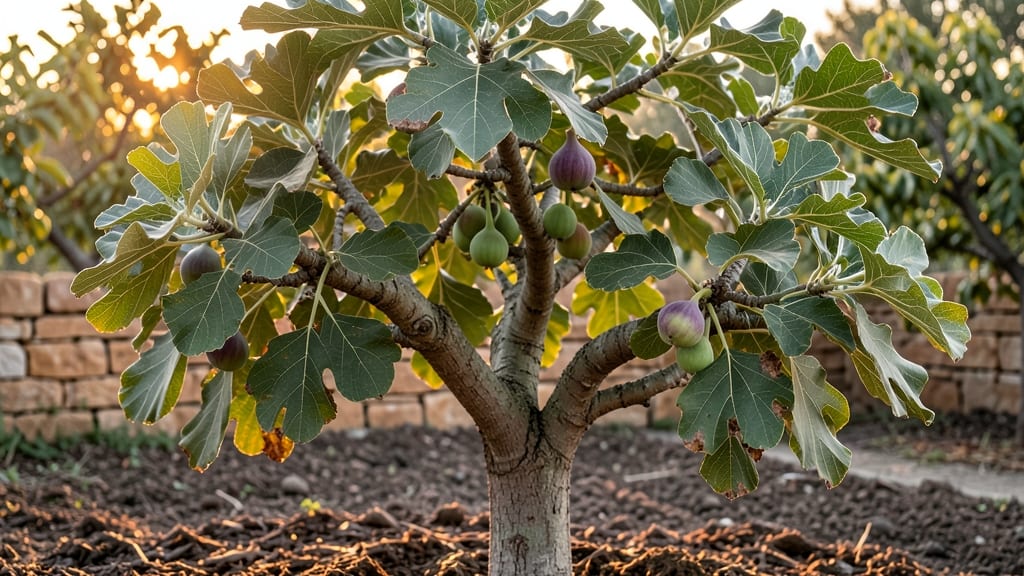
Fig trees take how long before a fig tree produces fruit between 1 and 3 years, but the exact timeline depends on variety, care, and climate — and yes, you can speed up the process with the right techniques.
If you’ve planted a fig tree hoping for sweet, sun-ripened fruit, you’re probably wondering: Why isn’t it bearing fruit yet? The answer depends on the variety, growing conditions, and a little patience—but there are ways to speed up the process.
For example, dwarf varieties like 'Little Miss Figgy' may fruit in as little as 1 year, while standard types like 'Brown Turkey' can take 3 years or more in cooler climates like USDA Zone 6a. The key is giving your tree the right conditions from the start.
In this guide, I’ll break down the timeline by variety, share 5 proven tips to encourage earlier fruiting, and debunk common myths—like whether dwarf trees are faster or if overwatering delays harvests.
Fig tree fruit production timeline: when to expect harvests by variety
Fig trees are patient plants—most won't produce fruit until they've established a strong root system and matured enough to support fruit-bearing energy. On average, it takes 2 to 5 years for a fig tree to bear fruit, but this timeline varies wildly by variety and growing conditions.
Cold-hardy varieties like 'Chicago Hardy' may take longer in Zone 6 climates, while heat-loving 'Brown Turkey' can fruit in as little as 2 years in Zone 8+.
The first year after planting is all about root and leaf growth. Your fig tree will focus on developing its canopy and root system rather than producing fruit.
In temperate climates, winter dormancy can further delay fruiting by 6 to 12 months as the tree recovers from cold stress. Even in warm climates, fig trees prioritize structural growth before shifting energy to fruit production.
Here’s the key difference: Open-pollinated varieties (like 'Celeste') often fruit earlier than self-pollinating types (like 'Desert King'). Open-pollinated figs rely on external pollinators or cross-pollination, which can speed up the process if your garden attracts bees and wasps.
Self-pollinating varieties, however, produce fruit more reliably but may take an extra year to mature.
If you’re growing figs in colder climates (Zones 5–6), expect delays of 1–2 extra years due to winter dormancy. Trees in these zones often need winter protection, such as mulching or wrapping, to survive and recover enough energy for fruiting.
In Zone 7 and warmer, fig trees can produce fruit year-round with minimal stress, especially if planted in well-draining soil and given full sun exposure.
One common misconception is that dwarf varieties fruit faster than standard-sized trees. While 'Little Miss Figgy' or 'Violette de Bordeaux' stay smaller (8–12 feet tall), their fruiting timelines are similar to larger varieties.
The difference lies in harvest accessibility, not speed. Dwarf figs may produce fruit in 2–3 years, but they still prioritize root and canopy growth first.
To encourage earlier fruiting, focus on three critical factors: sunlight, soil fertility, and pruning. Figs need at least 6–8 hours of direct sun daily, and well-draining, slightly alkaline soil (pH 6.0–7.0) to thrive.
Avoid over-fertilizing with nitrogen-heavy feeds, as this promotes leafy growth over fruit. Instead, use a balanced 5-10-10 fertilizer in early spring to support fruit development.
Pruning plays a surprising role in speeding up fruiting. In late winter or early spring, remove dead or crossing branches to improve air circulation and sunlight penetration. This reduces stress on the tree and redirects energy toward fruit production.
Avoid heavy pruning in summer or fall, as this can delay fruiting for another season.
In temperate climates, your fig tree may produce two crops per year: a <
5 Proven ways to speed up fig tree fruit production (without chemicals)
Waiting for your fig tree to produce fruit can feel like an eternity, especially when you’re dreaming of homegrown figs. While standard varieties typically take 2–4 years to bear fruit, there are organic ways to encourage earlier fruiting without synthetic shortcuts.
The key lies in mimicking ideal growing conditions and giving your tree the right signals to focus on fruit production.
Fig trees thrive when they receive the right balance of nutrients, sunlight, and care. Unlike many fruit trees, figs don’t rely on cross-pollination, but they do need specific conditions to trigger fruit development.
By adjusting your pruning, soil, and watering habits, you can push your tree toward faster maturity and earlier harvests—naturally.
🌱 How Long Before a Fig Tree Produces Fruit?
- 1 Year: Dwarf varieties may produce small fruit if planted as mature grafts.
- 2 Years: Standard varieties in warm climates (USDA Zone 8+) may yield a few figs.
- 3 Years: Full production begins for most varieties with proper care.
- 4+ Years: Peak harvests for established trees in cooler climates.
🌿 Pro Tip: Container-grown figs may fruit 1 year earlier due to controlled conditions.
One of the fastest ways to speed up fruiting is through targeted pruning. Fig trees produce fruit on new and old wood, so strategic cuts encourage more fruiting branches.
In late winter or early spring, remove dead or crossing branches while leaving 3–5 strong stems to focus energy on fruit production. Avoid heavy pruning in summer, as this can stress the tree and delay fruiting.
Figs are heavy feeders, especially when it comes to potassium and phosphorus. These nutrients are critical for fruit development. Amend your soil with composted manure or bone meal in early spring to boost phosphorus, which promotes root and fruit growth.
For potassium, use wood ash or a balanced organic fertilizer like 5-10-10. Apply these amendments 6–8 weeks before the expected fruiting season for best results.
Consistent watering habits play a surprising role in fig tree fruiting. While figs are drought-tolerant once established, deep, infrequent watering encourages stronger root systems and better fruit set.
Water your tree at the base in the morning to prevent fungal issues, and aim for 1–2 gallons per week during dry spells. Avoid wetting the leaves, as this can lead to blight or mildew, which weakens the tree.
Figs are self-pollinating, but you can give them a little extra help to ensure fruit development. Gently shake the branches on a warm, sunny day to encourage pollination, or use a small brush to transfer pollen between flowers.
This is especially helpful in container-grown figs or trees in sheltered areas where wind pollination is limited. Pair this with adequate sunlight—figs need 6+ hours of direct sun daily to produce fruit.
Finally, pay attention to seasonal care adjustments. In cooler climates, protect young fig trees from late frosts by wrapping them in burlap or using frost cloth. In summer, mulch around the base to retain moisture and regulate soil temperature.
By aligning your care with the tree’s natural growth cycle, you’ll see faster maturity and more abundant fruit production—without chemicals.