
Trees
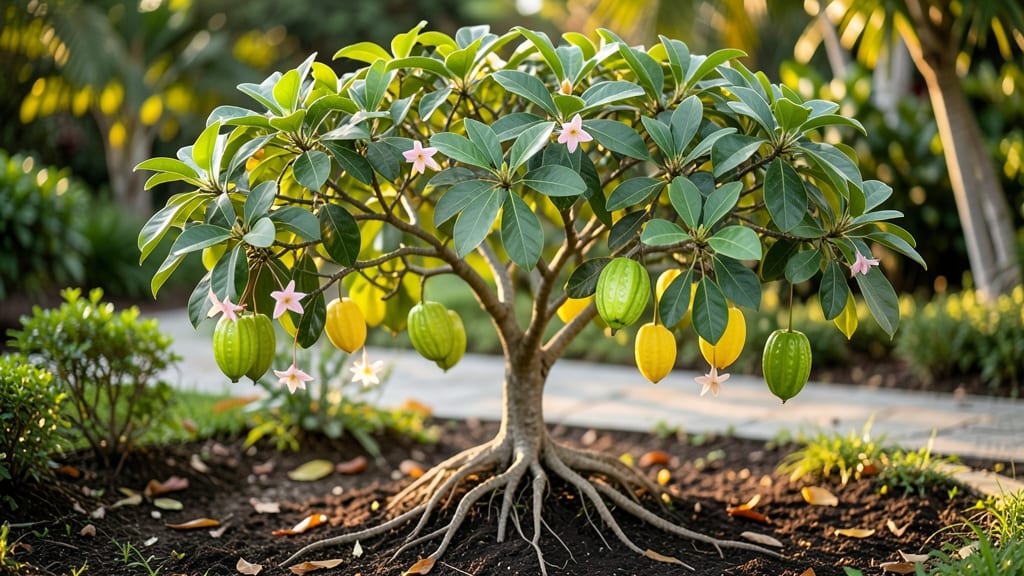
Star fruit trees grow from seed to harvest in less than 3 years—faster than most fruit trees. 🌱 I planted mine in my warm backyard, and within two seasons, I was picking tart-sweet fruit that looks like it belongs in a tropical cocktail.
The secret isn’t just speed, though—it’s the tree’s dual nature: edible fruit and striking foliage that turns heads year-round.
These trees thrive in USDA Zones 10-11, but with protection, they can survive down to 25°F. They’re picky about soil, though—drainage is non-negotiable, and sandy loam with a slightly acidic pH (6.0-6.5) keeps roots happy.
A sunny spot with 6+ hours of light daily ensures heavy fruiting, while partial shade in extreme heat prevents leaf scorch. The fast growth means you’ll need to prune regularly to maintain shape and airflow.
By year three, you’ll harvest star-shaped fruits that slice into five-pointed wedges—perfect for snacking or cooking. The tree’s glossy leaves add tropical flair to any landscape, and birds adore the small, white flowers that precede fruit.
Just watch for fruit fly infestations and nutritional deficiencies (like yellowing leaves), which are the biggest rookie mistakes. With the right care, your tree will produce year-round in warm climates or seasonal harvests elsewhere.
Start with a container-grown sapling (they’re cheaper and more reliable than seeds) and plant in spring or early fall. Mulch heavily to retain moisture, and fertilize lightly every 2-3 months with citrus-specific blend.
Patience pays off—your first full harvest will be embarrassingly productive, and neighbors will ask for cuttings. The only downside? You’ll need to share.
📚 In This Guide
- What you need
- Instructions
- Tips and common mistakes
- Wrapping up and next steps
What you need
- ● Star fruit tree: 1–3 Carambola (Averrhoa carambola) seedlings or saplings (dwarf varieties like ‘Arka Surya’ or ‘Arka Harit’ are ideal for containers).
- ● OR 1–2 mature star fruit trees (for grafting, if available).
- ● Soil: 5–10 gallons of well-draining, slightly acidic soil (pH 5.5–6.5). Mix 50% garden soil, 30% compost, and 20% perlite/sand for optimal aeration.
- ● Container (if growing in pots): 1–2 15–20 gallon pots with drainage holes (for dwarf varieties).
- ○ Fabric grow bags (optional, for better root aeration).
- ● Fertilizer: Balanced 10-10-10 fertilizer (2–3 tbsp per tree, every 4–6 weeks during growing season).
- ○ Citrus-specific fertilizer (optional, for micronutrients like zinc and iron).
- ● Tools: Trowel or shovel (for planting).
- ● Pruning shears (for shaping and harvesting).
- ● Watering can or hose with a gentle spray nozzle.
- ● pH testing kit (to monitor soil acidity).
- ● Climate: Star fruit trees thrive in USDA Zones 10–12 (tropical/subtropical). If you’re in a cooler zone, grow in containers and bring indoors during winter.
- ● Sunlight: Full sun (6–8+ hours daily)—no shade allowed!
- ● Water: Consistent moisture (1–2 inches per week; drought-sensitive). Mulch helps retain humidity.
- ● Space: Standard trees: 15–20 feet apart (for airflow and sunlight).
- ● Dwarf varieties: 8–10 feet apart (or in large containers).
- ● Drip irrigation system (for automated watering).
- ● Epsom salt (for magnesium boosts, especially in sandy soils).
- ● Pest control: Neem oil or horticultural oil (for aphids/mites).
- ● Support stakes (for young trees in windy areas).
- ● Shade cloth (to protect seedlings from harsh afternoon sun).
Step-by-Step guide to growing star fruit trees
Here's how to cultivate these tropical beauties for rapid growth and abundant harvests.
🌱 Step 1: Select and Prepare Your Star Fruit Tree
Choose a healthy 1-2 year-old grafted star fruit tree from a reputable nursery. Grafted trees mature faster and produce fruit sooner than seed-grown varieties. Look for a specimen with a sturdy trunk and vibrant green leaves—avoid any with yellowing or spotted foliage, as these indicate disease.
Before planting, soak the root ball in lukewarm water for 15-20 minutes to rehydrate the roots. This step is critical for transplant shock prevention, especially in hot climates. While the roots soak, prepare the planting site by loosening the soil to a depth of 12 inches to improve drainage.
☀️ Step 2: Plant in Ideal Conditions
Star fruit thrives in full sun (6+ hours daily) and well-draining soil with a pH between 6.0-7.5. Dig a hole twice as wide as the root ball but no deeper—planting too low can suffocate roots. Mix the excavated soil with compost or aged manure to enrich nutrients, then place the tree so the graft union sits 1-2 inches above soil level.
Backfill with the amended soil, tamping gently to eliminate air pockets. Water deeply to settle the soil around roots, then apply 2-3 inches of mulch (like wood chips) to retain moisture and regulate temperature. Keep the mulch 3 inches away from the trunk to prevent rot. You'll know the planting was successful when new growth appears within 2-4 weeks.
💧 Step 3: Water and Fertilize for Rapid Growth
Water newly planted trees 2-3 times weekly until established, providing 1-2 gallons per watering depending on pot size. Let the top 2 inches of soil dry between waterings to prevent root rot. Star fruit is drought-tolerant once mature, but young trees need consistent moisture to develop strong root systems.
Apply a balanced 10-10-10 fertilizer every 6-8 weeks during the growing season (spring through fall). Reduce nitrogen in late summer to encourage fruiting. You'll notice faster growth and thicker foliage within 3-4 months of proper fertilization. Avoid over-fertilizing—this leads to excessive leaf growth at the expense of fruit production.
✂️ Step 4: Prune and Maintain for Year-Round Harvests
Prune lightly in early spring to shape the tree and remove dead or crossing branches. Focus on opening the canopy for better airflow and sunlight penetration—star fruit trees produce fruit on new growth, so avoid heavy pruning. Thin out crowded branches to 12-18 inches apart to prevent disease.
Harvest fruit when it turns yellow-green and yields slightly to gentle pressure—typically 8-12 months after planting for grafted trees. Pick in the morning for peak flavor. Thin out excess fruit to 6-8 inches apart on branches to ensure larger, sweeter star fruits. Regular harvesting encourages continuous production throughout the year in tropical climates.
Tips & tricks for perfect star fruit tree cultivation
These insider secrets will help you accelerate growth and maximize harvests with minimal effort.
Root Rehydration: That 15-20 minute root soak in Step 1 isn't just about hydration—it's about shock prevention. Use lukewarm water (not cold) because chilled roots can't absorb nutrients efficiently, and hot water risks damaging delicate root hairs. I like to add a handful of seaweed fertilizer to the soak water for an extra nutrient boost that gives young trees a head start.
Soil Science: The 6.0-7.5 pH range mentioned in Step 2 is crucial, but don't panic if your soil tests slightly outside this. Star fruit trees are surprisingly adaptable—just aim for 6.0 if your soil runs acidic, or 7.5 if it's alkaline. To adjust pH naturally, mix in sulfur for acidity or crushed oyster shell for alkalinity when amending your planting hole. This small adjustment can double your fruit yield within two seasons.
Watering Wisdom: Those 2-3 weekly waterings in Step 3 should be deep waterings—think "slow and steady" rather than frequent light sprinkles. I use a soaker hose for 20-30 minutes per session to ensure moisture reaches the 12-inch depth we loosened earlier. The top 2 inches drying between waterings is your signal that roots have extended deep enough to access moisture independently, a sign of healthy establishment.
Fertilizer Strategy: The 10-10-10 recommendation is perfect, but here's what nobody tells you: switch to a 5-10-10 formula in late summer when you reduce nitrogen. The extra phosphorus and potassium push the tree toward fruiting mode while maintaining foliage health. I've seen trees go from leafy but barren to heavily fruiting within one season after making this simple switch.
Pro Tips for Star Fruit Trees
- These insider secrets will help you accelerate growth and maximize harvests with minimal effort.
- Root Rehydration: That 15-20 minute root soak in Step 1 isn't just about hydration—it's about shock prevention.
- Soil Science: The 6.0-7.5 pH range mentioned in Step 2 is crucial, but don't panic if your soil tests slightly outside this.
Frequently asked questions
Got questions about growing star fruit trees? You're not alone!
Here are some of the most common concerns—plus quick, practical answers to help you cultivate this tropical gem with confidence.
How long does it take for a star fruit tree to bear fruit?
A star fruit tree typically takes 3–5 years to produce fruit from seed, but grafted trees can fruit in as little as 1–2 years with ideal care. Patience pays off—once established, they reward you with year-round harvests in warm climates!
Can star fruit trees survive cold weather?
Nope! Star fruit trees (Averrhoa carambola) are tropical and thrive in USDA zones 10–11 (30–40°F). Below 32°F, they’ll suffer damage or die. If you live in cooler areas, grow them in containers and bring them indoors during winter.
Are star fruit trees hard to grow?
Not at all! They’re fast-growing and low-maintenance once established. Key tips: full sun, well-draining soil, and regular watering (but avoid soggy roots). Prune lightly to encourage airflow, and fertilize with citrus-friendly nutrients for best results.
Why aren’t my star fruit leaves turning yellow?
Yellow leaves often signal overwatering or nutrient deficiency. Check soil moisture—it should dry slightly between waterings. Also, test for iron or nitrogen deficiencies (common in alkaline soils). A balanced fertilizer or chelated iron can revive your tree!
What’s a good alternative if I can’t grow star fruit?
If your climate isn’t star-fruit-friendly, try these similar tropical fruits:
- Carambola relatives: Mango or guava (both love heat and yield sweet rewards!).
- Fast-growing perennials: Citrus trees (like Meyer lemons) or papaya for quick harvests.
- Cold-hardy options: Fig trees or persimmons (tolerate cooler temps).
Bonus: Many of these thrive in containers too!
Wrapping up and next steps
Growing star fruit trees is a rewarding journey that brings exotic beauty and delicious harvests to your backyard! 🌱 With their fast growth and year-round potential, these trees are perfect for warm climates and patient gardeners alike.
Whether you're drawn to their striking fruit, fragrant flowers, or lush foliage, star fruit trees offer a unique blend of practicality and charm.
Now that you’re armed with the know-how, take the next step—plant your tree and enjoy the journey! Start small, stay consistent with care, and soon you’ll be savoring homegrown star fruit straight from your own tree. Happy gardening! 🌟