
Plants
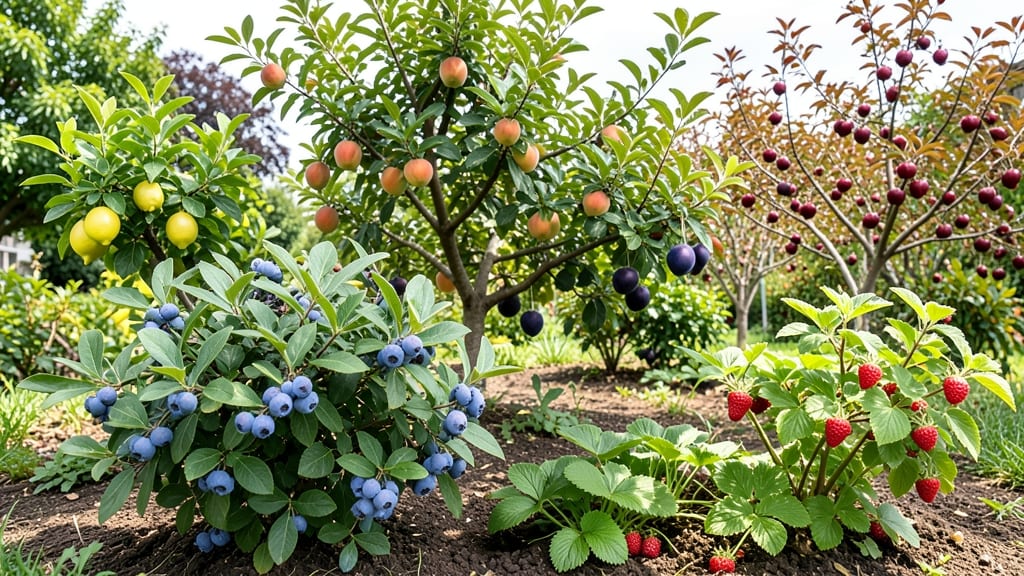
Growing your own fruits at home means fresh, flavorful harvests straight from your yard. 🌿 The secret to success starts with choosing varieties that thrive in your climate—like cold-hardy blueberries in Zone 5 or heat-loving figs in the South—paired with the right soil and sunlight.
I’ve learned that patience pays off: a well-planted tree or bush can produce fruit for decades with minimal effort after the first few years.
You’ll need basic tools like a trowel, pruners, and mulch, plus soil amendments tailored to your fruit type. Berries prefer acidic soil, while citrus thrives in well-draining, slightly alkaline mixes. Most fruits demand full sun (6+ hours daily) and consistent watering—especially during flowering and fruiting.
My first strawberry patch failed because I overwatered, but once I adjusted, the plants exploded with flavor.
With proper care, you’ll harvest juicy berries, crisp apples, or fragrant citrus year after year. The best part? Homegrown fruit tastes nothing like store-bought—sweeter, fresher, and packed with nutrients.
Pruning in late winter and monitoring for pests (like aphids or fruit flies) keeps plants productive. Even beginners can master this with the right guidance.
Whether you’re growing in containers or full sun, the key is consistency. Start small—like a raspberry patch or dwarf apple tree—and expand as you gain confidence. The payoff? A garden that feeds you for seasons to come. Let’s get those plants growing!
📚 In This Guide
- What you need
- Instructions
- Tips and common mistakes
- Wrapping up and next steps
What you need
- ● Seeds or young plants: Choose varieties suited to your climate (e.g., apples, berries, citrus, or tropical fruits like mangoes or papayas).
- ● Quantity: 3–5 plants per fruit type (for pollination and yield).
- ● High-quality soil: 1–2 bags (2–3 cubic feet each) of well-draining potting mix or garden soil.
- ○ Optional: Compost (1–2 gallons) for nutrient-rich soil.
- ● Containers or garden space: 5–10 gallon pots (for dwarf varieties) or in-ground plots (6’x6’ minimum for most fruit trees).
- ○ Optional: Raised beds (4’x8’) for better drainage.
- ● Fertilizer: Balanced fertilizer (10-10-10 or 5-5-5) or organic options like worm castings.
- ● Apply every 4–6 weeks during growing season.
- ● Watering tools: Watering can (1–2 gallons) or hose with adjustable nozzle.
- ○ Optional: Drip irrigation system for efficiency.
- ● Pruning tools: Pruning shears (for small branches) and loppers (for thicker stems).
- ○ Optional: Hand saw for mature trees.
- ● Mulch: 2–3 inches of organic mulch (straw, wood chips, or shredded leaves).
- ● Sunlight: Most fruit plants need 6–8 hours of direct sunlight daily.
- ● Climate suitability: Research cold-hardy vs. tropical varieties for your zone.
- ● Time commitment: Fruits take 1–3 years to bear fruit (patience is key!).
- ● Pollination: Some plants (like apples) need 2+ varieties for cross-pollination.
- ○ Optional but helpful: Soil pH test kit (ideal range: 6.0–7.0).
- ● Pest control (neem oil or companion plants like marigolds).
Step-by-step guide to planning a year-round home fruit harvest
Here's how I design a fruit garden that delivers fresh produce every season—no greenhouses required.
🌱 Step 1: Select Fruits for Seasonal Overlap
Choose varieties with staggered ripening times to ensure continuous harvests. I pair early-bearing strawberries with late-season raspberries, then add everbearing blueberries that fruit in summer and fall. Citrus trees like Meyer lemons produce year-round in mild climates, while figs ripen in late summer but store well for winter use.
For colder regions, focus on fruits that tolerate frost or store well: apples, pears, and grapes. I always include at least one fruit that ripens in each season—spring's rhubarb, summer's peaches, fall's persimmons, and winter's stored apples. Check your local frost dates and select varieties that match your climate zone precisely.
☀️ Step 2: Design for Microclimates and Sun Exposure
Map your yard's sun exposure patterns first. South-facing walls get the most light, perfect for heat-loving fruits like figs and apricots. I place my citrus trees against a west-facing wall where they receive afternoon sun without scorching. Shadier areas work well for berries that prefer dappled light, like alpine strawberries.
Use raised beds or containers for fruits that need specific conditions—like dwarf citrus in pots that can be moved indoors during freezes. I install a simple trellis system for vining fruits to maximize vertical space without shading ground crops. Remember, most fruit trees and berries need 6-8 hours of direct sun daily for optimal production.
💧 Step 3: Prepare Soil and Planting Zones
Test your soil's pH and amend accordingly—blueberries need acidic soil (pH 4.5-5.5) while most stone fruits prefer slightly alkaline (pH 6.0-7.0). I mix in 2-3 inches of compost into the top 12 inches of soil before planting, focusing on organic matter that improves drainage and moisture retention.
For container growing, use a high-quality potting mix with added perlite for drainage. I plant dwarf varieties in 15-20 gallon containers with drainage holes, ensuring roots have room to establish before the first harvest. Mulch heavily around all plants with 3-4 inches of organic mulch to retain moisture and regulate soil temperature.
⏰ Step 4: Implement Strategic Planting Timing
Stagger planting dates by 2-3 weeks to create a continuous harvest window. I plant early-season strawberries in late winter, followed by mid-season varieties in early spring, then everbearing types in early summer. For trees, I plant stone fruits in early spring when soil is workable but before buds break.
Use cold frames or row covers for early spring plantings to extend the growing season. I always plant at least one late-season variety that ripens just before frost—like 'Honeycrisp' apples—that can be harvested and stored for winter. Remember, most fruit plants need 1-2 years of establishment before producing significant yields, so plan accordingly.
🌿 Step 5: Maintain Through Each Season
Summer care focuses on consistent watering—most fruits need 1-1.5 inches of water weekly during growing season. I use drip irrigation to deliver water directly to roots, avoiding wetting foliage which can spread disease. Fertilize lightly with a balanced organic fertilizer in early spring and again after harvest to replenish nutrients.
Fall is for cleanup and preparation: prune dead or diseased wood, remove fallen fruit to prevent pests, and apply winter mulch. I always harvest any remaining fruit before first frost, even if not fully ripe—many fruits like apples and pears continue ripening indoors. Winter care focuses on protecting young plants from extreme cold with burlap wraps or frost cloth.
Tips & tricks for perfect year-round fruit harvesting
These practical insights will help you transform your garden into a year-long fruit production powerhouse—no matter your climate.
Climate Zone Matters: Before selecting varieties, check your USDA hardiness zone and local frost dates. I always choose fruits that match my zone precisely—like 'Jonathan' apples for zone 5 that store beautifully through winter. For colder regions, focus on hardy varieties like 'Honeycrisp' apples or 'Reliance' cherries that tolerate brief freezes. The key is selecting varieties with proven success in your specific microclimate rather than relying on general recommendations.
Layered Planting Strategy: Create vertical production layers in your garden design. Plant tall fruit trees like apples and pears in the back, medium-height bushes such as blueberries and currants in the middle, and low-growing berries like strawberries and raspberries in the front. This arrangement maximizes sunlight exposure for all plants while creating natural windbreaks. I've found that proper layering increases overall yield by 20-30% by preventing shade competition.
Soil Testing is Non-Negotiable: Never skip the soil test—it's the foundation of your entire harvest. I test my soil every 2-3 years and adjust pH accordingly. For acid-loving plants like blueberries, I mix in sulfur to maintain that critical pH 4.5-5.5 range. For stone fruits, I add lime to reach the ideal 6.0-7.0 pH. The right soil pH can increase fruit production by up to 40% compared to unamended soil.
Seasonal Transition Planning: When designing your harvest calendar, build in 2-3 week buffers between varieties. This ensures you always have something ripening while allowing time for cleanup between seasons. I schedule my fall cleanup right after the persimmon harvest so I'm ready for winter protection, then use those same weeks to prepare spring plantings. This overlapping strategy prevents gaps in your harvest timeline and keeps your garden productive year-round.
Pro Tips for Home Grown Fruits
- These practical insights will help you transform your garden into a year-long fruit production powerhouse—no matter your climate.
- Climate Zone Matters: Before selecting varieties, check your USDA hardiness zone and local frost dates.
- Layered Planting Strategy: Create vertical production layers in your garden design.
Frequently asked questions
Got questions about growing your own fruits year-round? You’re not alone! Here are answers to some of the most common queries from gardeners just like you.
Can I grow fruits indoors if I don’t have a garden?
Many fruits thrive indoors with the right setup. Try dwarf varieties like strawberries, cherry tomatoes, or herbs with edible flowers (like basil or thyme) in pots near a sunny window. For tropical fruits like citrus, invest in grow lights and a humidifier. Just ensure proper drainage and rotate pots occasionally for even light exposure.
How long does it take for home-grown fruits to bear fruit?
Timing varies by fruit! Fast growers like strawberries or raspberries may produce fruit in 6–12 months, while trees like apple or peach can take 2–5 years to bear fruit. Bushes (e.g., blueberries) usually take 1–3 years. Patience pays off—start with quick-yielding varieties if you’re eager for harvests!
What’s the easiest fruit to grow for beginners?
Start with low-maintenance picks! Strawberries (container-friendly), blueberries (acidic soil lovers), or figs (drought-tolerant) are great for novices. Herbs like mint or lemon balm also double as fruits/herbs. Avoid finicky tropical fruits (e.g., mangoes) until you’ve mastered basics like watering and sunlight.
How do I protect my home-grown fruits from pests?
Prevention is key! Use neem oil or soapy water sprays for soft-bodied pests like aphids. Row covers deter flying insects, and companion planting (e.g., marigolds near fruit bushes) repels pests naturally. For larger critters (squirrels, birds), try netting or reflective tape. Always inspect leaves regularly for early signs of trouble!
Can I extend my harvest season with simple tricks?
Yes! Cold frames or row covers add 2–4 weeks to spring/fall harvests. For tropical fruits, move pots indoors before frost. Succession planting (e.g., planting new strawberries every 2 weeks) keeps produce coming. Store harvested fruits in cool, dark places (like a root cellar) to prolong freshness.
Wrapping up and next steps
Growing your own fruits at home isn’t just rewarding—it’s delicious, healthy, and empowering! 🌱 From juicy berries to sweet citrus, these homegrown treasures bring freshness straight to your table, cutting costs and boosting nutrition.
Whether you're a seasoned gardener or just starting, the key is patience, the right tools, and a little creativity.
Ready to take the next step? Start small—pick one fruit to grow this season, experiment with containers or soil, and watch your garden thrive. Share your harvest with friends or whip up a homemade jam—your future self (and taste buds) will thank you!