
Pruning
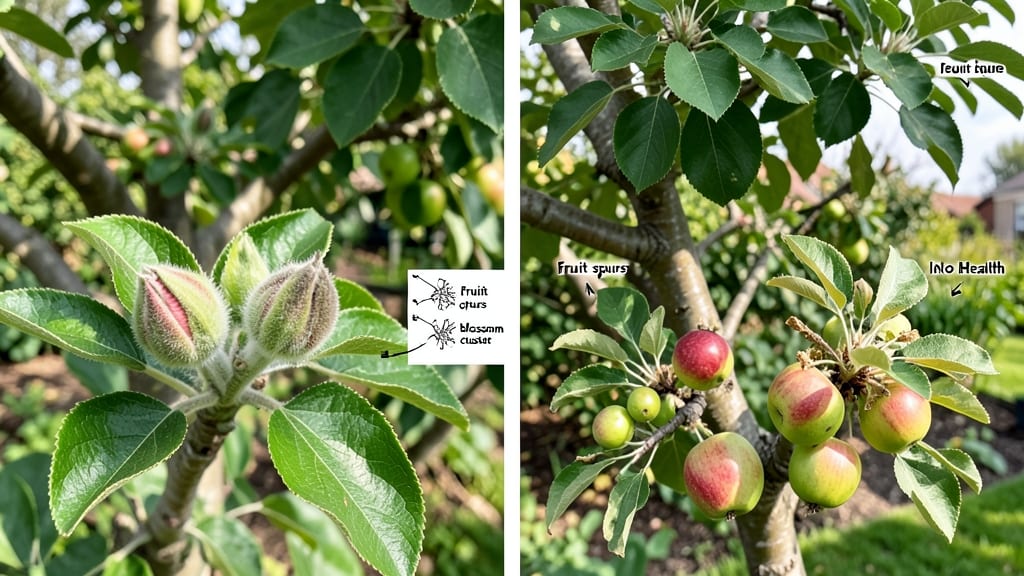
Telling if your apple tree will fruit this year comes down to reading the signs before the blossoms even appear.
Ever stood in your yard staring at a bare-branched apple tree in February, wondering if it’ll ever produce fruit? You’re not alone. The key is spotting the right clues early—like flower buds, tree age, and even sunlight patterns—so you can set your expectations (and your harvest plans) straight.
Young trees, grafted varieties, and proper pruning all play a role, but the real game-changer is knowing what to look for in spring. Below, I’ll walk you through five clear signs your tree is on track for a fruitful season, plus what to do if it’s not cooperating.
By the end, you’ll confidently predict whether your 🍎 will be heavy with apples—or just more leaves—this fall.
5 Key signs your apple tree will fruit this year
If you’ve ever waited eagerly for your apple tree to produce fruit, only to be met with silence from the branches, you’re not alone. The good news?
Your tree is sending signals—you just need to know what to look for. Fruit production in apple trees depends on a mix of biological cues, environmental factors, and proper care. By early spring, your tree will reveal its fruiting potential through subtle (and not-so-subtle) signs.
Here’s how to read them like a pro.
First, let’s address the biggest mystery: why some apple trees bloom but don’t fruit. Even if you see flowers, factors like tree age, pollination success, and nutrient availability play critical roles. A tree might burst into blossoms one year but produce little to no fruit the next.
Understanding these five key signs will help you predict—and even influence—your tree’s fruiting success before a single apple appears.
-
1. Blossom Buds Forming
Look for swollen buds along branches in late winter. Healthy buds are plump, firm, and reddish-brown. -
2. Tree Age Matters
Standard trees fruit at 3-5 years; dwarf varieties may start in 1-2 years. Younger trees need patience! -
3. Pruning Patterns
Open-centered canopies (from correct pruning) allow sunlight to reach inner branches, boosting fruit production. -
4. Leaf Health
Dark green, vigorous leaves indicate good health. Yellowing or sparse foliage signals stress or nutrient deficiency. -
5. Seasonal Cues
Timely spring warmth (after last frost) triggers blooming. Cold snaps can delay or reduce fruit set.
Let’s start with the most obvious (and exciting) sign: blossom buds. In late winter, inspect your tree’s branches for swollen buds that look like tiny roses. These buds are your tree’s promise of fruit.
If they’re plump and firm, your tree is gearing up for a productive season. Reddish-brown buds are especially promising—they’re packed with flower clusters waiting to burst into bloom. Pro tip: Use a magnifying glass to check for tiny flower centers inside the buds.
If you spot them, your tree is on track!
But here’s the catch: not all buds mean fruit. Some varieties, like ‘Granny Smith’, need cross-pollination from another apple tree to set fruit. If you only have one tree, consider planting a second variety nearby.
Even self-pollinating types (like ‘Honeycrisp’) produce more apples with a pollination partner. Watch for bees buzzing around blossoms—that’s a great sign!
Age is another critical factor. A 3-year-old dwarf apple tree might fruit lightly, while a 5-year-old standard tree could produce a full harvest.
Young trees focus energy on growth, so don’t be discouraged if your first few years yield little fruit. Patience is key—and proper care (like balanced fertilization and consistent watering
For example, a ‘Fuji’ apple tree planted last spring might not fruit until next year, but with the right conditions, it could reward you with hundreds of apples by year three. Pruning plays a surprising role in fruit production. Trees that are over-pruned (especially in late winter) may produce fewer blossoms. Instead, aim for an open-centered canopy—this allows sunlight to penetrate the inner branches, where fruit often forms. If your tree looks like a dense umbrella, it’s time to thin out some branches. Focus on removing water sprouts (fast-growing vertical shoots) and crossing branches that rub together. A well-pruned tree will show strong scaffold branches with plenty of space for fruit to develop. Don’t overlook the leaves—they’re a barometer of your tree’s health. Healthy apple tree leaves are dark green, glossy, and free of spots. If you notice yellowing leaves (chlorosis) or curling edges, your tree might be nutrient-deficient or stressed. Nitrogen deficiency often causes pale leaves, while magnesium deficiency leads to yellow patches between leaf veins. Address these issues early with organic compost or a balanced fertilizer (like 10-10-10) applied in early spring. Finally, keep an eye on the weather. Apple trees need chilling hours (a period of cold temperatures) to break dormancy and trigger blooming. Most varieties require 200-1,000 hours below 45°F during winter. If your region experiences unusually warm winters, your tree might bloom early—only to be damaged by a late frost. Mulch your tree with wood chips to protect roots and regulate soil temperature. Also, avoid overhead watering during bloom, as wet flowers can attract fungal diseases like apple scab. Putting it all together, here’s your action plan: Inspect buds in late winter, prune for an open canopy, fertilize in early spring, and watch for bees during bloom. If your tree checks all five boxes, you’re in for a fruitful harvest—just don’t forget to thin the apples when they’re the size of golf balls to ensure larger, sweeter fruit. With these signs in mind, you’ll never be left wondering if your apple tree will fruit again!
How tree age, variety, and location affect fruit production
Your apple tree’s ability to produce fruit hinges on three critical factors: tree age, variety type, and planting location. A 3-year-old grafted tree may bloom earlier than a seed-grown variety, while a spot with less than 6 hours of sun can delay—or even prevent—fruit development entirely.
Understanding these variables helps you set realistic expectations and troubleshoot barren seasons.
Young trees often take 2-4 years to bear fruit, but grafted varieties (like Honeycrisp or Fuji) can produce earlier than seed-grown trees. Meanwhile, dwarf varieties mature faster than standard trees, making them ideal for small gardens.
Location matters just as much—partial shade or poor drainage can stress the tree, reducing blossoms and fruit set.
| Factor | Impact on Fruiting | Example |
|---|---|---|
| Tree Age | Young trees (1-3 years) may not fruit; 4+ years = higher yield. | Gala grafted at 2 years: blooms at 3 years. |
| Variety Type | Grafted varieties fruit faster than seed-grown; dwarf trees mature in 3-5 years. | Dwarf Red Delicious: fruits in 2-3 years. |
| Sunlight | 6+ hours/day = optimal blooming; less than 4 hours = poor fruit set. | Jonagold in full sun: heavy blooms yearly. |
| Soil Drainage | Poor drainage causes root stress; well-draining soil = better fruit. | Granny Smith in clay soil: sparse blooms. |
| Pollination | Self-pollinating varieties (e.g., Honeycrisp) need no partner; others require cross-pollination. | McIntosh + Golden Delicious = better fruit set. |
If your tree is younger than 4 years, patience is key—most varieties need time to establish roots and energy reserves before flowering. For example, a dwarf Granny Smith might fruit in 2-3 years, while a standard-sized Jonathan could take 5+ years.
Meanwhile, grafted trees (like those from nurseries) often outperform seed-grown trees because their rootstock is bred for vigor and disease resistance.
Location plays a starring role, too. Apple trees thrive in full sun (6+ hours/day), but even slight shade can reduce blossoms.
For instance, a Fuji apple tree planted in a west-facing spot with afternoon sun will fruit more reliably than one tucked under a neighbor’s oak. Wind exposure also matters—too much can damage blossoms, while sheltered locations protect flowers from late frosts.
To boost fruiting potential, choose a pollination-compatible variety if your tree isn’t self-fertile. For example, planting a McIntosh near a Golden Delicious ensures better fruit set. Additionally, prune in late winter to open the canopy for sunlight and air circulation, which encourages more blossoms.
With the right combination of age, variety, and location, your apple tree will reward you with a harvest in no time.
🌳