
Fertilization
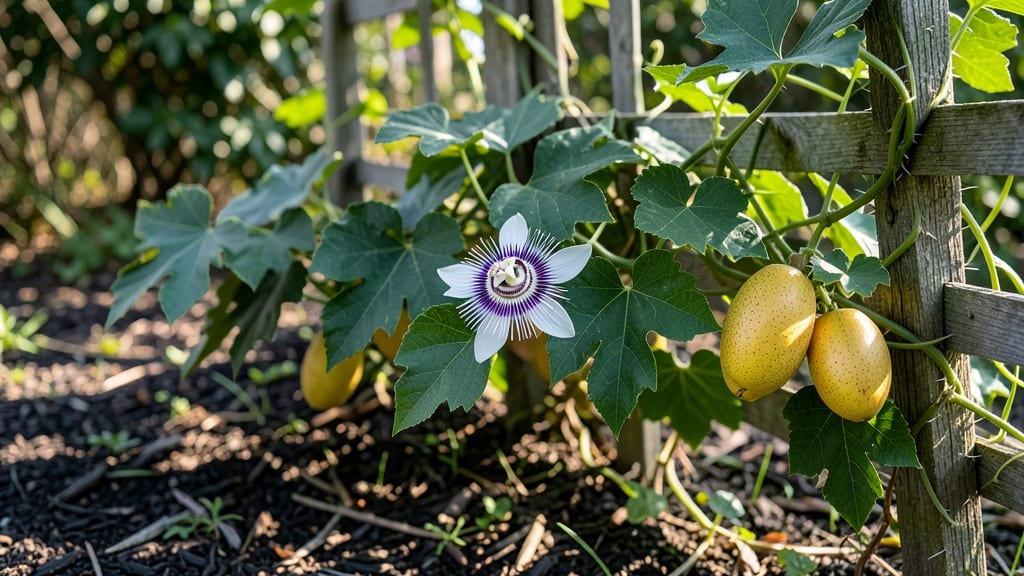
Golden passion fruit vines reward you with juicy, tangy-sweet fruit that tastes nothing like store-bought—if you give them the right conditions. 🌿 I’ve grown these sun-loving vines for three years, and the difference between a thriving harvest and a sad few fruits comes down to sunlight, soil, and a little patience.
The first year, I nearly gave up when my vines produced only a handful of fruit, but tweaking my approach turned things around completely.
These tropical beauties crave full sun (at least 6-8 hours daily) and well-draining soil rich in organic matter—think compost mixed into the top 12 inches of soil.
They’re frost-sensitive, so if you live in cooler climates (zones 8-11), grow them in containers and bring them indoors when temperatures dip below 32°F. Water consistently but avoid soggy roots, as passion fruit vines hate wet feet.
By summer’s end, you’ll be harvesting golden, oval-shaped fruits packed with seeds and pulp that’s perfect for juicing or eating fresh. The vines grow aggressively—up to 20 feet in a single season—so plan for a trellis or sturdy fence to guide their growth.
Prune regularly to encourage airflow and more fruit production, and watch for common pests like spider mites or mealybugs.
With the right care, your golden passion fruit vines will produce year-round harvests in warm climates or a long summer bounty in cooler areas. The first taste of homegrown passion fruit is a game-changer—sweet, floral, and nothing like the bland versions you’ll find in stores. Ready to grow your own?
📚 In This Guide
- What you need
- Instructions
- Tips and common mistakes
- Wrapping up and next steps
What you need
- ● Golden passion fruit seeds or young plants: 1–3 (ensure they’re disease-free and from a reputable source).
- ● Well-draining potting mix: 5–10 gallons (or a blend of 60% coconut coir, 30% perlite, and 10% compost).
- ● Large containers or raised beds: 15–20 gallons per plant (minimum 18" deep). Pro tip: Drill drainage holes if using pots!
- ● Balanced fertilizer (10-10-10 or 5-5-5): 1 lb for initial planting; organic options like composted manure or fish emulsion work too.
- ○ Slow-release fertilizer (optional but recommended): 1 cup per plant (e.g., osmocote or organic granules).
- ● Epsom salt (magnesium sulfate): 1 tbsp per gallon of water for foliar sprays (boosts fruit quality!).
- ● Mulch (straw or wood chips): 2–3 inches to retain moisture and regulate soil temp.
- ● Trowel or hand shovel: For planting and soil prep.
- ● Garden gloves: Protect your hands from thorns and soil.
- ● Watering can or hose with a gentle spray nozzle: Passion fruit vines love consistent moisture!
- ● Pruning shears: Keep vines trimmed and productive.
- ● Trellis or sturdy stakes (4–6 ft tall): Supports vines as they grow (3–4 plants per trellis works well).
- ● pH test kit: Aim for soil pH 6.0–7.0 (adjust with lime or sulfur if needed).
- ○ Pest control (optional):
- ● Neem oil spray (for aphids or mites).
- ● Yellow sticky traps (to catch fruit flies).
- ● Full sun (6–8+ hours daily): Golden passion fruit thrives in warm, tropical climates (USDA zones 9–11).
- ● Frost protection: If in cooler zones, grow in containers and bring indoors during winter or use row covers.
- ● Humidity: 50%+ (mist leaves occasionally if air is dry).
Step-by-step instructions for growing golden passion fruit vines
Here's the method I use to grow sweet, fragrant golden passion fruit—no fancy equipment needed.
🌱 Step 1: Choose the Right Location and Prepare the Soil
Golden passion fruit thrives in full sun—at least 6-8 hours daily—so pick a spot with southern exposure. These vines need sturdy support, so install a 6-8 foot trellis or fence where they'll climb. I always plant mine near a sturdy wall or pergola to anchor the heavy vines.
Amend the soil with 2-3 inches of compost mixed into the top 12 inches of soil. Golden passion fruit prefers well-draining, slightly acidic soil (pH 6.0-7.0). If your soil is heavy clay, raise the vine in a large container (at least 15-gallon) filled with a mix of potting soil and perlite. Test your soil's drainage by digging a hole, filling it with water, and checking if it drains within 30 minutes. Slow drainage will rot roots.
🌿 Step 2: Plant Your Vine and Water Deeply
Plant your golden passion fruit vine in early spring after the last frost, when soil temperatures reach at least 65°F. Dig a hole twice as wide as the root ball but no deeper. Place the vine so the top of the root ball sits 1 inch below soil level—this prevents stem rot while encouraging strong root growth.
Water deeply right after planting, soaking the soil until water runs out the drainage holes (if potted) or 6 inches deep in the ground. Mulch around the base with 2-3 inches of organic mulch (like wood chips) to retain moisture and suppress weeds. Avoid piling mulch against the stem—keep it 2 inches away to prevent rot. Water every 2-3 days until new growth appears, then taper to once weekly once established.
☀️ Step 3: Train the Vines and Support Growth
Golden passion fruit vines grow aggressively, so train them early. Once new shoots reach 6 inches tall, gently tie them to the trellis with soft plant ties (never wire—it cuts into the stems). Prune side shoots to encourage one main stem until it reaches the top of the support. This creates a strong central vine that produces more fruit.
Fertilize every 4-6 weeks during growing season with a balanced 10-10-10 fertilizer or one high in phosphorus (like 5-10-10) to boost flowering. Stop fertilizing in late summer to let the plant focus on fruiting, not foliage. Watch for yellowing leaves—this often signals overwatering or nutrient deficiency. Adjust watering or fertilize lightly with a fish emulsion to correct it.
⏰ Step 4: Prune for Maximum Fruit Production
Prune late winter or early spring before new growth starts. Remove dead, diseased, or crossing branches first, then cut back one-third of the oldest wood to encourage new, productive growth. This also improves airflow, reducing fungal diseases like powdery mildew. I always sterilize my pruners with rubbing alcohol between cuts to prevent spreading disease.
After flowering, thin fruit clusters to 3-4 fruits per stem—this ensures larger, juicier passion fruits. Overcrowded fruit competes for resources, resulting in small, seedy harvests. Harvest when the fruit is fully colored and slightly soft to touch (usually 90-120 days after flowering). Twist gently to avoid damaging the vine. Ripe golden passion fruit will yield slightly when pressed—this is your cue to enjoy the harvest.
💧 Step 5: Overwinter and Protect Your Vine
Golden passion fruit is semi-tender and won’t survive frost. In colder climates, dig up potted vines or mound 12 inches of mulch around the base. If left in the ground, wrap the trellis in burlap and cover with a frost blanket when temperatures drop below 30°F. Prune back half the foliage in late fall to reduce stress on the plant.
Reduce watering in winter months to once every 2-3 weeks, only enough to keep the soil lightly moist. Resume normal care in early spring as new growth appears. With proper overwintering, your vine will rebound quickly and produce abundant fruit the following season. The key is consistency—these vines reward patience with sweet, aromatic fruit that’s well worth the effort.
Tips & tricks for growing golden passion fruit vines
Between us, these sun-loving vines reward patience with sweet, fragrant fruit—but only if you nail a few key details.
Sunlight Secret: Those 6-8 hours of daily sun are non-negotiable. I've seen vines struggle in partial shade, producing smaller, less flavorful fruit. If your yard gets afternoon shade, consider a south-facing wall or container placement where the vine can follow the sun's arc. Morning sun alone won't cut it—golden passion fruit needs that intense midday heat to ripen properly.
Soil Test Hack: The pH 6.0-7.0 range is crucial, but testing kits can be pricey. Here's my shortcut: Grow blueberries or azaleas nearby as indicator plants—they thrive in similar acidic conditions. If they're happy, your soil's likely in the right range. For containers, mix 1 part peat moss with your potting soil to naturally lower pH without chemicals.
Watering Wisdom: The 6-inch deep watering after planting isn't just about moisture—it's about settling the soil around roots. I tap the ground gently after watering to check: If it feels firm down to 6 inches, you're good. Overwatering is the #1 killer, so always check soil moisture by sticking your finger 2 inches deep before watering. If it's damp, wait another day.
Pruning Payoff: That one-third oldest wood prune in Step 4 might seem drastic, but it's what transforms a scraggly vine into a fruit powerhouse. I mark the cuts with a white pencil before snipping to visualize the new shape. And here's what nobody tells you—save those pruned branches! Dry them and use as natural trellis supports for next year's growth.
Pro Tips for Golden Passion Fruit
- Between us, these sun-loving vines reward patience with sweet, fragrant fruit—but only if you nail a few key details.
- Sunlight Secret: Those 6-8 hours of daily sun are non-negotiable.
- Soil Test Hack: The pH 6.0-7.0 range is crucial, but testing kits can be pricey.
Frequently asked questions
Got questions about growing golden passion fruit? You’re not alone! Here are answers to the most common queries to help you cultivate a thriving vine and enjoy that sweet, tangy harvest.
How long does it take for golden passion fruit to bear fruit?
Golden passion fruit vines typically take 12–18 months to produce fruit from seed, but grafted plants can bear fruit in as little as 6–12 months with proper care. Patience is key—focus on training vines, fertilizing, and providing support during the first year for faster results.
Can I grow golden passion fruit in containers, or do I need a garden?
Golden passion fruit thrives in large containers (15+ gallons) with drainage holes, especially in colder climates. Use a well-draining potting mix and place the pot in full sun. Just ensure the container is sturdy—these vines can grow 20+ feet if left unchecked!
How often should I water golden passion fruit plants?
Water deeply 2–3 times per week during dry spells, keeping soil consistently moist but not soggy. Young plants need more frequent watering (every 2–3 days), while established vines tolerate slight drought. Mulch around the base to retain moisture and prevent weeds.
What pests or diseases should I watch out for?
Common issues include aphids, spider mites, and passion vine hoppers. Treat with neem oil or insecticidal soap. Fungal diseases like powdery mildew can occur in humid climates—improve airflow and avoid overhead watering. Prune affected leaves promptly to keep your vine healthy!
Can I grow golden passion fruit from store-bought fruit?
Yes! Save seeds from organic, pesticide-free golden passion fruit, rinse and dry them, then plant in moist soil. Germination takes 2–4 weeks in warm conditions (70–85°F). For faster results, opt for grafted plants from nurseries, as they’re more reliable and disease-resistant.
Wrapping up and next steps
Golden passion fruit isn’t just a tropical treasure—it’s a rewarding year-round harvest waiting for you! With the right soil, sunlight, and care, these sun-loving vines can thrive, delivering sweet, golden rewards that outshine the ordinary.
Whether you’re a backyard gardener or a small-scale farmer, your dedication to fertilization and maintenance will pay off in juicy, flavorful fruit.
Ready to take the next step? Start small—plant a vine or two, experiment with fertilization techniques, and watch your passion fruit adventure unfold. Your golden harvest is just a season away! 🌱✨