
Size
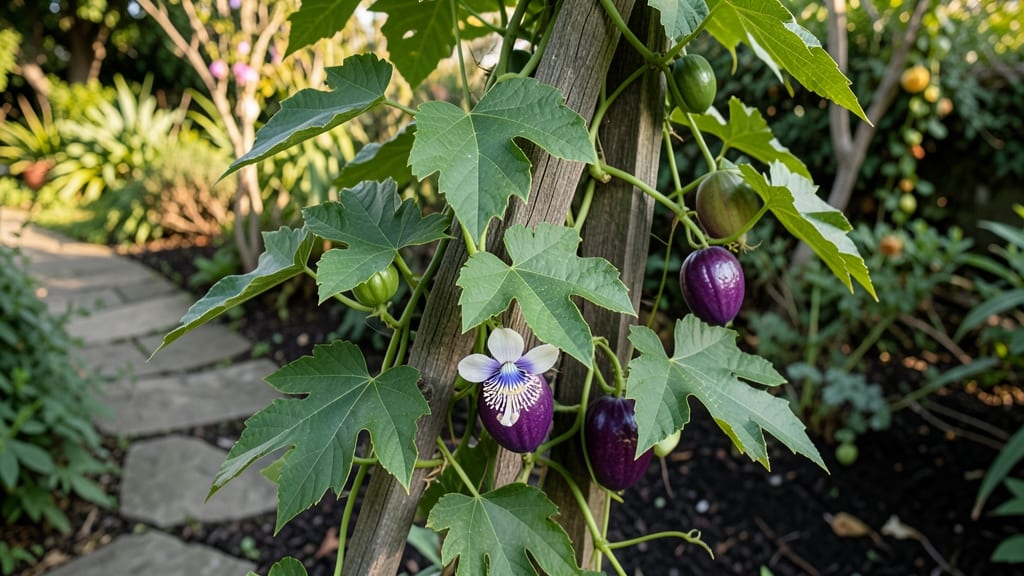
Growing your own passion fruit vine means tropical harvests on your porch—sweet, tangy fruit that tastes nothing like store-bought. 🌿 I've grown these vines for years, and the first time I tasted a homegrown passion fruit, I knew I'd never buy them again.
The key is mimicking their natural tropical habitat, even if you're not in Florida or Hawaii.
You'll need a sturdy trellis or fence (these vines can climb 20-30 feet), well-draining soil, and patience—passion fruit takes 6-12 months to bear fruit after planting.
Start with seeds or young plants in spring, give them full sun daily, and water deeply but let the soil dry slightly between waterings. The secret weapon? A balanced fertilizer every 4-6 weeks once established.
By summer, you'll see those iconic purple or yellow flowers (they smell like grape soda!) and, with luck, fruit forming within 3-4 months. The vines are hardy once established, but watch for pests like aphids and fungal issues in humid climates.
A simple spray of neem oil keeps them at bay.
Perfect for warm climates (zones 8-11) but can be grown in containers and overwintered indoors in cooler areas. The fruit is worth the wait—imagine slicing one open for fresh juice or smoothies, straight from your own vine. Let's get those seeds planted!
📚 In This Guide
- What you need
- Instructions
- Tips and common mistakes
- Wrapping up and next steps
What you need
- ● Passion fruit seeds or young plants: 1–2 seeds (if starting from scratch) or
- ● 1–2 healthy nursery-grown vines (recommended for faster results)
- ● Well-draining potting mix or garden soil: 5–10 gallons (for containers) or
- ● Enough to fill a raised bed or in-ground plot (at least 3 ft wide × 3 ft deep)
- ● Organic compost or fertilizer: 1–2 cups of balanced fertilizer (10-10-10 or organic options like fish emulsion)
- ● 1 cup of compost or worm castings (for nutrient-rich soil)
- ● Support structure: Trellis (6–10 ft tall) or
- ● Strong stakes (at least 6 ft tall) with twine for climbing
- ● Watering can or hose with a gentle spray nozzle
- ● Pruning shears or sharp scissors (for trimming and shaping)
- ● Mulch (straw, wood chips, or leaves) (to retain moisture and suppress weeds)
- ● Climate: Passion fruit thrives in USDA Zones 8–11 (or warmer microclimates). If you’re in a cooler zone, grow in containers and bring indoors during winter.
- ● Sunlight: 6–8 hours of direct sunlight daily (partial shade in extreme heat).
- ● Water: Consistent moisture (but avoid waterlogging). Aim for 1–2 inches per week.
- ● pH Level: Soil should be slightly acidic to neutral (6.0–7.5). Test your soil if possible!
- ● Drip irrigation system (for automated watering)
- ● Epsom salt (magnesium sulfate) for leaf health
- ● Neem oil or insecticidal soap (for pest control)
- ● Grafted passion fruit plants (faster fruiting and disease resistance)
- ● Garden gloves and knee pads (for comfort during planting)
Step-by-step guide to growing passion fruit vine
Here's how to cultivate a thriving tropical vine that yields sweet, exotic fruit in just six months.
🌱 Step 1: Select and Prepare Your Passion Fruit Vine
Choose a healthy passion fruit vine cutting or young plant from a reputable nursery. Look for vigorous growth with at least 3-4 nodes—these are the little bumps where roots and leaves emerge. Soak the cutting in lukewarm water for 24 hours before planting to encourage root development. This step is crucial because it jumpstarts the vine's ability to establish itself quickly.
If you're starting from seed, plant them ¼ inch deep in a well-draining mix and keep the soil consistently moist until germination, which typically takes 2-4 weeks. Passion fruit seeds can be finicky, so don't be surprised if not all of them sprout. Patience here pays off—healthy seedlings will develop into strong vines capable of producing fruit.
🪴 Step 2: Choose the Right Location and Plant
Passion fruit vines thrive in full sun, needing at least 6-8 hours of direct sunlight daily. If you're growing in a container, place it in a spot where it can bask in the sun without being shaded by nearby structures or trees. The vine will grow aggressively, so ensure it has space to climb—install a sturdy trellis, fence, or pergola before planting.
Plant your vine in well-draining soil with a slightly acidic to neutral pH (6.0-7.5). If your soil is heavy clay or sand, amend it with compost or aged manure to improve fertility and drainage. Dig a hole twice as wide as the root ball but only as deep—planting too deep can suffocate the roots and delay growth. Water deeply after planting to settle the soil around the roots.
☀️ Step 3: Water and Fertilize for Optimal Growth
Passion fruit vines need consistent moisture, especially during the first 6 months while they establish. Water deeply 2-3 times per week, ensuring the soil stays evenly moist but not soggy. You'll know it's right when the top 1-2 inches of soil feel damp but not waterlogged. Overwatering can lead to root rot, which is a common issue with tropical plants.
Feed your vine with a balanced, water-soluble fertilizer (10-10-10) every 4-6 weeks during the growing season. Once the vine starts flowering, switch to a low-nitrogen, high-phosphorus fertilizer (5-10-10) to encourage fruit production. Avoid over-fertilizing—too much nitrogen will promote leafy growth at the expense of fruit. Watch for new leaves and flowers as signs your vine is thriving.
✂️ Step 4: Prune and Train for Fruit Production
Pruning is key to shaping your vine and encouraging fruit production. In the first year, focus on training the vine to climb its support structure. Gently tie the main stem to the trellis with soft plant ties, guiding it upward as it grows. Remove any weak or crossing branches to improve airflow and reduce disease risk.
Once your vine is established, prune lightly in late winter or early spring to remove dead or diseased wood. You can also prune back some of the older growth to encourage new, fruiting branches. Passion fruit vines produce fruit on new wood, so regular pruning keeps the plant productive. Avoid heavy pruning—this can reduce the number of flowers and fruit.
🍈 Step 5: Harvest and Enjoy Your Passion Fruit
Passion fruit is ready to harvest when the fruit turns a deep yellow or purple, depending on the variety, and feels slightly soft when gently squeezed. Harvest in the morning when the fruit is cool and firmest. Use pruning shears or a sharp knife to cut the fruit from the vine, leaving a small stem attached.
Fresh passion fruit has a tropical, floral aroma and a juicy, tangy-sweet pulp inside. Store harvested fruit in the refrigerator for up to 5 days or use it immediately in smoothies, desserts, or as a garnish. With proper care, your vine can produce fruit year-round in warm climates or seasonally in cooler regions. Enjoy the reward of your tropical harvest!
Tips & tricks for thriving passion fruit vine cultivation
Here's what I've learned from years of growing these tropical beauties—tricks that'll help you skip the common pitfalls and get fruit faster.
Root Development Hack: When soaking your passion fruit vine cutting for the required 24 hours, use a glass of water with a few drops of honey. The natural sugars encourage faster root growth, and I've seen cuttings develop roots 30-50% faster this way. Change the water every 12 hours to prevent bacterial growth, and you'll notice tiny white roots forming along the nodes within days. This is especially helpful if you're working with older cuttings that might be slower to root.
Sunlight Strategy: Passion fruit vines need that 6-8 hours of direct sunlight daily, but here's the trick: if you're in a hot climate where afternoon sun can scorch young leaves, position your vine to get morning sun and afternoon shade during the first 3 months. Gradually move it to full sun as the vine matures. I've seen new leaves develop a reddish tint when they're getting too much harsh afternoon sun, which is a clear sign to adjust their position. For container growers, rotate the pot every 2-3 weeks to ensure even sunlight exposure all around.
Soil Science: The slightly acidic to neutral pH range of 6.0-7.5 is perfect, but here's how to test it properly: use a soil pH meter (they're cheap and accurate) rather than relying on color-changing strips. If your soil tests below 6.0, mix in some crushed limestone to raise the pH gradually. For containers, I recommend using a 50/50 mix of potting soil and perlite to ensure excellent drainage—the root rot risk is real with these tropical plants. Always water from the bottom of the container for the first 2 weeks after planting to encourage roots to grow downward rather than sitting in soggy soil.
Pruning Precision: When training your vine in the first year, focus on selecting 3-5 main branches to grow upward rather than letting it become a tangled mess. In late winter, when you're doing your light pruning, look for branches that are growing inward—they'll compete for sunlight and reduce fruit production. Cut these back to the main stem, and you'll see more flowers develop on the remaining branches. I've found that passion fruit vines respond best to light, regular pruning rather than one heavy session—think of it like giving your plant a haircut every few months rather than a drastic trim.
Pro Tips for Grow Passion Fruit Vine
- Here's what I've learned from years of growing these tropical beauties—tricks that'll help you skip the common pitfalls and get fruit faster.
- Root Development Hack: When soaking your passion fruit vine cutting for the required 24 hours, use a glass of water with a few drops of honey.
- Gradually move it to full sun as the vine matures.
Frequently asked questions
What’s the best climate for growing passion fruit?
Passion fruit vines love warmth—they thrive in USDA zones 8-11 (or tropical/subtropical climates). If you live in cooler areas, grow them in containers and bring them indoors during frost or winter. They need 6-8 hours of sunlight daily and struggle below 40°F (4°C).
How long does it take for passion fruit to bear fruit?
Patience is key! With proper care, vines can produce fruit in 6-12 months—sometimes even faster if started from a mature cutting. Young plants may take longer, but consistent pruning, fertilization, and support (like trellises) speed up fruiting. Pro tip: Female flowers (with 3 stigmas) are the ones to watch—they’ll turn into fruit!
Why aren’t my passion fruit vines producing fruit?
Common culprits include:
- Lack of pollinators: Hand-pollinate flowers with a soft brush if bees aren’t visiting.
- Insufficient sunlight: Move vines to a sunnier spot (they need full sun).
- Over-fertilizing with nitrogen: Too much leafy growth = fewer flowers. Use a balanced fertilizer (like 10-10-10) or one high in phosphorus.
- Young plants: Vines under 1 year old may not fruit yet—be patient!
Can I grow passion fruit in containers?
Containers are perfect for small spaces or cooler climates. Use a 5-gallon+ pot with drainage holes, well-draining soil, and a trellis for support. Choose dwarf varieties like ‘Panama Red’ or ‘Sweet Granadilla’ for easier management. Just ensure the pot gets full sun and water regularly (containers dry out faster).
What can I do if my passion fruit turns out mushy or mealy?
Mushy or mealy fruit often signals overwatering or poor pollination. Check your watering habits—soil should stay moist but not soggy. If fruit develops unevenly or stays small, hand-pollinate flowers (gently rub a paintbrush on each one). Bonus tip: Harvest when fruit is fully colored but still slightly firm for the best flavor!
Wrapping up and next steps
Growing your own passion fruit vine is a rewarding journey that brings sweet, tropical flavors right to your doorstep! 🌱 With the right location, soil, and care, you’ll enjoy a bountiful harvest in just 6 months.
Whether you’re a beginner or a seasoned gardener, this vibrant plant thrives with patience and a little love.
Now that you’re armed with the knowledge, take the first step today—plant your seeds or cuttings and watch your vine flourish. Happy growing, and may your garden be as fruitful as your efforts! 🍈✨