
Fertilization
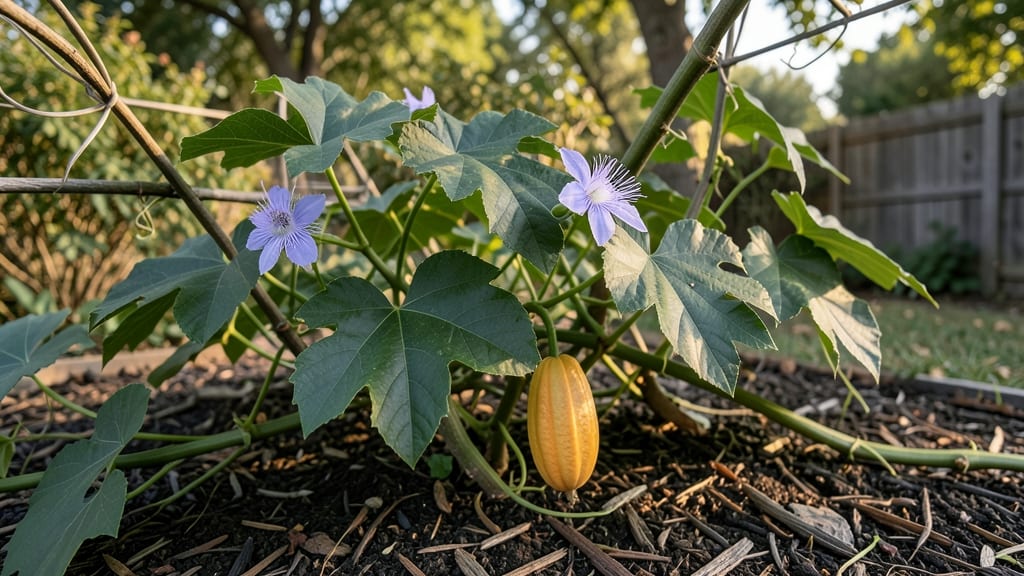
Growing giant passion fruit is like cultivating a tropical treasure in your backyard—🌿 those massive, sweet-tart fruits are worth every effort. I’ve watched my vines produce football-sized passion fruits, and the key starts with the right soil: rich, well-draining, and packed with organic matter.
Without this foundation, even the hardiest plants struggle to thrive. The vines themselves are dramatic—climbing 20+ feet with heart-shaped leaves and delicate purple blooms. They demand full sun (6+ hours daily) and regular watering, but not soggy roots.
Pruning in late winter keeps them manageable, and hand-pollinating the flowers (with a soft brush) ensures those iconic fruits form. By mid-summer, you’ll be harvesting fruit that weighs up to 2 pounds—imagine the jam, smoothies, or fresh slices! The flavor is a perfect balance of tropical sweetness and tangy depth.
Just be patient: full production takes 2-3 years, but the payoff is unmatched. Perfect for warm climates (zones 9-11), but container growing extends the range. Here’s how to set it up right from the start.
📚 In This Guide
- What you need
- Instructions
- Tips and common mistakes
- Wrapping up and next steps
What you need
- ● Giant passion fruit vines or seeds: 1-2 healthy vines (for faster results) or
- ● 5-10 fresh seeds (harvested from ripe fruit) 🌱
- ● Well-draining potting mix: 5-10 gallons (or enough to fill containers 12"+ deep)
- ● Containers or garden plot: Large pots (15-20 gallons) or
- ● Sunny garden bed (6+ ft apart for vines to sprawl)
- ● Balanced fertilizer (10-10-10 or 5-10-10): 1 lb for initial planting
- ● Organic compost: 2-3 cups mixed into soil
- ● Trellis or sturdy support: 8-10 ft tall (for climbing vines)
- ● Pruning shears: Sharp, sterilized pair
- ● Slow-release fertilizer: 1-2 pellets per plant (for sustained growth)
- ● Mulch: Straw or wood chips (to retain moisture)
- ● Drip irrigation system: For consistent watering in hot climates
- ● Fruit thinning tool: To manage overproduction
- ● Gloves: For handling prickly vines (they do have thorns!)
Step-by-Step guide to growing giant passion fruit vines
Here's how to cultivate these tropical showstoppers with bold, oversized fruit.
🌱 Step 1: Select and Prepare Healthy Starts
Choose established vines from a reputable nursery—young plants mature faster and resist disease better than seeds. Look for sturdy stems with multiple leaf nodes and no signs of yellowing or spots. I always opt for grafted varieties like 'Panama Red' or 'Sweetie' because they produce fruit twice yearly and resist common soil-borne diseases.
Before planting, soak the roots in lukewarm water for 30 minutes to rehydrate them. Trim any damaged roots with clean scissors, but leave the main root structure intact. This step ensures your vine establishes quickly and doesn't waste energy healing wounds.
☀️ Step 2: Choose the Perfect Sunny Spot
Giant passion fruit vines demand full sun—at least 6-8 hours daily—and a warm climate (zones 9-11). If you're in cooler areas, grow them in large containers that you can move indoors during winter. The ideal location has shelter from strong winds, which can tear delicate leaves and fruit.
I always test the spot by observing how much sun it gets over a week. Mark the area with a stake to remember where to plant. Passion fruit vines spread aggressively, so give them 15-20 feet of space or provide a sturdy trellis for vertical growth. This prevents overcrowding and makes harvesting easier.
🪴 Step 3: Plant in Well-Draining, Fertile Soil
Dig a hole twice as wide as the root ball but only as deep. Mix the native soil with compost or aged manure to improve fertility and drainage—passion fruit hates soggy roots. Amend the soil with a handful of gravel or perlite if your area has heavy clay to prevent waterlogging.
Place the vine in the hole, spreading the roots gently outward. Backfill with the amended soil, pressing lightly to remove air pockets. Water deeply right after planting to settle the soil around the roots. You'll know it's done right when the soil surface looks slightly compacted but not hardened.
💧 Step 4: Water and Fertilize for Strong Growth
Keep the soil consistently moist but never waterlogged—passion fruit vines wilt quickly in drought but rot just as fast in standing water. Water at the base of the plant in the morning to allow foliage to dry, reducing fungal risks. Mulch with 2-3 inches of organic mulch (like straw or wood chips) to retain moisture and regulate soil temperature.
Feed your vine every 4-6 weeks with a balanced, 10-10-10 fertilizer during the growing season. Once flowers appear, switch to a low-nitrogen, high-phosphorus fertilizer (like 5-10-10) to encourage fruiting. I always fertilize after watering to prevent root burn—this ensures nutrients soak in evenly.
✂️ Step 5: Prune and Train for Productivity
Prune aggressively in late winter or early spring to remove dead, diseased, or crossing branches. Cut back one-third of the old wood to encourage new, vigorous growth. Passion fruit vines produce fruit on new wood, so pruning stimulates more blooms and larger fruit.
Train the vines along a strong trellis or fence, tying them with soft twine every 2-3 feet. This keeps the fruit off the ground, reduces pests, and makes harvesting easier. Watch for tendrils—these curl around supports naturally, but you may need to guide them if growth is sparse. Strong vines develop thick stems and deep green leaves by mid-summer.
Tips & tricks for growing giant passion fruit vines
Real talk: These tropical beauties demand attention—but these tricks will help you avoid the most common pitfalls and grow fruit that’ll impress your neighbors.
Root Prep Matters: That 30-minute root soak in Step 1 isn't just a suggestion—it's critical. I've seen vines struggle when roots aren't properly hydrated before planting. Use lukewarm water (not cold or hot) and trim only the obviously damaged roots. The goal is to wake up the roots gently without shocking them. If your roots are particularly dry, extend the soak to 45 minutes, but no longer—over-soaking can cause root rot.
Sunlight Strategy: The 6-8 hours of full sun requirement is non-negotiable, but here's what nobody tells you: Morning sun is more important than afternoon sun. Passion fruit vines can handle the intense afternoon rays, but morning sunlight helps prevent sunburn on delicate leaves. If you're in a cooler climate, consider a temporary shade cloth (30-50% coverage) during the hottest afternoon hours until your vines are well-established.
Soil Science: That compost or aged manure in Step 3 isn't just for fertility—it's about creating the right texture. Passion fruit roots need air, so if your soil is heavy clay, mix in equal parts compost and perlite. I've had the best success with a soil mix that's 60% native soil, 30% compost, and 10% perlite. This prevents waterlogging while still providing nutrients. Test your soil pH—passion fruit prefers slightly acidic soil (6.0-6.5). If yours is too alkaline, add sulfur to adjust.
Fertilizer Timing: The switch to low-nitrogen, high-phosphorus fertilizer once flowers appear is crucial for fruiting. Here's my pro move: I mix a handful of bone meal into the soil at planting time for an extra phosphorus boost. And when I fertilize, I always use a slow-release fertilizer—it prevents nutrient spikes that can burn roots. Remember, you're feeding the plant, not the soil directly, so always water first to help nutrients penetrate.
Pro Tips for Giant Passion Fruit
- Real talk: These tropical beauties demand attention—but these tricks will help you avoid the most common pitfalls and grow fruit that’ll impress your neighbors.
- Root Prep Matters: That 30-minute root soak in Step 1 isn't just a suggestion—it's critical.
- Sunlight Strategy: The 6-8 hours of full sun requirement is non-negotiable, but here's what nobody tells you: Morning sun is more important than afternoon sun.
Frequently asked questions
Got questions about growing giant passion fruit? You’re not alone!
Here are answers to the most common queries—from planting to harvest—so you can grow these tropical giants with confidence.
How long does it take for a giant passion fruit vine to bear fruit?
A healthy giant passion fruit vine typically takes 12–18 months to produce fruit after planting. Patience is key—young vines focus on establishing roots and foliage first. In warmer climates (USDA Zones 9–11), you might see fruit as early as 9 months, while cooler regions may need an extra season. Pro tip: Provide strong support (like a trellis) early to encourage faster growth!
Can giant passion fruit survive frost or cold weather?
Giant passion fruit is a tropical perennial and is not frost-tolerant. Temperatures below 30°F (-1°C) can damage or kill the plant. If you live in a cooler climate, grow it in containers and move it indoors during winter, or plant it in a greenhouse. Alternatively, treat it as an annual and replant each spring. Pro tip: Mulch heavily in fall to protect roots from light chills!
What’s the best way to eat or use giant passion fruit?
Giant passion fruit is bursting with flavor—sweeter and less seedy than its smaller cousin! Try slicing it open and scooping out the pulp for smoothies, desserts, or fresh fruit salads. The rind is edible too (peel and simmer for jams or teas). For a tropical twist, blend the pulp into passion fruit margaritas or use it as a topping for yogurt and pancakes. Warning: The seeds are hard—chew carefully or strain them out!
What pests or diseases should I watch for with giant passion fruit?
Common pests include mealybugs, aphids, and fruit flies, while diseases like powdery mildew or root rot can strike in humid conditions. Preventative care: Prune for airflow, water at the base (not leaves), and use neem oil for pests. If you spot yellowing leaves, check for nutrient deficiencies (like magnesium) or overwatering. Pro tip: Companion plant with marigolds to deter pests naturally!
Can I grow giant passion fruit in containers? What size pot is best?
Yes! Giant passion fruit thrives in containers if given enough space. Use a 15–20 gallon pot with drainage holes and fill it with well-draining soil (like a mix of potting soil and perlite). Place the pot in full sun (6+ hours daily) and fertilize monthly during growing season. Key tip: Train the vine to climb a trellis or cage—it can grow 20+ feet long! Rotate the pot occasionally for even growth.
Wrapping up and next steps
Growing giant passion fruit is a rewarding journey that blends patience, care, and a touch of tropical flair! 🌿 With the right soil, support, and fertilization, you’ll soon be harvesting massive, flavorful fruits that turn heads—and taste even better.
Whether you’re a seasoned gardener or a curious beginner, every step you take brings you closer to that sweet, juicy payoff.
Ready to dive deeper? Start by planting your vines this season—your future harvest (and bragging rights!) will thank you. 🌱