
Pruning
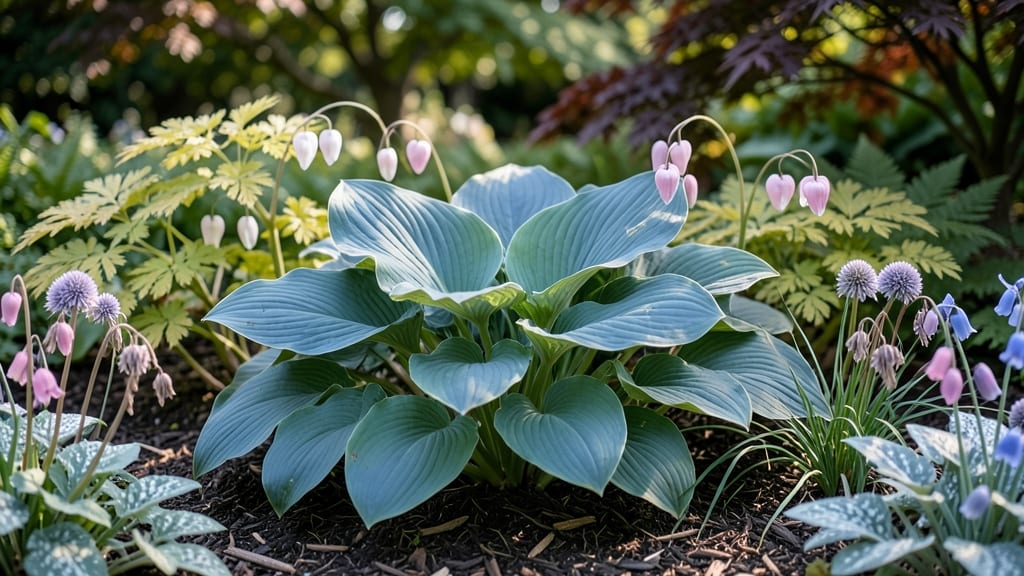
Creating a flower bed under tree roots doesn’t have to mean settling for scraggly, half-hearted plants. 🌿 The right shade-tolerant bloomers can outperform sun-loving varieties—if you choose wisely and prep the soil properly.
My first attempt ended with a sad patch of struggling impatiens, but this time, I’m sharing the plants and techniques that actually thrive in dappled light.
The key is matching plants to the specific shade conditions under your tree. Hostas and ferns handle deep shade, while wild columbine and bleeding heart flourish in dappled light. Start with a 3-inch layer of mulch to suppress weeds and retain moisture—critical since tree roots compete for water.
Soil prep matters too: amending with compost ensures roots get the nutrients they need without fighting for space.
By summer’s end, you’ll have a lush, low-maintenance bed that stays vibrant even when other gardens fade. The plants I’ve tested stay healthy with once-weekly watering (more in extreme heat) and minimal pruning.
Plus, the right ground covers like creeping phlox or ajuga suppress weeds naturally, cutting your work in half.
This approach works for any mature tree—oak, maple, or pine—just adjust mulch depth based on how aggressive the roots are. The payoff? A garden spot that’s both stunning and effortless, proving shade doesn’t have to mean compromise. Let’s get those roots working for you, not against you.
📚 In This Guide
- What you need
- Instructions
- Tips and common mistakes
- Wrapping up and next steps
What you need
- ● Soil amendments: 2–3 bags (40–60 lbs each) of compost or well-rotted manure
- ● 1–2 bags (50 lbs each) of peat moss or coconut coir (for moisture retention)
- ○ Optional: 1 bag (40 lbs) of pine fines or bark chips (for acid-loving plants)
- ● Mulch: 3–5 bags (2–3 cubic feet each) of wood chips, shredded bark, or straw mulch
- ● Slow-release fertilizer: 1–2 lbs of 10-10-10 or 5-10-10 granular fertilizer (adjust based on soil test)
- ● Drip irrigation or soaker hose: 10–20 ft (depending on bed size)
- ● Hand tools: Garden fork or tiller (for aerating soil)
- ● Garden shovel and spade
- ● Pruners (for trimming roots or nearby branches)
- ● Rake (for leveling soil)
- ○ Optional (but helpful): Knee pads or a small stool (for comfort)
- ● Garden gloves (to protect your hands)
- ● Measuring tape (for precise spacing)
- ● Edging tool (to define bed borders)
- ● Prerequisites: Clear the area of debris, weeds, or invasive roots
- ● Test soil pH (ideal range: 5.5–6.5 for most flowers)
- ● Check tree root depth (avoid disturbing roots deeper than 12 inches)
- ● Hosta (shade-tolerant, lush foliage)
- ● Bleeding heart (Dicentra) (delicate blooms, partial shade)
- ● Ferns (e.g., maidenhair or ostrich) (textural contrast)
- ● Hydrangeas (e.g., 'Endless Summer') (thrive in partial shade)
- ● Lungwort (Pulmonaria) (early blooms, low-maintenance)
- ● Coral bells (Heuchera) (colorful foliage, drought-tolerant)
How to create a stunning flower bed under a tree
Dappled light opens up a whole new world of vibrant flowers—here’s how to make the most of it.
🌱 Step 1: Prepare the Soil for Dappled Light Lovers
Start by clearing away any grass or weeds from the area, working outward from the tree trunk. The soil under trees tends to be compacted and poor in nutrients, so you’ll want to loosen it to a depth of 6 inches using a garden fork or tiller. This helps roots establish more easily in the dense, shaded conditions.
Mix in 2-3 inches of compost or well-rotted manure to enrich the soil without overwhelming the plants. I like to add a handful of perlite or coarse sand to improve drainage—tree roots compete fiercely for moisture, and soggy soil invites rot. Spread the amended soil evenly across the bed, leaving space for your chosen plants.
☀️ Step 2: Choose the Right Flowers for Dappled Light
Not all flowers thrive under trees, but the right picks will flourish where others struggle. Opt for bleeding heart, astilbe, ferns, lungwort, and foamflower—these handle the shifting light beautifully. Avoid sun-loving perennials like daylilies or black-eyed Susans; they’ll wilt in the shade.
Here’s the thing—dappled light changes throughout the day, so group plants with similar shade tolerance together. For example, place hostas and heucheras near the tree’s trunk where light is faintest, and columbines or ajuga toward the outer edges where sunlight filters through more freely. You’ll see them fill in more evenly over time.
🪴 Step 3: Plant with Care to Avoid Root Competition
Dig holes twice as wide as the root ball but only as deep as the container. This encourages roots to spread horizontally, which is ideal for shallow-rooted perennials. Gently remove plants from their pots and tease apart any circling roots—this prevents them from strangling themselves as they grow.
Place each plant so the top of the root ball sits just below soil level. Press the soil firmly around the roots to eliminate air pockets, then water deeply to settle everything. I like to add a 1-inch layer of mulch (like shredded bark) afterward, keeping it 6 inches away from the tree trunk to avoid smothering it.
💧 Step 4: Water and Maintain for Long-Term Success
Water newly planted flowers every 2-3 days until they’re established, checking that the soil stays moist but not soggy. Dappled light areas dry out slower than full sun, but roots still need consistent moisture. Once plants are settled (after 4-6 weeks), reduce watering to once a week, adjusting for rain.
Fertilize lightly in early spring with a balanced, slow-release fertilizer—too much nitrogen will encourage leafy growth at the expense of flowers. I skip fertilizing in fall, letting the plants rest. Watch for yellowing leaves or stunted growth; these are signs of overwatering or poor drainage, not shade stress.
✂️ Step 5: Prune and Refresh Seasonally
In late winter or early spring, cut back any dead or damaged foliage to make room for new growth. For perennials like bleeding heart or astilbe, trim spent blooms back to the ground—this keeps the bed tidy and redirects energy to next year’s flowers. Avoid heavy pruning in fall, as new growth won’t harden off before winter.
Every 2-3 years, refresh the mulch and top-dress the soil with a 1-inch layer of compost. This replenishes nutrients without disturbing roots. If any plants outgrow their space, divide them in early spring—this rejuvenates them and gives you free extra plants for other shady spots in your garden.
Tips & tricks for perfect flower beds under trees
Creating a thriving flower bed under a tree takes a few key tricks to beat the shade challenge.
Soil Preparation Secret: Don't just loosen the soil—test it first! The compacted soil under trees often hides pockets of clay. After loosening to 6 inches, do a simple jar test: fill a clean jar with soil and water, then shake. If it takes more than 4 hours for sediment to settle, you need more compost (aim for 3 inches) and perlite to break up that clay. This prevents waterlogging that can drown roots.
Light Mapping Strategy: Observe your tree's light patterns for a week before planting. Mark the ground with stakes where sunlight hits at different times—morning, noon, and afternoon. This helps you position sun-loving plants like columbines in the outer edges where they'll get 3-4 hours of light, while hostas stay near the trunk where they'll thrive with just 2 hours. I've seen plants fail because they were placed in the wrong light zone.
Mulch Placement Matters: That 1-inch layer of mulch you're adding? Keep it 6 inches from the tree trunk to prevent rot, but here's the trick: create a gradual slope with the mulch—thicker (2 inches) at the outer edges where plants need more moisture, and thinner (½ inch) near the tree. This mimics natural forest conditions and prevents water pooling near the trunk.
Planting Depth Hack: When placing plants so the root ball sits just below soil level, here's what I do: press the soil firmly around the roots, then make a small well around the base. This creates a natural watering channel that directs moisture exactly where it's needed. After watering, the well fills with water, ensuring the roots get hydrated without runoff.
Pro Tips for Flower Bed Under Tree
- Creating a thriving flower bed under a tree takes a few key tricks to beat the shade challenge.
- Soil Preparation Secret: Don't just loosen the soil—test it first! The compacted soil under trees often hides pockets...
- Light Mapping Strategy: Observe your tree's light patterns for a week before planting. Mark the ground with stakes wh...
Frequently asked questions
Got questions about creating a stunning flower bed under your tree? You’re not alone!
Here are answers to the most common concerns—from timing to troubleshooting—so you can plant with confidence.
What are the best flowers for a flower bed under a tree?
Opt for dappled-light lovers like bleeding heart, astilbe, ferns, and hostas. These thrive in partial shade and tolerate root competition. Avoid sun-worshippers like marigolds or lavender—they’ll wilt under a tree’s canopy. Pro tip: Mix in ground covers like creeping phlox or ajuga to fill gaps and suppress weeds.
When is the best time to plant a flower bed under a tree?
Plant in early spring or early fall when soil is moist but not frozen. Avoid summer heat (stresses roots) and winter (delays growth). If your tree is young, plant flowers 2–3 feet from the trunk to avoid root competition. For mature trees, wait until after leaf drop in fall to assess moisture levels.
How do I prepare the soil under a tree for planting?
Start by removing weeds and debris, then loosen soil with a garden fork (avoid compacting it). Amend with compost or well-rotted manure to improve drainage—tree roots can deplete nutrients. Test soil pH (ideal: 6.0–7.0 for most flowers) and adjust with lime or sulfur if needed. Pro tip: Use mulch (2–4 inches) to retain moisture and block weeds.
Will my flower bed compete with the tree’s roots?
Yes, but smart planning minimizes conflict. Keep flowers at least 2–3 feet from the trunk (farther for large trees). Choose shallow-rooted plants and avoid deep-digging perennials. If roots are invasive, install a root barrier (buried vertically) or opt for container gardening near the base.
How often should I water a flower bed under a tree?
Water deeply 1–2 times per week (more in extreme heat). Dappled shade can create dry spots, so check soil moisture 2 inches down—if it’s dry, water thoroughly. Avoid overhead watering (encourages fungal diseases). Use drip irrigation or soaker hoses to deliver water directly to roots.
What pests or diseases should I watch for in a shaded flower bed?
Watch for slugs, snails, and aphids (common in moist shade). Use copper barriers or diatomaceous earth for slugs, and neem oil for aphids. Fungal issues (like powdery mildew) thrive in humid shade—improve airflow by spacing plants and avoid wetting foliage. Pro tip: Rotate plants annually to prevent soil-borne diseases.
Wrapping up and next steps
Creating a flower bed under a tree doesn’t have to be a challenge—it’s all about embracing the dappled light and selecting the right plants! With the perfect mix of sun-tolerant perennials, ground covers, and shade-friendly blooms, you’ll transform that tricky space into a vibrant, low-maintenance oasis. 🌿✨
Ready to turn theory into action? Start small—pick one or two of the thriving plants from this guide, sketch a simple layout, and begin planting this weekend. Before you know it, your tree’s understory will be a lush, colorful haven that even the toughest shade lovers will envy!