
Flowers
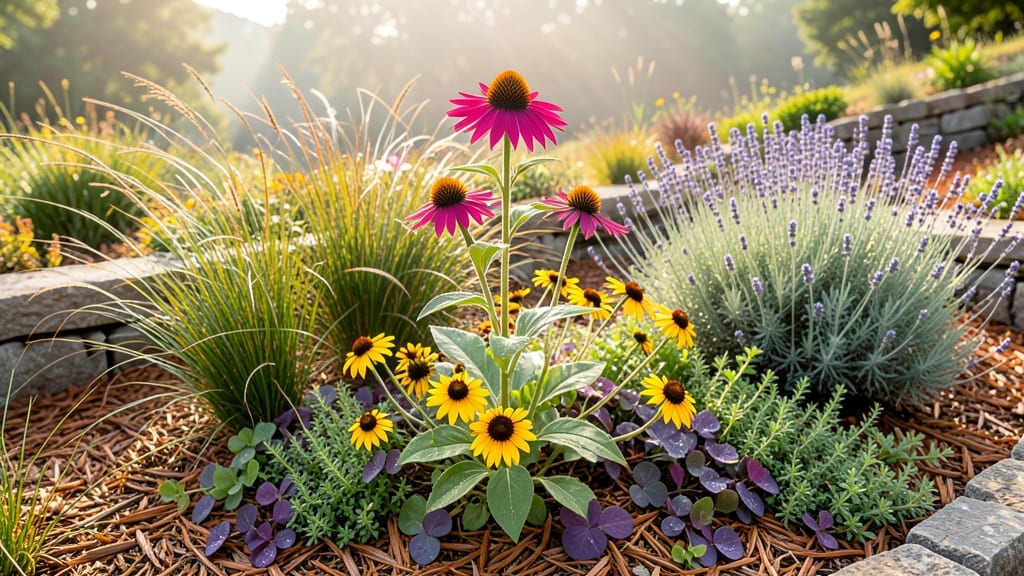
A flower bed on a hill transforms your yard into a living work of art—but without the right prep, it turns into a mudslide waiting to happen. 🌿 I’ve designed three dramatic hillside beds that stay stable through rain and drought, using plants that cling to slopes like vines to a trellis.
The key? Terracing isn’t just about looks; it’s about giving roots a fighting chance. Start with 3-4 inch layers of gravel and landscape fabric to stop soil from washing away.
Then choose plants that love shallow roots and erosion control—like creeping thyme, sedum, or ornamental grasses—that spread instead of digging deep. My hillside bed blooms from spring to fall without a single plant slipping away.
You’ll end up with a showstopping tiered display that frames your house or garden like a natural stage. The secret’s in the curves: soft, winding edges let water drain naturally while creating movement. Even my first attempt—with too much clay soil—ended up stunning after a year of adjustments.
Works for any slope, from gentle rises to steep banks. The biggest mistake? Skipping the fabric. Trust me, the mess you’ll avoid is worth the extra 10 minutes of prep.
📚 In This Guide
- What you need
- Instructions
- Tips and common mistakes
- Wrapping up and next steps
What you need
- ● Soil: 5–10 cubic yards of high-quality topsoil or garden loam (amended with compost for drainage and nutrients). For slopes, consider sand or gravel (20–30% mix) to prevent erosion.
- ● Mulch: 2–3 bags of wood chips or straw mulch (1–2 inches thick) to retain moisture and suppress weeds.
- ● Plants: Perennials (for structure): 10–15 coneflowers, black-eyed Susans, or daylilies (drought-tolerant varieties).
- ● Annuals (for color): 20–30 petunias, salvias, or snapdragons (choose based on sun exposure).
- ● Ground cover: 5–10 creeping thyme or ajuga to stabilize soil and fill gaps.
- ○ Shrubs (optional): 2–4 dwarf boxwoods or ornamental grasses for height and texture.
- ● Erosion control: 1–2 rolls of landscape fabric or coir erosion mats (if the slope is steep).
- ● Fertilizer: Slow-release 10-10-10 granular fertilizer or organic compost tea.
- ● Digging tools: 1 shovel (for soil prep).
- ● 1 garden fork (to loosen compacted soil).
- ● 1 hand trowel (for planting small perennials).
- ● Slope prep: 1 wheelbarrow (for hauling soil/mulch).
- ● 1 rakes (1 bow rake, 1 leaf rake).
- ● 1 leveling tool (to create gentle contours).
- ○ Safety/optional: 1 pair knee pads (for comfort).
- ● 1 hose with nozzle (for watering post-planting).
- ● 1 pruners (for trimming plants).
- ● Site assessment: Measure the slope’s angle and size (steeper than 30%? Consider terraces or retaining walls).
- ● Sunlight analysis: Note hours of direct sun (full sun = 6+ hrs; partial = 3–6 hrs).
- ● Drainage check: Ensure no standing water after rain (redirect runoff if needed).
- ● Local regulations: Verify if permit is needed for retaining walls or major grading.
Step-by-Step guide to creating a flower bed on a hill
Transforming a sloped area into a stunning flower bed adds drama and visual interest to any garden.
🪴 Step 1: Assess and Prepare the Hillside
Start by examining the slope—look for erosion risks or unstable soil. If the hill is steep or prone to sliding, consider installing retention fabric or landscape timbers along the edges to create terraces. I like to mark the outline of my flower bed with spray paint or stakes and string to visualize the final shape before digging.
Use a shovel or edging tool to trim the grass or weeds along your marked outline, keeping the edges clean. For gentle slopes, you can create a gradual tiered effect by cutting into the hill in 12-18 inch steps, leaving a 6-12 inch lip at the back of each level. This prevents soil from washing away during rain and gives you defined planting areas.
☀️ Step 2: Improve Soil and Drainage
Hillsides often have poor soil quality, so mix 2-3 inches of compost into the top 6 inches of native soil to improve fertility and drainage. If your hill is very rocky or sandy, add a layer of topsoil to create a more stable planting medium. I like to use a garden fork to loosen compacted soil before amending it.
For better water retention, especially on steep slopes, spread a 1-2 inch layer of mulch (like pine bark fines or shredded leaves) after planting. This helps prevent erosion and keeps roots cool. Avoid heavy mulch on steep hills—it can slide down and smother plants.
🌱 Step 3: Choose the Right Plants for Elevation
Select drought-tolerant, erosion-resistant plants like shrubs (e.g., lavender, Russian sage), perennials (e.g., coneflowers, black-eyed Susans), and ground covers (e.g., creeping thyme, sedum). Place taller plants at the back of each tier and shorter ones toward the front to create depth. I always group plants with similar water needs together to simplify care.
For steep slopes, consider native grasses or deep-rooted perennials—they stabilize soil naturally. Avoid heavy annuals or top-heavy plants that can topple in wind or rain. Water newly planted hillsides deeply once a week for the first 4-6 weeks to help roots establish.
✂️ Step 4: Maintain and Enhance Over Time
After planting, monitor the hillside for erosion or exposed roots, especially after heavy rain. If soil shifts, add more mulch or small rocks to reinforce the edges. Prune plants seasonally to encourage bushier growth—cut back leggy stems by one-third in early spring or after flowering.
To keep the flower bed looking polished, remove spent blooms regularly and top-dress with compost in early spring. Over time, you can add stepping stones or decorative boulders along the tiers for extra visual appeal. A well-maintained hillside flower bed will thrive for years with minimal effort.
Tips & tricks for perfect hillside flower beds
Creating a stunning flower bed on a hill doesn't have to be tricky—these little adjustments make all the difference.
Terracing Technique: When creating those 12-18 inch steps in Step 1, I like to use a level to ensure each tier is perfectly horizontal. This prevents water pooling and gives you consistent planting depth. For extra stability, especially on steeper slopes, consider adding a few landscape timbers at the back of each tier before planting—this creates natural barriers that won't wash away during rain.
Soil Prep Pro Tip: Before mixing in that 2-3 inches of compost, take a soil sample from your hillside. If it's particularly rocky or sandy, add a layer of topsoil first, then mix in your compost. This two-step process creates a more stable planting medium that holds moisture better. I've found that adding a handful of perlite to the mix helps with drainage on very steep slopes.
Plant Placement Strategy: When arranging your drought-tolerant plants in Step 3, place the tallest varieties at the very back of each tier—this creates that dramatic cascading effect we all love. For extra visual interest, I like to add a few ornamental grasses at the edges; their airy texture contrasts beautifully with the solid forms of shrubs and perennials. Group plants with similar water needs together, but leave some space between clusters to allow for seasonal growth.
Mulch Magic: That 1-2 inch layer of mulch isn't just for looks—it's your erosion control superhero. For steep slopes, I recommend using a lighter mulch like pine bark fines rather than heavy wood chips. Spread it evenly but don't pack it down, and consider edging it with small rocks to keep it in place. After heavy rains, give your mulch a quick fluff to restore its insulating properties.
Pro Tips for Flower Bed On Hill
- Creating a stunning flower bed on a hill doesn't have to be tricky—these little adjustments make all the difference.
- Terracing Technique: When creating those 12-18 inch steps in Step 1, I like to use a level to ensure each tier is per...
- Soil Prep Pro Tip: Before mixing in that 2-3 inches of compost, take a soil sample from your hillside. If it's partic...
Frequently asked questions
Got questions about creating a stunning flower bed on a hill? You’re not alone! Here are answers to the most common concerns—from planning to maintenance—so you can turn your elevated garden into a showstopper.
What’s the best soil mix for a hillside flower bed?
A well-draining, nutrient-rich blend is key. Mix topsoil with compost (60/40 ratio) and add perlite or sand (10%) to prevent erosion. For steep slopes, use coco coir or erosion-control fabric to stabilize the base. Test your soil’s pH—most flowers thrive in 6.0–7.0.
When is the best time to plant a hillside flower bed?
Plant in early spring or fall when temperatures are mild and rain is frequent. Avoid summer heat or winter frosts, which stress plants. If planting perennials, give them 6–8 weeks to establish roots before extreme weather hits. Pro tip: Mulch after planting to retain moisture!
How can I reduce costs while still getting a beautiful hillside design?
Skip expensive topsoil by using local compost or leaf mold. Choose native plants (they’re drought-resistant and low-maintenance). Repurpose gravel or rocks for paths or borders instead of pavers. Thrift stores or garden swaps often have reusable containers for seedlings!
Will a hillside flower bed erode over time? How do I prevent it?
Erosion is common but manageable! Use terracing or retaining walls (even DIY options like stacked logs or boulders work). Plant deep-rooted ground covers (e.g., creeping thyme or ferns) to hold soil. Mulch heavily (3–4 inches) with straw or wood chips, and water gently to avoid washing away topsoil.
What are the best low-maintenance flowers for a hillside?
Opt for drought-tolerant, self-seeding annuals like lupine, black-eyed Susans, or coneflowers. Perennials like lavender, sedum, or Russian sage thrive with minimal care. Avoid heavy bloomers (e.g., hydrangeas) unless you’re willing to stake or prune regularly.
What should I do if my hillside flowers aren’t thriving?
Check for poor drainage (add compost or sand) or overwatering (hillside beds dry faster). Yellowing leaves? Test soil pH or adjust fertilizer. Pests or disease? Isolate affected plants and treat with neem oil or insecticidal soap. Pro tip: Rotate plants every few years to refresh soil nutrients!
Wrapping up and next steps
A flower bed on a hill isn’t just a design choice—it’s a masterstroke for transforming your garden into a breathtaking, elevated oasis. 🌿 Whether you’re working with a natural slope or a carefully crafted terrace, the right plants, drainage, and strategic placement can turn even the trickiest terrain into a showstopping feature.
Your hard work will pay off with year-round beauty and a garden that feels like a dreamy escape.
Ready to bring your vision to life? Start by sketching your design, gathering your materials, and taking it one step at a time. Every great garden begins with a single shovel of dirt—so grab yours and get planting! 🌸