
Container Gardens
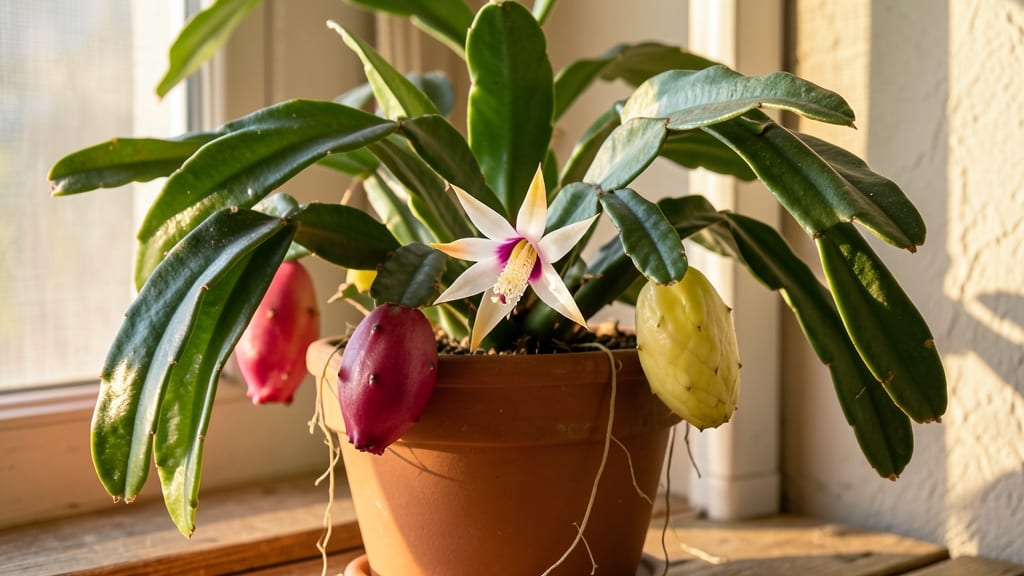
Growing dragon fruit in pots lets you enjoy this exotic plant without a tropical climate. 🌱 I've grown mine in containers for three years, and the secret is simple: the right pot, soil, and a little patience.
What starts as a small vine can produce vibrant pink or yellow fruit right on your patio or balcony.
The key is choosing a 15-20 gallon pot with drainage holes and a lightweight potting mix that mimics its native soil. Dragon fruit thrives in full sun, so place it where it gets at least 6-8 hours of direct light daily.
Water when the top inch of soil feels dry—overwatering is the #1 killer of container-grown dragon fruit.
By summer, you'll see those iconic pink or yellow blooms followed by golf-ball-sized fruit that tastes like a mix of kiwi and pear. The plant grows fast, so prune leggy stems to encourage bushier growth and more flowers.
With the right care, your container-grown dragon fruit can produce fruit year after year.
Works for balconies, patios, or even sunny windowsills—just adjust watering based on indoor conditions. Here's how to keep it thriving without the fuss.
📚 In This Guide
- What you need
- Instructions
- Tips and common mistakes
- Wrapping up and next steps
What you need
- ● Dragon fruit plant: A healthy, potted dragon fruit (pitaya) cutting or seedling (check for vibrant green leaves and no signs of pests).
- ● Container: Minimum 12-inch diameter pot (bigger is better for mature plants—18+ inches for long-term growth).
- ● Must have drainage holes (or drill your own!).
- ● Material: Terracotta, plastic, or fabric grow bags (terracotta helps regulate moisture).
- ● Potting mix: Well-draining cactus/succulent mix (avoid heavy garden soil—it causes root rot!). Mix with 20-30% perlite or pumice for extra aeration.
- ● Support structure: Bamboo stakes or trellis (4-6 feet tall) for climbing varieties.
- ● Soft plant ties (to secure vines gently as they grow).
- ● Fertilizer: Balanced liquid fertilizer (10-10-10 or 20-20-20, diluted to half-strength).
- ○ Slow-release granules (optional, for convenience).
- ● Mulch: Cactus soil or gravel to retain moisture and regulate temperature.
- ● pH test kit: Dragon fruit prefers 6.0–7.0 pH (adjust with lime or sulfur if needed).
- ● Grow lights: If indoors, a full-spectrum LED grow light (12+ hours/day) mimics sunlight.
- ● Humidity tray: A pebble tray with water to boost humidity in dry climates.
- ● Pruning shears: For trimming dead leaves or vines (sterilize with rubbing alcohol!).
Step-by-Step instructions for growing dragon fruit in pots
Let’s turn your patio into a dragon fruit paradise—no greenhouse needed.
🪴 Step 1: Choose the Right Pot and Drainage
Dragon fruit thrives in 10-12 inch diameter pots with drainage holes—this plant hates soggy roots. I use terra cotta pots because they breathe and prevent root rot. If your pot lacks holes, drill 2-3 under the base. Add a 2-inch layer of gravel or broken pottery at the bottom to create a drainage barrier that keeps roots dry.
Here’s the thing—dragon fruit is a heavy feeder, so pick a pot with at least 2 feet of depth for mature plants. If you’re growing multiple plants, space pots 3-4 feet apart to allow for sprawling vines. I always err on the side of bigger pots because dragon fruit’s roots grow aggressively once established.
🌱 Step 2: Plant the Cuttings or Seedlings
Dragon fruit grows from seedlings or 6-inch cuttings (never seeds—they take years to fruit). If using cuttings, dip the end in rooting hormone and plant 1 inch deep in well-draining cactus/succulent mix. Press the soil gently around the stem to secure it without compacting.
Water lightly after planting—just enough to moisten the soil. Overwatering now will rot the cutting before roots form. Place the pot in bright, indirect light for the first week while the cutting establishes. You’ll know it’s taking when new growth appears at the base after 2-3 weeks.
☀️ Step 3: Provide Full Sun and Warmth
Dragon fruit needs 6+ hours of direct sun daily—a south-facing window or outdoor spot works best. If indoors, supplement with a grow light (12-14 hours/day) to prevent leggy growth. I’ve seen plants stretch toward the light and never recover, so keep the light 4-6 inches above the plant and adjust as it grows.
Keep temperatures between 65-90°F—this plant is tropical and wilts in cold drafts. If nights dip below 55°F, move it indoors or cover with frost cloth. You’ll notice leaves curling or yellowing if it’s too cold—bring it back to warmth immediately.
💧 Step 4: Water and Fertilize for Maximum Fruit
Water when the top 2 inches of soil feel dry—dragon fruit stores water in its thick stems, so it’s drought-tolerant once established. I water every 7-10 days in summer, less in winter. Always water at the base to avoid fungal issues on leaves. Let excess water drain completely—no soggy soil!
Feed with a balanced liquid fertilizer (10-10-10) every 4-6 weeks during growing season. When buds form, switch to a high-potassium fertilizer to boost fruit production. I’ve seen plants skip fruiting when they’re underfed—don’t skip this step if you want those vibrant pink fruits!
✂️ Step 5: Prune and Support for Heavy Fruit
Train vines along a trellis or strong support—dragon fruit can grow 20+ feet if unchecked. Prune leggy growth in early spring to encourage bushier, fruit-bearing branches. Cut back 1/3 of the oldest stems to redirect energy to new growth. You’ll see thicker canes and more buds after pruning.
Remove dead or diseased leaves immediately to prevent spread. When flowers appear, hand-pollinate with a small brush if no bees visit (dragon fruit flowers open at night). Fruit takes 30-40 days to ripen—harvest when the skin turns bright pink and gives slightly to touch.
Tips & tricks for growing dragon fruit in pots
Here’s what nobody tells you about keeping your dragon fruit thriving in containers—these tricks make all the difference.
Drainage is Non-Negotiable: The 2-inch gravel layer in Step 1 isn’t just about drainage—it’s about preventing root suffocation. I’ve seen dragon fruit roots rot within weeks when planted in regular potting mix without this barrier. Use clean, coarse gravel or even broken terracotta pieces to create air pockets. If your pot has no holes, drill them yourself—this plant will thank you with vigorous growth.
Rooting Hormone Works Wonders: When planting 6-inch cuttings in Step 2, don’t skip the rooting hormone—it triples your success rate. I’ve rooted cuttings without it, but they take twice as long (6-8 weeks instead of 2-3). Dip the cut end for 5 seconds, then plant immediately. The hormone stimulates cell division at the cut surface, giving you stronger roots faster.
Light is Everything: The 12-14 hours of grow light in Step 3 is critical, but placement matters just as much. Position your light so it’s 4-6 inches above the plant and adjust it as the vine grows. I’ve seen plants stretch toward the light and become leggy when the light source was too far away. For outdoor plants, rotate pots weekly to ensure even sun exposure on all sides—this prevents one-sided growth and maximizes fruit production.
Fertilizer Timing is Key: The switch to high-potassium fertilizer in Step 4 should happen precisely when you see flower buds forming. I’ve missed this window before and ended up with lots of leaves but no fruit. Look for small white buds along the vine—once they appear, switch fertilizers immediately. The extra potassium helps develop stronger fruit walls and sweeter flesh.
Pro Tips for Dragon Fruit In Pots
- Here’s what nobody tells you about keeping your dragon fruit thriving in containers—these tricks make all the difference.
- Drainage is Non-Negotiable: The 2-inch gravel layer in Step 1 isn’t just about drainage—it’s about preventing root suffocation.
- Rooting Hormone Works Wonders: When planting 6-inch cuttings in Step 2, don’t skip the rooting hormone—it triples your success rate.
Frequently asked questions
Got questions about growing dragon fruit in pots? You’re not alone! Here are some of the most common concerns—plus straightforward answers to help you succeed.
Can dragon fruit thrive in small pots, or do I need a large container?
Dragon fruit is adaptable! While a 5-gallon pot (18-24 inches deep) is ideal for mature plants, younger vines can start in 3-5 gallon pots. Just ensure the pot has drainage holes to prevent root rot. As the plant grows, upgrade to a larger container—dragon fruit loves room to stretch its roots (and vines!).
How long does it take for a potted dragon fruit to bear fruit?
Patience is key! Under optimal conditions (full sun, warm temps, and proper care), dragon fruit vines may produce fruit in 2-3 years. However, some varieties can take up to 5 years in pots. Pro tip: Male and female flowers grow on separate plants—you’ll need both for pollination (and fruit!).
What’s the best temperature range for potted dragon fruit?
Dragon fruit loves warmth and thrives in temperatures between 60–95°F (15–35°C). Below 50°F (10°C), growth slows, and frost (32°F/0°C) will kill the plant. If you live in a cooler climate, grow it in a sunny indoor space or bring pots inside during winter. A heat lamp can help extend the growing season!
Why are my dragon fruit leaves turning yellow or dropping?
Yellowing leaves often signal overwatering, underwatering, or nutrient deficiencies. Check the soil—it should be dry 1–2 inches down before watering. If leaves are crispy, you’re underwatering; if mushy, you’re overdoing it. Brown edges may mean low humidity or fluoride in tap water (use filtered water instead). Feed with a balanced fertilizer (10-10-10) every 2 months for a boost!
Can I grow dragon fruit in pots indoors year-round?
Yes, but with careful conditions! Dragon fruit needs 6+ hours of direct sunlight daily—a south-facing window or grow lights work best. Keep humidity high (use a pebble tray or humidifier) and maintain 70–80°F (21–27°C) temps. Without proper light, growth will be slow, and flowering may not occur. Bonus: Rotate the pot weekly for even sunlight exposure!
Wrapping up and next steps
Growing dragon fruit in pots is a rewarding way to bring tropical beauty to your space—no green thumb required! 🌱 With minimal care, you’ll enjoy vibrant blooms and sweet, exotic fruit while keeping your garden compact and stylish.
Whether you’re a beginner or a seasoned gardener, this low-maintenance plant proves that big results come in small pots.
Ready to take the next step? Start with a healthy cutting or young plant, choose the right pot, and give it a sunny spot. Before you know it, you’ll be harvesting dragon fruit straight from your balcony or patio! 🍈✨