
Landscaping
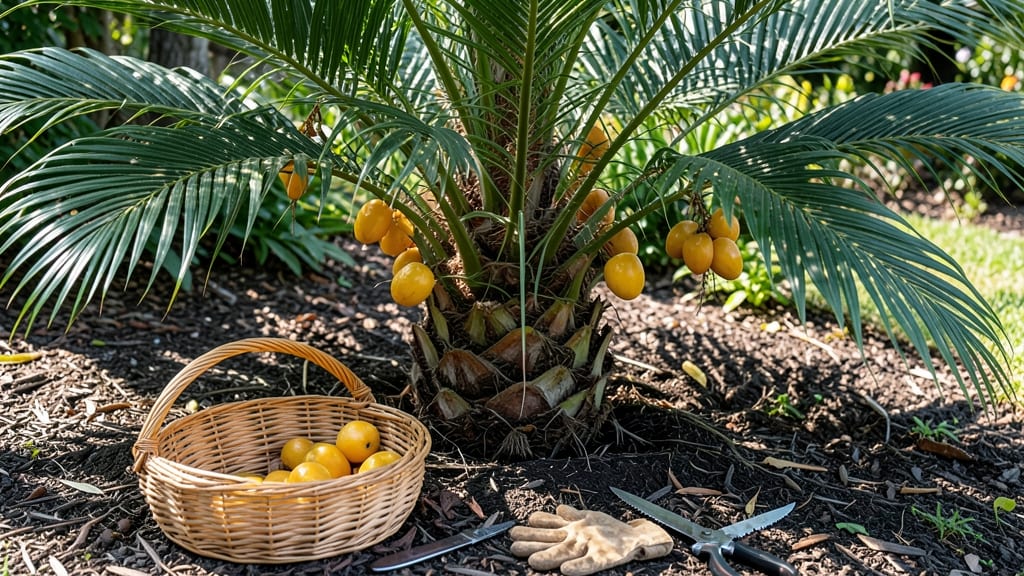
Growing jelly palm fruit means fast foliage drama with minimal fuss. 🌿 This hardy palm thrives in full sun and handles drought once established—perfect for warm climates or frost-free zones.
The key is mimicking its natural habitat with well-draining soil and infrequent watering, which keeps it healthy and encourages those signature orange fruits. You’ll need a spot with at least 6 hours of sunlight daily and soil that drains well (think sandy loam or a mix with perlite).
Young palms need regular watering, but mature ones can go weeks without it. Pruning is simple: just remove dead fronds at the base with clean shears—no fancy techniques required. By year two or three, you’ll start seeing clusters of bright orange fruits that ripen in late summer.
They’re edible (though tart) and make delicious jelly—just slice, cook, and strain. The palm itself grows 3-5 feet tall, making it ideal for borders, patios, or as a striking focal point. Works in USDA zones 8-11, but even in cooler areas, it’ll survive as a container plant.
The real magic? How quickly it fills out—no waiting years for impact. Let’s get yours growing!
📚 In This Guide
- What you need
- Instructions
- Tips and common mistakes
- Wrapping up and next steps
What you need
- ● Jelly palm fruit: 1–3 nursery-grown saplings (3–5 ft tall, hardy to USDA Zones 8–11)
- ● OR 5–10 fresh seeds (harvested from ripe fruit or purchased from a reputable supplier)
- ● Well-draining soil: 50% native soil + 50% organic mix (e.g., cactus/succulent blend or compost)
- ● Planting site: Full sun (6+ hours/day)
- ● Sheltered from strong winds (young palms are delicate!)
- ● Fertilizer: Balanced palm-specific fertilizer (10-10-10 or 8-2-12 NPK ratio)
- ● Mulch: 2–3 inches of pine bark or wood chips (retains moisture, regulates temperature)
- ● Garden trowel or transplant spade
- ○ Gloves (optional but recommended—palm fronds can be spiky!)
- ● Watering can or hose with soaker nozzle (for deep watering)
- ● Pruners (sterilized, for removing dead fronds)
- ○ pH tester (optional, ideal soil pH: 5.5–7.0)
- ● Epsom salt (for magnesium boost, especially in sandy soils)
- ● Drip irrigation system (automates watering for drought-prone climates)
- ● Windbreak barrier (bamboo screens or mesh for young palms)
- ● Slow-release fertilizer granules (applied 2x/year for steady growth)
Step-by-step instructions for planting and caring for jelly palm fruit
Here's how to grow this stunning tropical plant for quick, dramatic foliage in your garden.
🌱 Step 1: Choose the Perfect Planting Location
Jelly palm thrives in bright, indirect light—think dappled shade under taller trees or a bright indoor spot near an east-facing window. Direct sun can scorch its delicate fronds, while too little light causes slow growth and pale leaves. I always test a spot by placing a similar-sized plant there for a week first.
This plant loves humidity—aim for 60% or higher. If your climate is dry, group it with other tropical plants or use a pebble tray with water underneath. The ideal temperature range is 65-85°F, so avoid drafty areas or cold windows.
🪴 Step 2: Prepare the Soil and Plant Properly
Use a well-draining potting mix blended with 20% perlite or orchid bark to prevent root rot. Fill your container to 1 inch below the rim—jelly palms need room for their roots to spread. I like to add a handful of slow-release fertilizer at planting time to give it a nutrient boost right away.
Gently remove the plant from its nursery pot and loosen the roots if they're circling. Place it in the center of the container and backfill with soil, pressing lightly to eliminate air pockets. Water thoroughly until it drains from the bottom—this helps settle the soil and removes any air gaps around the roots.
☀️ Step 3: Water and Maintain Humidity Levels
Water when the top 1-2 inches of soil feel dry to the touch. Stick your finger in the soil—if it's damp past your first knuckle, wait another day. Overwatering is the #1 killer of jelly palms, so always use a pot with drainage holes. I like to water in the morning so excess moisture evaporates during the day.
Mist the fronds 2-3 times a week to maintain humidity, especially in dry climates. You'll know you're doing it right when the soil stays consistently moist but not soggy, and the fronds stay vibrant green without brown tips. If you notice crispy leaf edges, that's your sign to increase humidity immediately.
✂️ Step 4: Fertilize and Prune for Healthy Growth
Feed your jelly palm with a balanced liquid fertilizer (10-10-10) every 4-6 weeks during spring and summer. Cut back to monthly in fall and stop fertilizing in winter. I always dilute the fertilizer to half-strength—too much can burn the roots. You'll see new fronds emerging within a few weeks of consistent feeding.
Remove any yellow or brown fronds with clean pruning shears as soon as you spot them. These are signs of stress or disease, and keeping the plant tidy encourages new growth. Never prune more than 1/3 of the plant at once—this can shock the jelly palm and stunt its dramatic foliage development.
⏰ Step 5: Monitor and Adjust for Year-Round Growth
Watch for pests like spider mites or mealybugs, especially on the undersides of fronds. Wipe them off with a damp cloth or treat with neem oil if they appear. I check mine weekly during warm months—early detection is key to keeping your jelly palm thriving.
Rotate the pot quarter-turn weekly so all sides get even light exposure. You'll notice faster, more uniform growth when the plant isn't leaning toward one direction. In winter, keep it away from cold drafts and reduce watering slightly—just enough to keep the soil lightly moist.
Tips & tricks for growing jelly palm fruit
Here's what I learned after growing jelly palms for years—these tricks make all the difference for fast, healthy growth.
Light Testing: Before permanently placing your jelly palm, test the location for a full week. Place a similar-sized plant in the spot and observe the fronds—if they develop crispy edges or fade, move it to a brighter or shadier area. I've ruined three plants this way before learning this simple test!
Soil Mix Secret: The 20% perlite or orchid bark in your soil mix isn't just for drainage—it also prevents that dreaded root rot. I mix in an extra handful of worm castings at planting for even faster growth. The worm castings add beneficial microbes that help the roots establish quickly, which is key for that dramatic foliage we're all after.
Humidity Hack: For dry climates, create a DIY humidity dome by placing your jelly palm on a tray filled with pebbles and water. The evaporation creates a microclimate that keeps humidity perfect. I've seen plants double in size faster using this method compared to just misting. Just make sure the pot sits above the water line to prevent soggy roots.
Fertilizer Timing: Those 4-6 week intervals for spring/summer feeding are perfect, but here's the pro move: alternate between liquid fertilizer and a diluted fish emulsion every other feeding. The fish emulsion gives your jelly palm an extra boost of micronutrients that show up in those vibrant fronds. I always feed in the morning so the nutrients have time to absorb before evening.
Pro Tips for Jelly Palm Fruit
- Here's what I learned after growing jelly palms for years—these tricks make all the difference for fast, healthy growth.
- Light Testing: Before permanently placing your jelly palm, test the location for a full week.
- Soil Mix Secret: The 20% perlite or orchid bark in your soil mix isn't just for drainage—it also prevents that dreaded root rot.
Frequently asked questions
Got questions about growing jelly palm fruit? You're not alone! Here are some of the most common inquiries from gardeners eager to cultivate this tropical beauty.
How long does it take for a jelly palm fruit tree to bear fruit?
A jelly palm (Butia capitata) typically takes 5–7 years to mature enough for fruiting, though some varieties may produce small crops earlier. Patience is key—focus on establishing a healthy tree with proper water, sunlight, and soil first! Pro tip: Dwarf varieties may fruit faster (3–5 years).
Can jelly palm fruit survive cold weather?
While jelly palms thrive in USDA Zones 8–11, they’re semi-hardy and can tolerate brief dips to 15–20°F (-9 to -7°C). Young trees or sudden freezes may suffer damage. In colder climates, grow them in containers and move indoors during winter or mulch heavily for protection.
What’s the best way to harvest jelly palm fruit?
Harvest when the fruit turns deep purple-black and slightly soft to the touch (usually late summer/fall). Wear gloves—the skin stains! Gently twist or cut clusters with pruning shears. Don’t wait too long—overripe fruit may ferment and attract pests. Fun fact: The pulp inside is edible (tastes like a mix of date and pineapple!).
Are there non-fruiting jelly palm varieties good for landscaping?
If you love the dramatic foliage but not the mess of fruit, opt for Butia capitata ‘Nana’ (dwarf, slow-growing) or Butia eriospatha (spineless, ornamental). Both offer stunning blue-green fronds and thrive in containers or as accent plants.
Why are my jelly palm leaves turning yellow or brown?
Yellowing leaves often signal overwatering or poor drainage, while brown tips usually mean underwatering or salt buildup (from tap water). Check soil moisture—it should be dry 2–3 inches down before watering. If pests (like spider mites) are the culprit, spray with neem oil or insecticidal soap.
Still stumped? Drop your question in the comments—we’re happy to help your jelly palm thrive!
Wrapping up and next steps
Growing jelly palm fruit is a rewarding way to add tropical flair and fast-growing drama to your landscape—whether you’re a seasoned gardener or a curious beginner! 🌿 With its striking foliage, low-maintenance needs, and delicious fruit, this plant is a versatile star for warm climates. Ready to transform your outdoor space?
Start by gathering your supplies, choosing the right location, and following the care tips outlined above. Your next step? Plant your jelly palm fruit this season and watch as it thrives, bringing both beauty and bounty to your garden. Happy growing! 🌟